- At a Glance: Our Top 5 Slow Feeder Bowls
- Quick Comparison: The Best Slow Feeder Bowl for Every Pet
- How We Chose These Picks
- 1. Outward Hound Fun Feeder Slo Bowl — Best Overall
- 2. Neater Feeder Slow Feed Bowl — Best for Heavy Chewers
- 3. UPSKY Slow Feeder Dog Bowl — Best Budget
- 4. Necoichi Slow Feeder Cat Bowl — Best for Cats
- 5. Frisco Slow Feeder Bowl — Best All-Around Value
- Slow Feeder Bowl Buying Guide: What Actually Matters
- Related Reads
- A Personal Note from Jordan
- Frequently Asked Questions
- Free New Pet Owner Checklist
- Everything you need for your dog or cat's first weeks home — get the free printable checklist.
As an Amazon Associate, we earn from qualifying purchases linked in this post.
Finding the best slow feeder bowl can make a real difference for pets who gulp their food too fast — a habit that can lead to vomiting, bloating, and in serious cases a genuinely dangerous condition in deep-chested dogs. A slow feeder uses ridges, mazes, or raised patterns to force your pet to eat around obstacles instead of inhaling a bowlful in seconds. We compared maze complexity, ease of cleaning, and durability across the top 2026 slow feeder bowls to find the five worth switching to.
At a Glance: Our Top 5 Slow Feeder Bowls
The short version: the Outward Hound Fun Feeder Slo Bowl is our top overall pick and the best slow feeder bowl for most dogs, the Neater Feeder Slow Feed Bowl is the best pick for heavy chewers thanks to its sturdy build, the UPSKY Slow Feeder is the best budget option, the Necoichi Slow Feeder is the best pick specifically designed for cats, and the Frisco Slow Feeder Bowl is the best all-around value.
Quick Comparison: The Best Slow Feeder Bowl for Every Pet
| Model | Best For | Price | Standout Feature |
|---|---|---|---|
| Outward Hound Fun Feeder Slo Bowl | Best Overall | ~$10.99 | Balanced maze pattern, multiple sizes |
| Neater Feeder Slow Feed Bowl | Best for Heavy Chewers | ~$19.99 | Rugged build that resists flipping |
| UPSKY Slow Feeder Dog Bowl | Best Budget | ~$14.99 | Non-slip base, dishwasher safe |
| Necoichi Slow Feeder Cat Bowl | Best for Cats | ~$16.99 | Shallow, wide design avoids whisker fatigue |
| Frisco Slow Feeder Bowl | Best All-Around Value | ~$12.99 | Solid maze design at a fair price |
How We Chose These Picks
Maze complexity mattered most — the best slow feeder bowl should meaningfully slow down eating without being so difficult that food gets stuck in corners and goes uneaten. We also weighed material safety (BPA-free plastic or stainless steel), how easy each bowl was to clean given all the ridges and grooves, and whether the base had enough grip to stay put during enthusiastic eating.
1. Outward Hound Fun Feeder Slo Bowl — Best Overall
Price: around $10.99
This bowl’s maze pattern is well-balanced — challenging enough to genuinely slow eating by several minutes, without trapping food in unreachable corners. It’s made from BPA-free plastic and comes in multiple sizes to fit different bowl setups.
Plastic can scratch over time with heavy use, but at this price, replacing it periodically is a reasonable tradeoff for the best slow feeder bowl on a budget.
2. Neater Feeder Slow Feed Bowl — Best for Heavy Chewers
Price: around $19.99
Built from more rugged material than typical slow feeders, this bowl holds up well to dogs who try to chew or flip their bowl during meals. The raised center pattern slows eating effectively while remaining easy to rinse clean.
It’s pricier than basic plastic options, but the durability difference is noticeable for destructive eaters.
3. UPSKY Slow Feeder Dog Bowl — Best Budget
Price: around $14.99
The UPSKY offers a genuinely challenging maze pattern at a lower price than premium options, with a non-slip silicone base that keeps the bowl from sliding across the floor during meals. It’s dishwasher safe, which simplifies cleanup.
The maze pattern is intricate enough that very small kibble can occasionally get stuck, so it works best with medium to large kibble sizes.
4. Necoichi Slow Feeder Cat Bowl — Best for Cats
Price: around $16.99
Designed specifically around cat feeding behavior, this shallow, wide bowl avoids whisker fatigue while still slowing down eating with a gentler ridge pattern than dog-focused designs. It’s a thoughtful best slow feeder bowl pick for cat owners specifically.
The gentler maze means it slows eating less dramatically than dog-oriented designs, which is intentional given cats’ different eating patterns.
5. Frisco Slow Feeder Bowl — Best All-Around Value
Price: around $12.99
This bowl balances an effective maze design with a reasonable price and comes in several size and pattern options to suit different pets. It’s simple to clean and holds up well to daily use.
It’s not the most durable option on our list, but for the price, it delivers reliable results.
Slow Feeder Bowl Buying Guide: What Actually Matters
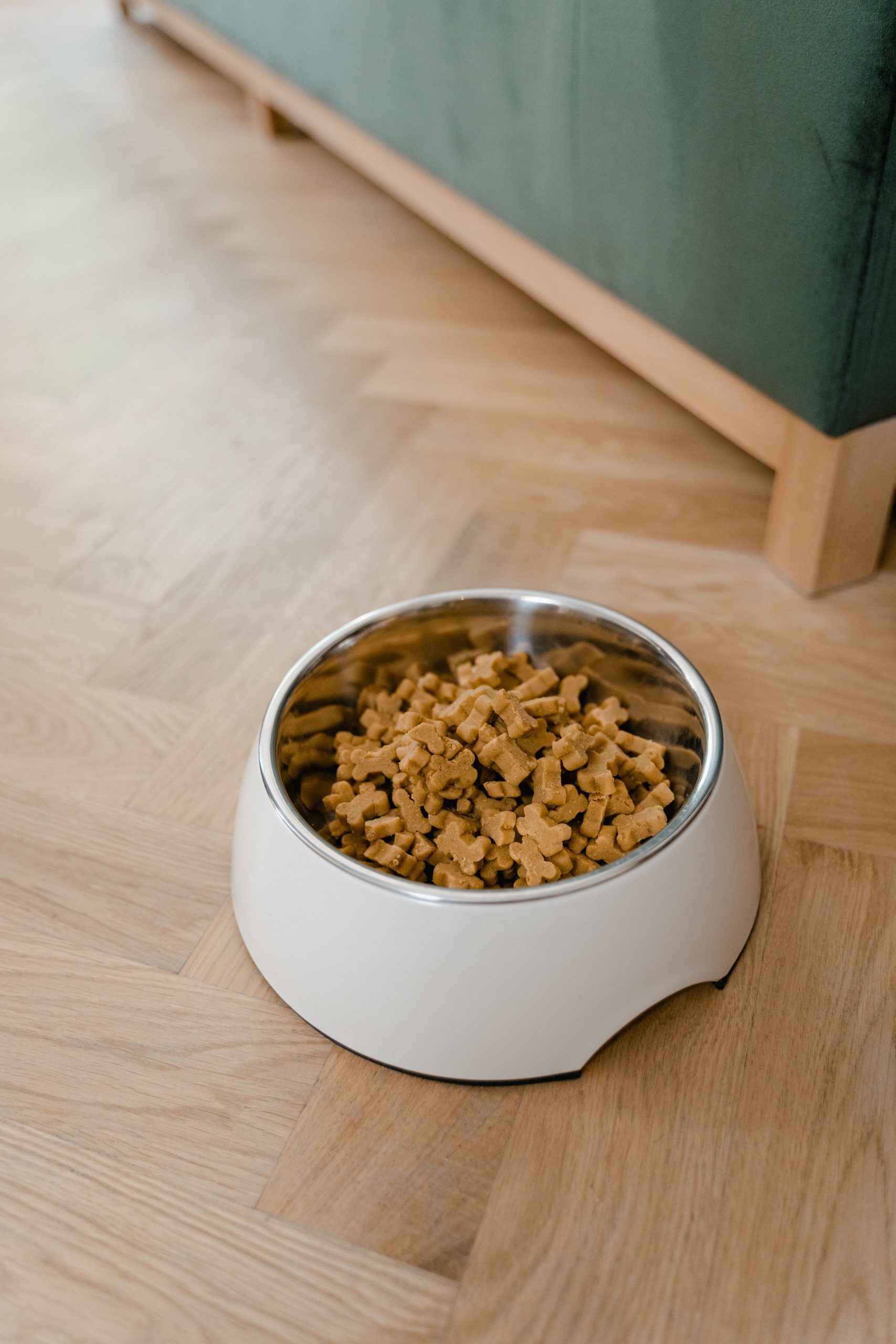
Maze depth and complexity should match your pet’s determination — a very mild pattern won’t slow down a truly fast eater, while an overly complex one can frustrate a pet into giving up on meals. For background on why slow feeding matters, the AVMA’s guidance on bloat risk in dogs is a useful independent reference regardless of which best slow feeder bowl you choose.
Material affects both cleaning and durability — stainless steel resists scratching and bacteria buildup better than plastic over the long run, though plastic slow feeders are generally more affordable and available in more intricate maze designs. Finally, size the bowl to your pet’s typical portion, since a slow feeder that’s too large for a small meal leaves food spread too thin to actually slow eating down.
Related Reads
If mealtime habits are a broader concern, see our picks in Best Automatic Pet Feeder: 5 Top Picks for Cats and Best Pet Water Fountain: 5 Top Picks for Cats and Dogs.
A Personal Note from Jordan
Working at the shelter, I’ve watched a lot of dogs come in with a habit of inhaling their food in under a minute, and it’s almost always the same story: the fastest eaters in a group up, or a stray who learned that food doesn’t stick around long. Switching them to the best slow feeder bowl we had on hand usually made a visible difference within the first week — less gulping, less regurgitating, and noticeably calmer mealtimes.
One thing I always tell new fosters and adopters: a slow feeder bowl only works if the maze pattern actually challenges your specific pet. I’ve seen determined dogs clear a mild pattern in under a minute, which defeats the purpose entirely. If your dog empties a slow feeder bowl just as fast as a regular one, size up to a deeper or more complex maze rather than assuming the whole idea doesn’t work for them.
For cats, I’m more cautious about recommending the same style of bowl we use for dogs. Cats are prone to whisker fatigue, so a deep, narrow maze can put them off eating altogether. A shallow, wide slow feeder bowl designed with cats in mind tends to get used far more consistently than a repurposed dog bowl.
My honest advice: introduce any new slow feeder bowl gradually, mixed in with a little of their regular bowl at first, so mealtime stays a positive experience instead of a frustrating one.
Frequently Asked Questions
Do all dogs need a slow feeder bowl?
Not necessarily — slow feeders are most useful for dogs who visibly gulp food quickly, especially deep-chested breeds at higher risk for bloat, but a dog who eats at a normal pace doesn’t strictly need one.
Are slow feeder bowls safe for wet food?
Most work best with dry kibble, since wet food can pool in the maze grooves and become harder to clean; check the specific product if you feed wet food regularly.
How much slower does eating actually get with a slow feeder?
Results vary by pet and maze complexity, but many owners report meals taking 2 to 5 times longer compared to a standard flat bowl.
Want to compare more options? See our full Multi-Pet Gear Buying Guide for every top pick in this category.
Sources & Expert References

About the Author
Jordan Lee
Jordan Lee handles product testing for ThePetGearList. Jordan shares a house with two dogs (a 60-lb mixed breed and a small terrier) and one cat, so gear gets tested across very different size and behavior needs before anything gets recommended. Before starting this site, Jordan worked at a mid-size animal shelter for five years, fitting harnesses and crates on hundreds of dogs of every size and temperament and seeing firsthand which gear held up to daily shelter use and which fell apart in a month. Every guide on this site is built the same way: buy or borrow the leading options in a category, run them for at least two weeks with real pets, and note the specific failure points — a harness buckle that cracked, a crate latch that a strong dog worked open, a feeder that clogged. The cheapest option that survives that test gets recommended first.