- Brushing Frequency by Coat Type
- Why Regular Brushing Matters
- Short Coats: Easy, But Not Zero Effort
- Double Coats: Focus on the Undercoat
- Long, Silky, and Curly Coats: Daily Is the Safe Bet
- Factors Beyond Coat Type
- A Simple Brushing Routine Dogs Learn to Like
- Signs You Need to Brush More Often
- A Practical Scenario: Two Very Different Dogs
- Shop This Guide
- Frequently Asked Questions
- Final Thoughts: How Often Should You Brush Your Dog?
- Free New Pet Owner Checklist
- Everything you need for your dog or cat's first weeks home — get the free printable checklist.
As an Amazon Associate, we earn from qualifying purchases linked in this post.
How often should you brush your dog? It depends mostly on coat type: short, smooth coats do well with a brush once a week, double coats need brushing two to four times a week and often daily in shedding season, and long or curly coats usually need brushing every day or every other day to prevent mats. Most dogs fall somewhere between “once a week” and “once a day,” and the right spot for your dog comes down to their coat, their lifestyle, and how much they shed.
Brushing is not only about looks. It removes loose hair and dirt, spreads natural skin oils, prevents painful tangles, and gives you a regular chance to spot lumps, ticks, or skin problems early. Below is a coat-by-coat guide, the right tools for each, and a simple routine that most dogs learn to enjoy.
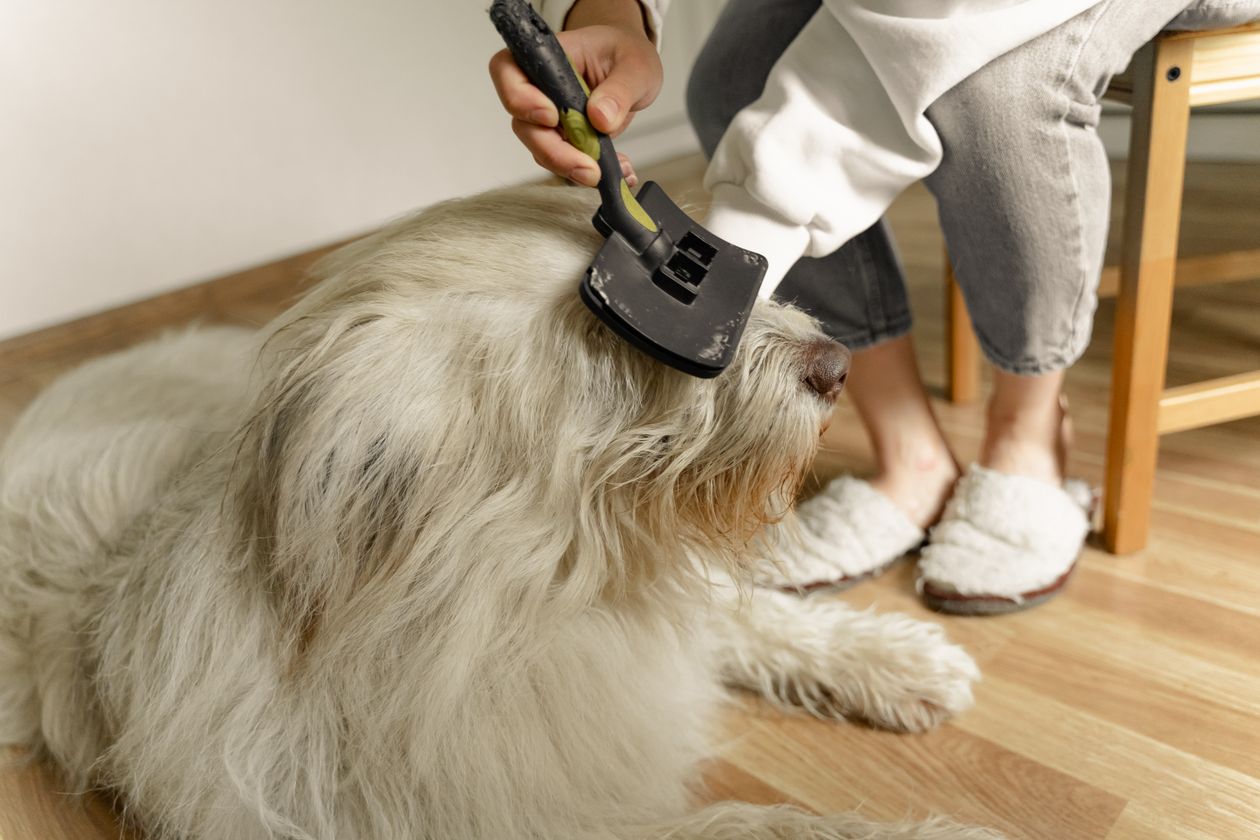
Brushing Frequency by Coat Type
The table below is the quickest way to answer how often should you brush your dog for the most common coat types.
| Coat Type | Example Breeds | How Often to Brush | Best Tools |
|---|---|---|---|
| Short and smooth | Beagle, Boxer, Labrador (outer coat) | Once a week | Rubber curry brush, bristle brush |
| Double coat | Husky, German Shepherd, Golden Retriever | 2–4 times a week; daily when shedding | Undercoat rake, slicker brush |
| Long and silky | Shih Tzu, Yorkshire Terrier, Maltese | Daily | Pin brush, wide- and fine-tooth comb |
| Curly or wavy | Poodle, Doodle mixes, Bichon Frise | Daily or every other day | Slicker brush, metal comb |
| Wire coat | Schnauzer, Wire Fox Terrier | Once or twice a week | Slicker brush, comb; periodic hand-stripping |
Why Regular Brushing Matters
The ASPCA’s dog grooming tips point out that regular brushing keeps the coat clean, reduces shedding, and helps you catch skin issues early. When dead hair stays in the coat, it can trap moisture and dirt against the skin, which may lead to irritation or hot spots. In long and curly coats, loose hair quickly twists into mats that pull on the skin and can only be removed by shaving.
Brushing also helps around the house. Every hair you catch in a brush is one that does not end up on the sofa. For heavy shedders, that alone can be the best reason to answer how often should you brush your dog with “more often than you are now.”
Short Coats: Easy, But Not Zero Effort
Dogs with short, smooth coats rarely mat, so many owners skip brushing entirely. That is a missed opportunity. A weekly session with a rubber curry brush lifts dead hair and dirt, and a soft bristle brush afterward brings out shine. It takes five minutes, and many short-coated dogs treat it like a massage. During spring and fall shedding, you may want to brush twice a week.
Double Coats: Focus on the Undercoat
Double-coated breeds have a soft, dense undercoat beneath a coarser outer layer. That undercoat sheds heavily, often “blowing” out in large clumps once or twice a year. For these dogs, how often should you brush your dog usually means two to four times a week normally and every day during a coat blow.
Use an undercoat rake to pull out loose fluff, then a slicker brush to smooth the outer coat. Work in sections and brush in the direction the hair grows. Avoid shaving double coats unless your vet advises it, since the undercoat helps regulate temperature.
Long, Silky, and Curly Coats: Daily Is the Safe Bet
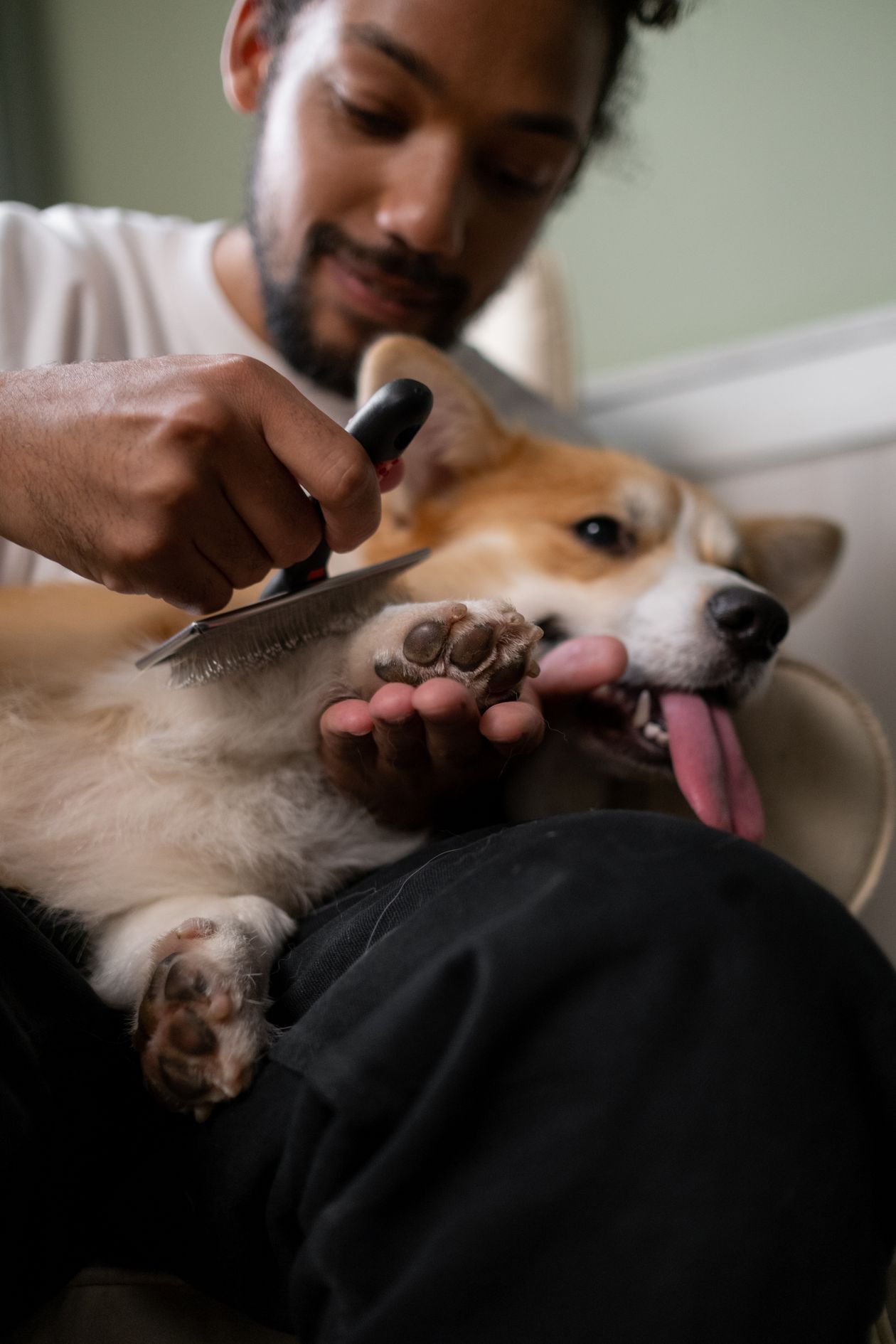
Long and curly coats tangle easily, especially behind the ears, under the legs, around the collar, and on the belly. Small tangles become tight mats within a few days if they are not brushed out. For these dogs, a short daily session is much easier than a long weekly battle.
A helpful technique is line brushing: part the hair with one hand and brush a small section down to the skin, then move the part line a little further along. Finish with a metal comb; if the comb glides through to the skin, you have done it right. Many owners also keep these coats in a shorter “puppy cut,” which reduces how often you need to brush without skipping it altogether.
Factors Beyond Coat Type
Coat type sets the baseline, but these factors also change how often should you brush your dog:
- Activity: dogs that hike, swim, or roll in grass collect burrs, sand, and debris, so brush after outdoor adventures.
- Season: most dogs shed more in spring and fall.
- Age: senior dogs may groom themselves less and have more sensitive skin, so use gentle tools and shorter sessions.
- Bathing schedule: always brush before a bath, since water tightens existing tangles. Our guide on how often you should bathe your dog explains how the two routines fit together.
A Simple Brushing Routine Dogs Learn to Like
- Pick a calm moment, such as after a walk when your dog is relaxed.
- Start with the easy areas like the back and sides before moving to legs, belly, and tail.
- Keep sessions short at first, even two or three minutes, and end before your dog gets restless.
- Be gentle with tangles. Hold the hair near the skin while you work out a knot so you do not pull.
- Check the skin for lumps, redness, fleas, or ticks as you go.
- Reward generously with praise or a small treat at the end.
The right tools make a big difference. If yours are worn out or not suited to your dog’s coat, our comparison of the best pet grooming brushes breaks down which brush works for which coat.
Signs You Need to Brush More Often
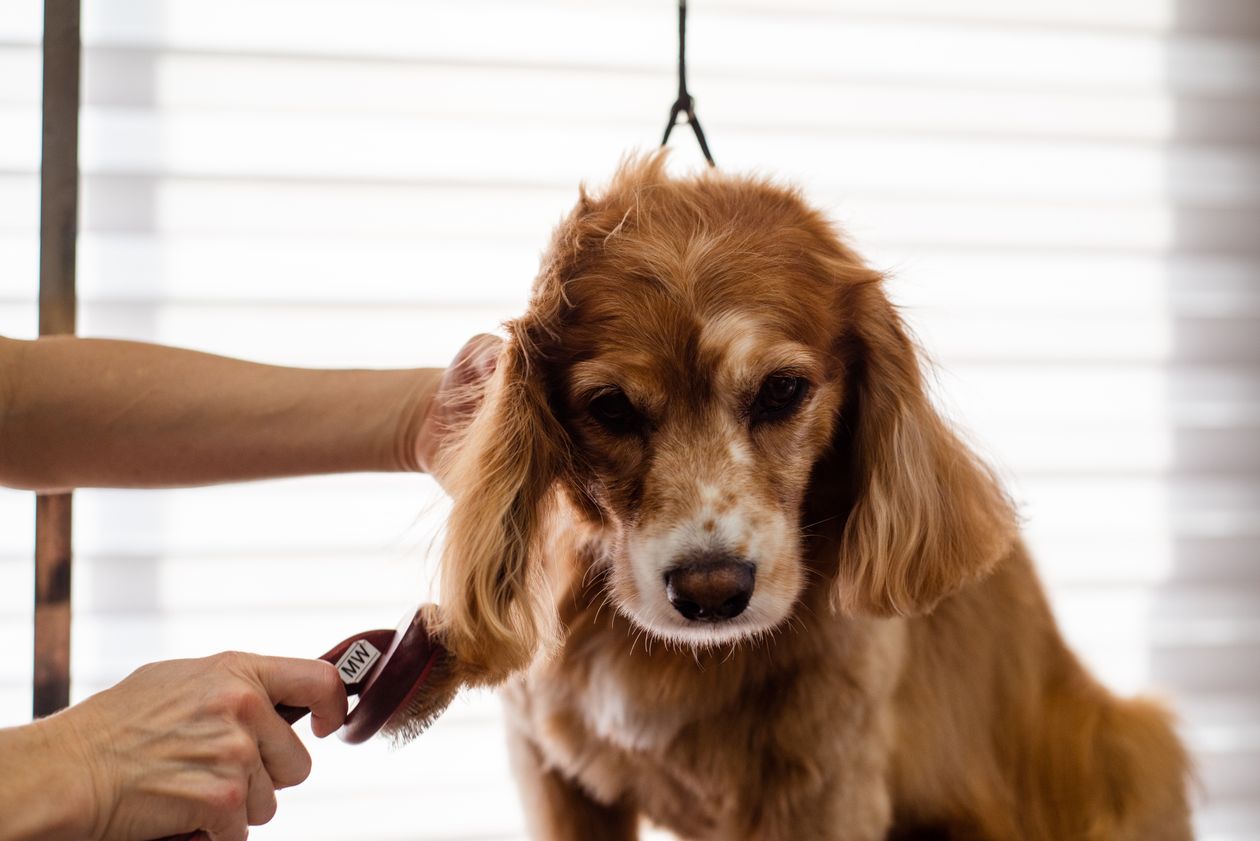
Your dog’s coat will tell you if the current schedule is not working. If you notice any of these, it is a good moment to revisit how often should you brush your dog:
- Small knots or clumps behind the ears, under the collar, or in the armpits
- Tufts of loose hair you can pull out easily by hand
- A dull, greasy, or flaky coat
- More scratching than usual, or a musty smell between baths
- Noticeably more fur on floors and furniture than a week ago
Adding one or two extra sessions a week usually fixes these problems quickly. If the skin looks red, broken, or scabby, check with your veterinarian before increasing brushing, since irritated skin needs a gentler approach.
A Practical Scenario: Two Very Different Dogs
Picture a household with a Beagle and a Goldendoodle. The Beagle’s short coat needs a weekly curry brush, plus an extra session during shedding season. The Goldendoodle’s curly coat is a different story: without daily or every-other-day brushing, mats form behind the ears and under the harness within a week. For this family, the honest answer to how often should you brush your dog is two separate schedules, and keeping the Doodle in a shorter trim makes the daily routine quicker.
Shop This Guide
If this gear makes sense for your pet, these links show current options and prices. Check sizing, materials, and reviews before you buy, and ask your vet if your pet has special needs.
Want our tested picks? Read our guide to the best pet grooming brush.
As an Amazon Associate, we earn from qualifying purchases at no extra cost to you.
Frequently Asked Questions
Can you brush a dog too much?
Brushing daily is fine for most dogs, as long as you use the right tool and a gentle hand. Pressing too hard with a slicker brush or rake can irritate the skin, so watch for redness.
How often should you brush your dog’s teeth?
That is a different routine, but veterinarians generally recommend brushing teeth daily, or at least several times a week, with a dog-safe toothpaste.
Should I brush my dog wet or dry?
Brush a dry coat before bathing to remove tangles. Some long coats benefit from a light conditioning spray to reduce breakage.
What if my dog hates being brushed?
Go back to very short sessions with lots of treats, and try a softer brush. A professional groomer can help if mats are already severe.
Does brushing reduce shedding?
It does not stop shedding, but it removes loose hair before it falls out around the home, which noticeably reduces fur on floors and furniture.
Final Thoughts: How Often Should You Brush Your Dog?
How often should you brush your dog? Once a week for short, smooth coats; two to four times a week for double coats, with daily sessions in shedding season; and daily or every other day for long, silky, or curly coats. Adjust for activity, season, and age, use the right tools, and keep sessions short and positive. A few minutes of brushing pays off in a healthier coat, earlier detection of skin problems, and a lot less hair on your furniture.
Sources & Expert References

About the Author
Jordan Lee
Jordan Lee handles product testing for ThePetGearList. Jordan shares a house with two dogs (a 60-lb mixed breed and a small terrier) and one cat, so gear gets tested across very different size and behavior needs before anything gets recommended. Before starting this site, Jordan worked at a mid-size animal shelter for five years, fitting harnesses and crates on hundreds of dogs of every size and temperament and seeing firsthand which gear held up to daily shelter use and which fell apart in a month. Every guide on this site is built the same way: buy or borrow the leading options in a category, run them for at least two weeks with real pets, and note the specific failure points — a harness buckle that cracked, a crate latch that a strong dog worked open, a feeder that clogged. The cheapest option that survives that test gets recommended first.