- At a Glance: Our Top 5 Pet Grooming Brushes
- How We Chose These Picks
- 1. FURminator deShedding Tool — Best Overall
- 2. Hertzko Self-Cleaning Slicker Brush — Best for Easy Cleanup
- 3. Kong ZoomGroom — Best Gentle Option
- 4. Safari Dog Dematting Comb — Best for Tangles
- 5. Bass Brushes Wire Pin Brush — Best All-Purpose
- Pet Grooming Brush Buying Guide: What Actually Matters
- Related Reads
- Frequently Asked Questions
- Free New Pet Owner Checklist
- Everything you need for your dog or cat's first weeks home — get the free printable checklist.
As an Amazon Associate, we earn from qualifying purchases linked in this post.
Finding the best pet grooming brush makes a real difference during shedding season, when a mismatched brush can leave you fighting mats and tangles while your furniture still ends up covered in fur. Different coat types genuinely need different tools — a brush that works wonders on a short-haired cat can be nearly useless on a double-coated dog. We compared shedding removal, comfort for the pet, and durability across the top 2026 grooming brushes to find the five worth keeping in your grooming kit.
At a Glance: Our Top 5 Pet Grooming Brushes
The short version: the FURminator deShedding Tool is our top overall pick and the best pet grooming brush for heavy shedders, the Hertzko Self-Cleaning Slicker Brush is the best pick for easy cleanup, the Kong ZoomGroom is the best gentle option for sensitive pets, the Safari Dematting Comb is the best pick for working out tangles, and the Bass Wire Pin Brush is the best all-purpose everyday brush.
How We Chose These Picks
Shedding removal effectiveness mattered most — the best pet grooming brush should pull loose undercoat without damaging the topcoat or irritating skin. We also weighed comfort during use (some pets tolerate grooming far better with certain bristle types), ease of cleaning the brush itself between sessions, and durability for regular, ongoing use.

1. FURminator deShedding Tool — Best Overall
Price: around $44.99
The FURminator’s stainless steel edge reaches through the topcoat to remove loose undercoat specifically, which is why it’s become the go-to recommendation for heavy-shedding breeds. A built-in skin guard and ejector button make it more comfortable to use and easier to clean than basic combs.
It’s pricier than standard brushes, but for genuine shedding control, it’s the best pet grooming brush on the market for most double-coated dogs.
2. Hertzko Self-Cleaning Slicker Brush — Best for Easy Cleanup
Price: around $19.99
This slicker brush’s retractable bristles let you clear out collected fur with the push of a button, which genuinely saves time and mess during frequent brushing sessions. It works well on both cats and dogs with medium to long coats.
The fine bristles can feel scratchy on very sensitive skin, so it’s worth introducing gradually with nervous pets.
3. Kong ZoomGroom — Best Gentle Option
Price: around $9.99
Made from soft, flexible rubber nubs rather than metal bristles, the ZoomGroom doubles as a massage tool while removing loose fur, which many pets genuinely enjoy rather than merely tolerate. It’s a strong pick for anxious pets or those with sensitive skin.
It removes less deep undercoat than the FURminator, so heavy shedders may still need a dedicated deshedding tool during peak season.
4. Safari Dog Dematting Comb — Best for Tangles
Price: around $12.99
This comb’s sharp, rounded-tip blades cut through mats and tangles without pulling on skin the way forcing a regular brush through a mat would. It’s a specialized tool worth having on hand for long-haired breeds prone to matting.
It’s not meant for daily brushing on unmatted coats, so it works best as a supplement to a regular grooming brush.
5. Bass Brushes Wire Pin Brush — Best All-Purpose
Price: around $18.99
This classic pin brush handles everyday brushing well across a range of coat types, with a cushioned base that flexes to follow your pet’s body contours comfortably. It’s a reliable daily-use option that doesn’t specialize in any one coat issue.
It won’t out-perform specialized tools for heavy shedding or serious matting, but as an everyday best pet grooming brush pick, it covers the basics reliably.
Pet Grooming Brush Buying Guide: What Actually Matters
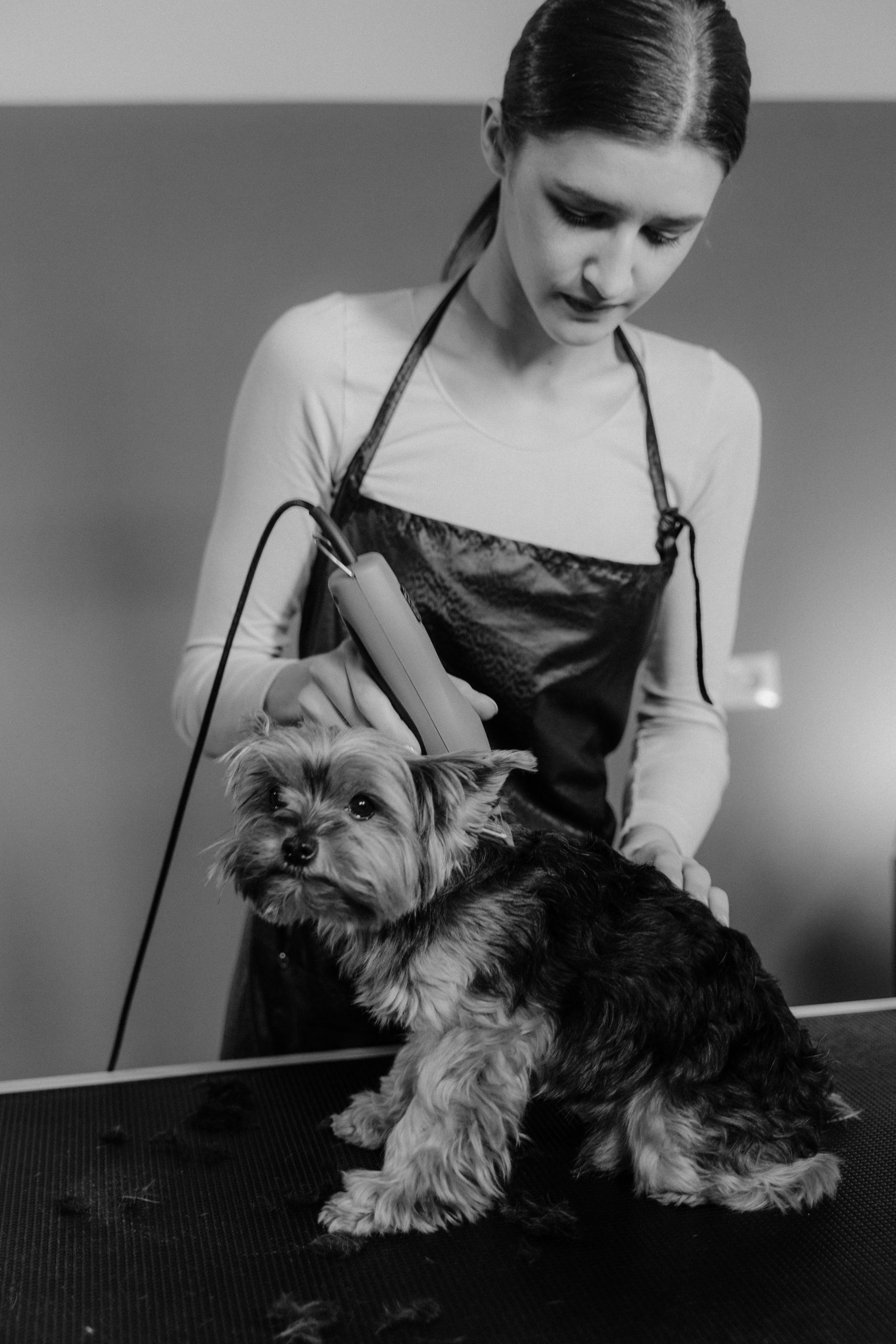
Coat type should drive your choice more than any other factor — double-coated breeds generally need a dedicated deshedding tool, while short-haired cats and dogs often do well with a gentler rubber or bristle brush. The ASPCA’s grooming guidance is a useful independent reference for coat-specific grooming basics regardless of which best pet grooming brush you pick.
Frequency matters as much as the tool itself — regular brushing, even just a few minutes several times a week, prevents the mats and tangles that make grooming sessions unpleasant for both of you. Finally, introduce any new brush gradually with treats and short sessions, since a pet’s first negative experience with a grooming tool can make future sessions harder.
Related Reads
If shedding is a bigger household concern, see our picks in Best Dog Bed: 5 Top Picks for Every Size Dog and Best Cat Tree: 5 Top Picks for Indoor Cats.
Frequently Asked Questions
How often should I brush my pet?
Most pets benefit from brushing 2 to 3 times a week, though heavy shedders or long-haired breeds often do better with daily brushing, especially during seasonal shedding periods.
Can I use a dog brush on a cat, or vice versa?
Many brushes work for both, but always check coat-type recommendations first, since some deshedding tools are too harsh for a cat’s more delicate skin.
Will brushing actually reduce shedding around the house?
Yes — regular brushing removes loose fur before it falls out on its own, which noticeably cuts down on the fur that ends up on furniture and floors.
Want to compare more options? See our full Multi-Pet Gear Buying Guide for every top pick in this category.
Sources & Expert References

About the Author
Jordan Lee
Jordan Lee handles product testing for ThePetGearList. Jordan shares a house with two dogs (a 60-lb mixed breed and a small terrier) and one cat, so gear gets tested across very different size and behavior needs before anything gets recommended. Before starting this site, Jordan worked at a mid-size animal shelter for five years, fitting harnesses and crates on hundreds of dogs of every size and temperament and seeing firsthand which gear held up to daily shelter use and which fell apart in a month. Every guide on this site is built the same way: buy or borrow the leading options in a category, run them for at least two weeks with real pets, and note the specific failure points — a harness buckle that cracked, a crate latch that a strong dog worked open, a feeder that clogged. The cheapest option that survives that test gets recommended first.