- Coat Type Matters More Than You’d Think
- Signs Your Dog Needs a Bath Sooner
- When to Bathe Less Often
- Shop This Guide
- Frequently Asked Questions
- Bottom Line: How Often Should You Bathe Your Dog?
- Building a Simple Bathing Routine
- Products That Make Bath Time Easier
- Free New Pet Owner Checklist
- Everything you need for your dog or cat's first weeks home — get the free printable checklist.
As an Amazon Associate, we earn from qualifying purchases linked in this post.
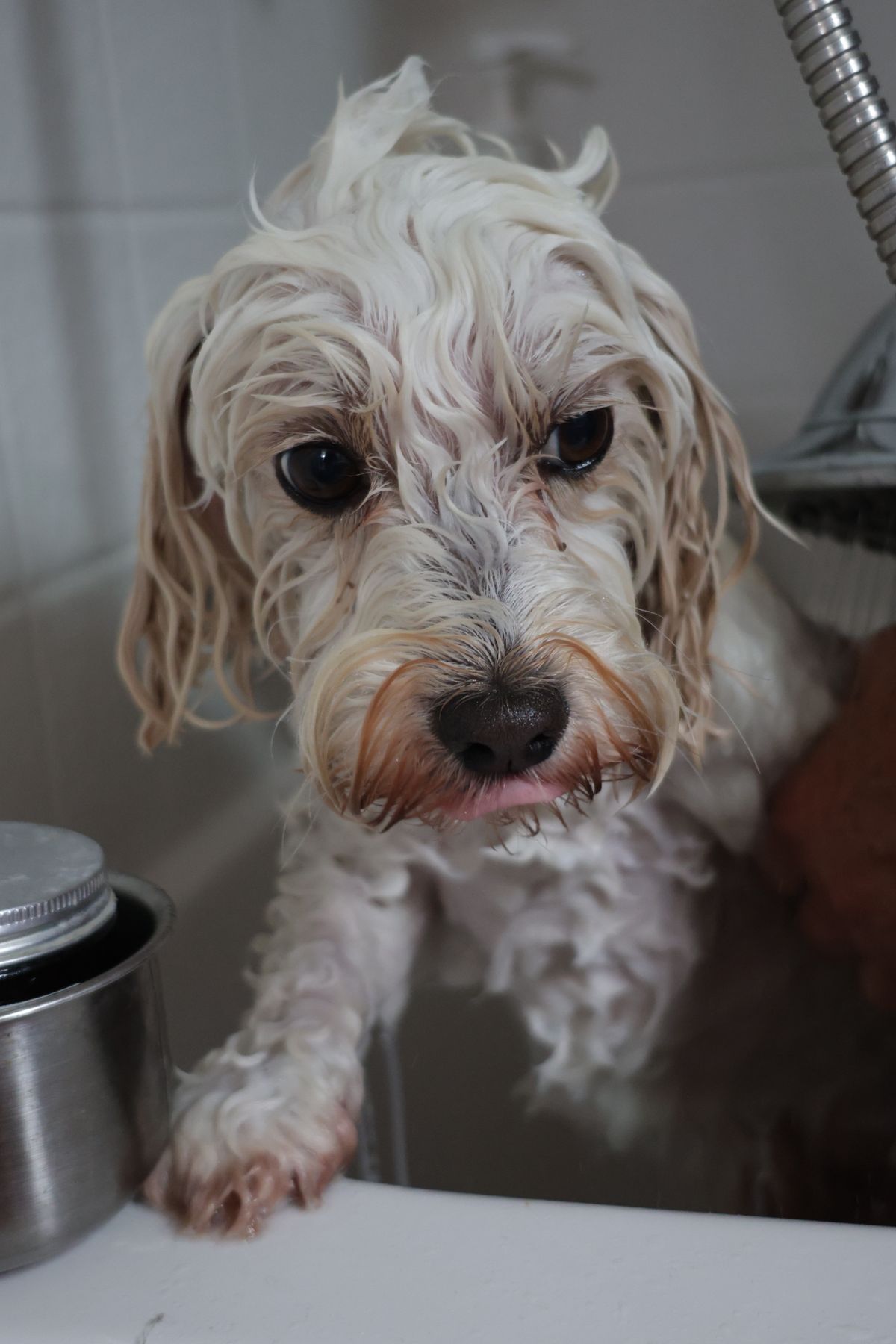
How often should you bathe your dog? For most dogs, once every 4-6 weeks is the right baseline — frequent enough to control odor and shedding without stripping the natural oils that keep skin and coat healthy. Dogs with skin conditions or heavy outdoor activity may need it more often; short-haired breeds with no skin issues can often go longer.
There’s no single universal number, because coat type, activity level, and any underlying skin conditions all shift the honest answer in different directions.
Coat Type Matters More Than You’d Think
Double-coated breeds like Huskies and Golden Retrievers generally need bathing less often — every 6-8 weeks — since over-bathing can disrupt the coat’s natural water resistance. Short, smooth coats like Beagles or Boxers tolerate more frequent washing, often every 3-4 weeks, without the same risk.
Signs Your Dog Needs a Bath Sooner
A noticeable odor, visibly dirty or oily fur, or a recent roll in something unpleasant are all reasonable triggers to bathe outside your usual schedule. For more detailed general care guidance, the ASPCA’s dog care resources are a solid reference.
When to Bathe Less Often
Dogs with dry skin, allergies, or eczema-like conditions often do better with longer gaps between baths, sometimes 6-8 weeks, paired with a vet-recommended moisturizing shampoo when they do get washed.
Shop This Guide
If this gear makes sense for your pet, these links show current options and prices. Check sizing, materials, and reviews before you buy, and ask your vet if your pet has special needs.
As an Amazon Associate, we earn from qualifying purchases at no extra cost to you.
Frequently Asked Questions
Can you bathe a dog too often?
Yes — bathing more than once a week without a medical reason can strip natural oils and cause dry, flaky skin, which is why how often should you bathe your dog really depends on more than just convenience.
Do puppies need baths on a different schedule?
Puppies generally need baths less often than adults, roughly every 4-6 weeks once they’re old enough, since their skin is more sensitive to frequent washing.
Bottom Line: How Often Should You Bathe Your Dog?
To sum up how often should you bathe your dog: aim for every 4-6 weeks as a starting point, adjusting up for active or oily-coated dogs and down for dogs with sensitive or dry skin.
Building a Simple Bathing Routine
Keeping a dedicated dog shampoo, a non-slip mat for the tub, and a couple of towels within reach makes bath time faster and less stressful for both of you. A lukewarm water temperature is generally more comfortable for dogs than the hot water many people default to for themselves.
Brushing before a bath also matters more than most owners realize — removing loose fur and mats beforehand means shampoo and water reach the skin more evenly, and the whole process takes noticeably less time. If your dog also chews through toys quickly, our toy safety guide covers a similarly practical wear-and-tear routine.
Does the season change bathing frequency?
Slightly — dogs that swim often in summer or get muddy more in winter may need occasional extra baths outside your regular schedule, though the core routine stays the same year-round.
Products That Make Bath Time Easier
A handheld sprayer attachment, a rubber grooming glove for working shampoo through thick coats, and a few treats for positive reinforcement can turn a stressful bath into a manageable routine. Drying is worth planning for too — a high-velocity pet dryer cuts drying time significantly compared to towels alone, which matters most for double-coated breeds prone to holding moisture near the skin.
Keeping ears dry during the process, using cotton balls loosely placed at the ear opening, also helps prevent the ear infections that can follow a bath if water gets trapped inside.
One more practical note: keep a bath log or rough mental note of the last wash date, since it’s easy to lose track over busy weeks and drift into bathing far less often than intended, especially with lower-shedding breeds that don’t show dirt as visibly.
Sources & Expert References

About the Author
Jordan Lee
Jordan Lee handles product testing for ThePetGearList. Jordan shares a house with two dogs (a 60-lb mixed breed and a small terrier) and one cat, so gear gets tested across very different size and behavior needs before anything gets recommended. Before starting this site, Jordan worked at a mid-size animal shelter for five years, fitting harnesses and crates on hundreds of dogs of every size and temperament and seeing firsthand which gear held up to daily shelter use and which fell apart in a month. Every guide on this site is built the same way: buy or borrow the leading options in a category, run them for at least two weeks with real pets, and note the specific failure points — a harness buckle that cracked, a crate latch that a strong dog worked open, a feeder that clogged. The cheapest option that survives that test gets recommended first.