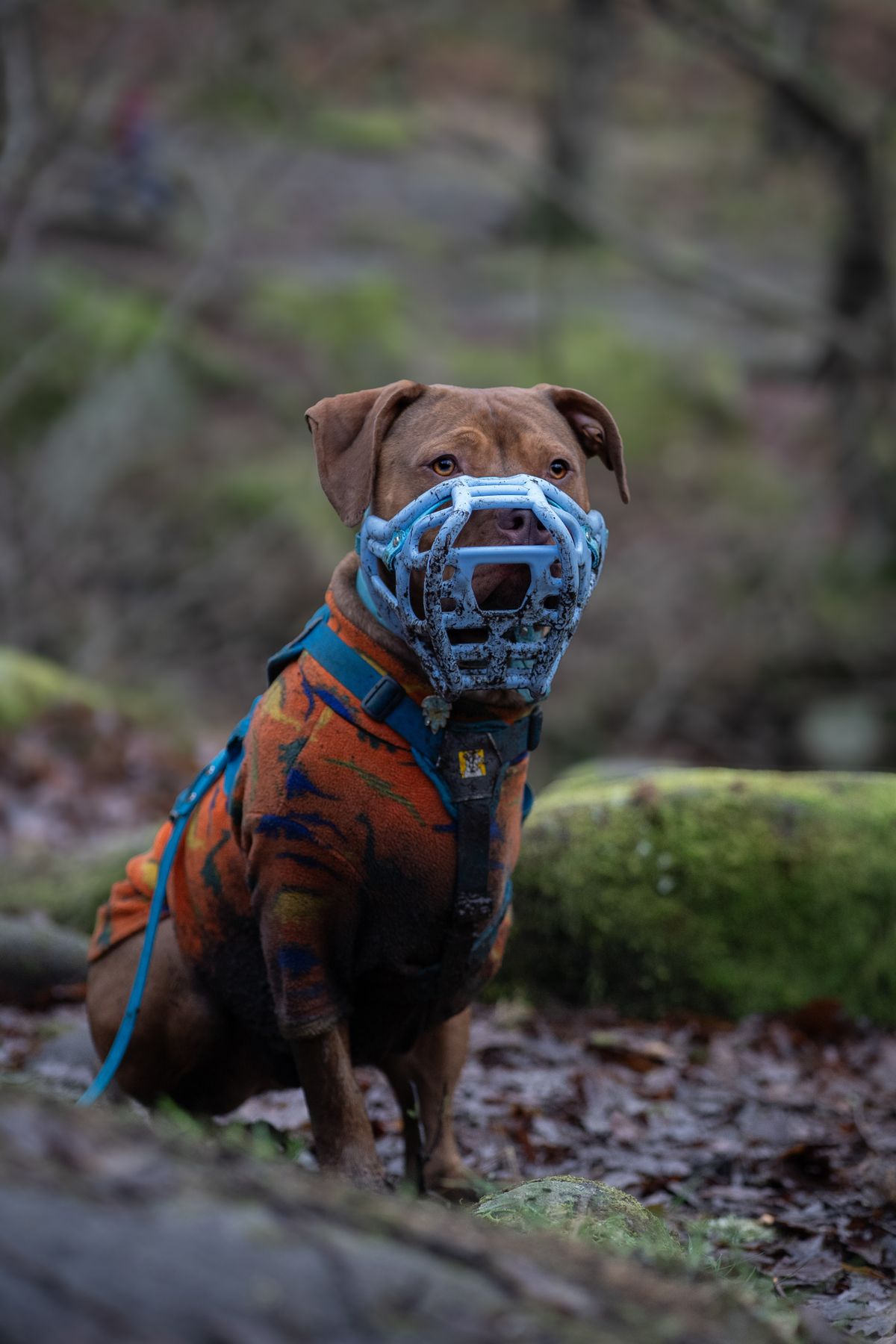
- When a Muzzle Actually Makes Sense
- Basket vs. Sleeve Muzzles
- Introducing a Muzzle Without Trauma
- Shop This Guide
- Frequently Asked Questions
- Bottom Line: Do You Need a Muzzle for a Reactive Dog?
- Building Positive Muzzle Associations
- Muzzle Fit Matters as Much as Type
- Free New Pet Owner Checklist
- Everything you need for your dog or cat's first weeks home — get the free printable checklist.
As an Amazon Associate, we earn from qualifying purchases linked in this post.
Do you need a muzzle for a reactive dog? If your dog has bitten, snapped, or shows escalating aggression toward people or other animals, yes — a well-fitted basket muzzle is one of the most effective management tools available while you work on training. It’s not a punishment; it’s a safety net.
A muzzle doesn’t replace training, but it buys safety during the process, which is exactly why so many trainers recommend one for genuinely reactive dogs rather than treating it as a last resort.
When a Muzzle Actually Makes Sense
Vet visits, grooming appointments, crowded public spaces, or any situation where a bite risk exists are all reasonable times to use one. If your dog has a bite history, this is less a question of do you need a muzzle for a reactive dog and more a question of which style fits best.
Basket vs. Sleeve Muzzles
Basket muzzles allow panting, drinking, and treat-taking, making them far more humane for extended wear than fabric sleeve muzzles, which should only be used briefly. For genuinely reactive dogs, a basket style is almost always the better long-term choice.
Introducing a Muzzle Without Trauma
Muzzle conditioning — pairing the muzzle with treats over days or weeks before ever needing it in a real situation — makes a huge difference in how a dog tolerates it. Rushing this step is the most common reason muzzles get a bad reputation. For broader behavior guidance, the ASPCA’s dog care resources cover reactive dog management in more depth.
Shop This Guide
If this gear makes sense for your pet, these links show current options and prices. Check sizing, materials, and reviews before you buy, and ask your vet if your pet has special needs.
As an Amazon Associate, we earn from qualifying purchases at no extra cost to you.
Frequently Asked Questions
Does using a muzzle mean my dog is dangerous?
No — plenty of well-managed, otherwise friendly dogs wear muzzles in specific situations, so do you need a muzzle for a reactive dog isn’t really a judgment about the dog, just a practical safety decision.
How long can a dog safely wear a basket muzzle?
A properly fitted basket muzzle can be worn for extended periods since it allows panting and drinking, though most owners still remove it once the triggering situation has passed.
Bottom Line: Do You Need a Muzzle for a Reactive Dog?
To sum up do you need a muzzle for a reactive dog: if there’s any bite risk in specific situations, yes, and a basket-style muzzle introduced gradually with positive conditioning is the safest, most humane option.
Building Positive Muzzle Associations
Start by letting your dog sniff the muzzle and take treats near it before ever putting it on, then gradually work up to brief, treat-filled wear in low-stress settings at home. Rushing straight to public use without this groundwork is the most common reason muzzle training fails.
Consistency matters more than speed here — a few short, positive sessions per week over several weeks builds far more comfort than one long forced session. If your dog is also prone to escaping during stressful moments, our GPS tracker guide covers a related safety tool worth considering.
Should I consult a trainer before starting muzzle work?
For dogs with a serious bite history, working alongside a certified trainer or veterinary behaviorist is strongly recommended rather than handling muzzle introduction entirely alone.
Muzzle Fit Matters as Much as Type
A muzzle that’s too tight can cause chafing, while one that’s too loose may allow a dog to remove it or still make contact. Measuring your dog’s snout length and width before ordering, and checking for adequate room to pant comfortably, prevents most fit-related problems before they start.
Many basket muzzles include adjustable straps at both the snout and behind the ears, and taking the time to get both adjustments right makes the difference between a tool your dog tolerates and one they fight constantly.
One more practical note: pack a few high-value treats in your bag whenever you expect your dog to wear the muzzle in public, so you can keep reinforcing calm behavior throughout the outing rather than only during initial training sessions at home.
Sources & Expert References

About the Author
Jordan Lee
Jordan Lee handles product testing for ThePetGearList. Jordan shares a house with two dogs (a 60-lb mixed breed and a small terrier) and one cat, so gear gets tested across very different size and behavior needs before anything gets recommended. Before starting this site, Jordan worked at a mid-size animal shelter for five years, fitting harnesses and crates on hundreds of dogs of every size and temperament and seeing firsthand which gear held up to daily shelter use and which fell apart in a month. Every guide on this site is built the same way: buy or borrow the leading options in a category, run them for at least two weeks with real pets, and note the specific failure points — a harness buckle that cracked, a crate latch that a strong dog worked open, a feeder that clogged. The cheapest option that survives that test gets recommended first.