- Dogs That Benefit Most
- How the Devices Actually Work
- What a Tracker Doesn’t Replace
- Shop This Guide
- Frequently Asked Questions
- Bottom Line: Do You Need a GPS Tracker for Your Dog?
- Setting Up Geofencing Alerts
- Battery Life and Charging Realities
- Free New Pet Owner Checklist
- Everything you need for your dog or cat's first weeks home — get the free printable checklist.
As an Amazon Associate, we earn from qualifying purchases linked in this post.
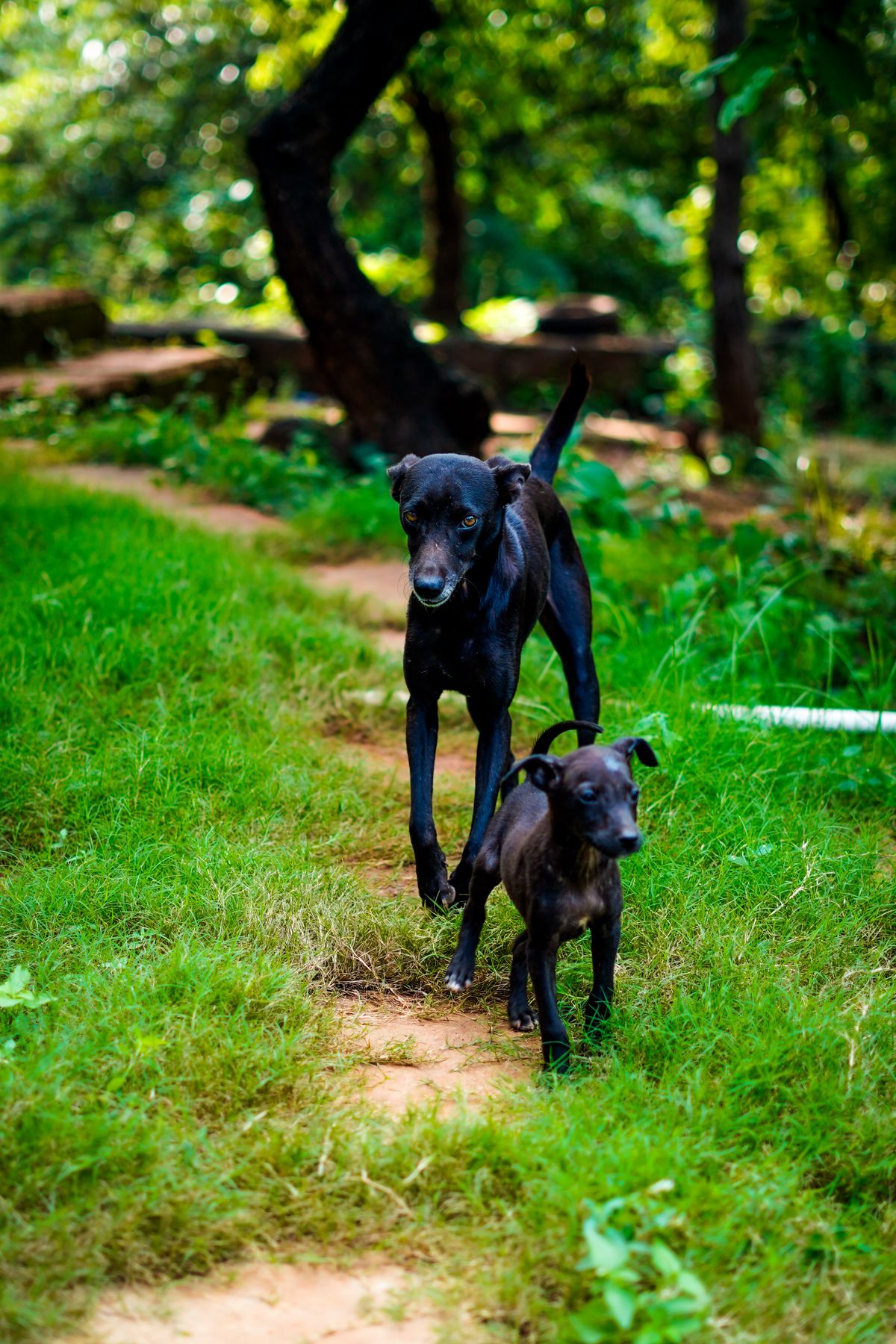
Do you need a GPS tracker for your dog? Not every dog needs one, but escape-prone dogs, frequent hikers, or dogs in unfenced yards benefit significantly — a tracker can turn a stressful search into a quick retrieval. For a well-contained dog that rarely leaves supervised areas, the case is much weaker.
The technology has improved enough that this is now a genuinely useful safety tool rather than a novelty gadget for most escape-risk situations.
Dogs That Benefit Most
Breeds known for wandering (like Huskies or Beagles), dogs with a history of bolting, and dogs who hike off-leash are the clearest cases where do you need a gps tracker for your dog leans strongly toward yes.
How the Devices Actually Work
Most trackers use a combination of GPS and cellular data, attaching to a collar and pairing with a phone app for real-time location and sometimes activity monitoring. Battery life and cellular coverage in your area are worth checking before buying.
What a Tracker Doesn’t Replace
A tracker helps you find a dog after they’ve escaped — it doesn’t prevent escape in the first place, so secure fencing and good recall training still matter more. Check the ASPCA’s dog care resources for broader safety guidance.
Shop This Guide
If this gear makes sense for your pet, these links show current options and prices. Check sizing, materials, and reviews before you buy, and ask your vet if your pet has special needs.
As an Amazon Associate, we earn from qualifying purchases at no extra cost to you.
Frequently Asked Questions
Do GPS trackers require a monthly subscription?
Most do, since they rely on cellular data, which is a recurring cost worth factoring in in addition to the device price itself.
Are GPS trackers accurate in rural areas with less cell coverage?
Accuracy can drop where cellular signal is weak, so do you need a gps tracker for your dog is worth reconsidering if you live somewhere with spotty coverage — some models fall back to Bluetooth or radio for those cases.
Bottom Line: Do You Need a GPS Tracker for Your Dog?
To sum up do you need a gps tracker for your dog: yes if your dog is escape-prone or frequently off-leash, less critical for well-contained, closely supervised dogs.
Setting Up Geofencing Alerts
Most tracker apps let you draw a virtual boundary around your yard or a specific area, sending an immediate alert the moment your dog crosses it — often the single most useful feature for escape-prone dogs. This can mean the difference between catching an escape in seconds versus discovering it hours later.
Dogs that escape due to fear or reactivity sometimes need broader management too — our reactive dog guide covers a related safety consideration.
Do trackers work well for cats too?
Many brands now make cat-specific trackers with lighter designs, though battery life tends to be shorter given the smaller collar size cats require.
Battery Life and Charging Realities
Real-world battery life is often shorter than advertised, especially with frequent location pings enabled, so checking user reviews for actual day-to-day performance is more reliable than manufacturer specs alone. Charging docks that attach directly to the collar tend to be more convenient than needing to remove the entire unit.
Waterproofing ratings also vary significantly between models, which matters more for dogs that swim regularly or live in wet climates.
One more practical note: test the tracker’s range and alert reliability in your own yard before fully relying on it, since real-world performance can vary meaningfully from advertised specs depending on local terrain and obstructions.
Sources & Expert References

About the Author
Jordan Lee
Jordan Lee handles product testing for ThePetGearList. Jordan shares a house with two dogs (a 60-lb mixed breed and a small terrier) and one cat, so gear gets tested across very different size and behavior needs before anything gets recommended. Before starting this site, Jordan worked at a mid-size animal shelter for five years, fitting harnesses and crates on hundreds of dogs of every size and temperament and seeing firsthand which gear held up to daily shelter use and which fell apart in a month. Every guide on this site is built the same way: buy or borrow the leading options in a category, run them for at least two weeks with real pets, and note the specific failure points — a harness buckle that cracked, a crate latch that a strong dog worked open, a feeder that clogged. The cheapest option that survives that test gets recommended first.