- Why Raised Bowls Fell Out of Favor
- When a Raised Bowl Still Helps
- What to Use Instead for Most Dogs
- Shop This Guide
- Frequently Asked Questions
- Bottom Line: Do You Need a Raised Feeder Bowl for Dogs?
- What Changed in the Research
- Reading Your Dog’s Eating Posture
- Free New Pet Owner Checklist
- Everything you need for your dog or cat's first weeks home — get the free printable checklist.
As an Amazon Associate, we earn from qualifying purchases linked in this post.
Do you need a raised feeder bowl for dogs? For most healthy dogs, no — recent research has actually linked elevated bowls to a higher risk of bloat in large, deep-chested breeds, reversing older advice. The exception is dogs with specific mobility issues, like arthritis or neck problems, where a raised bowl can genuinely help.
This is a case where conventional wisdom has shifted, so the honest answer today looks different than it might have a decade ago.
Why Raised Bowls Fell Out of Favor
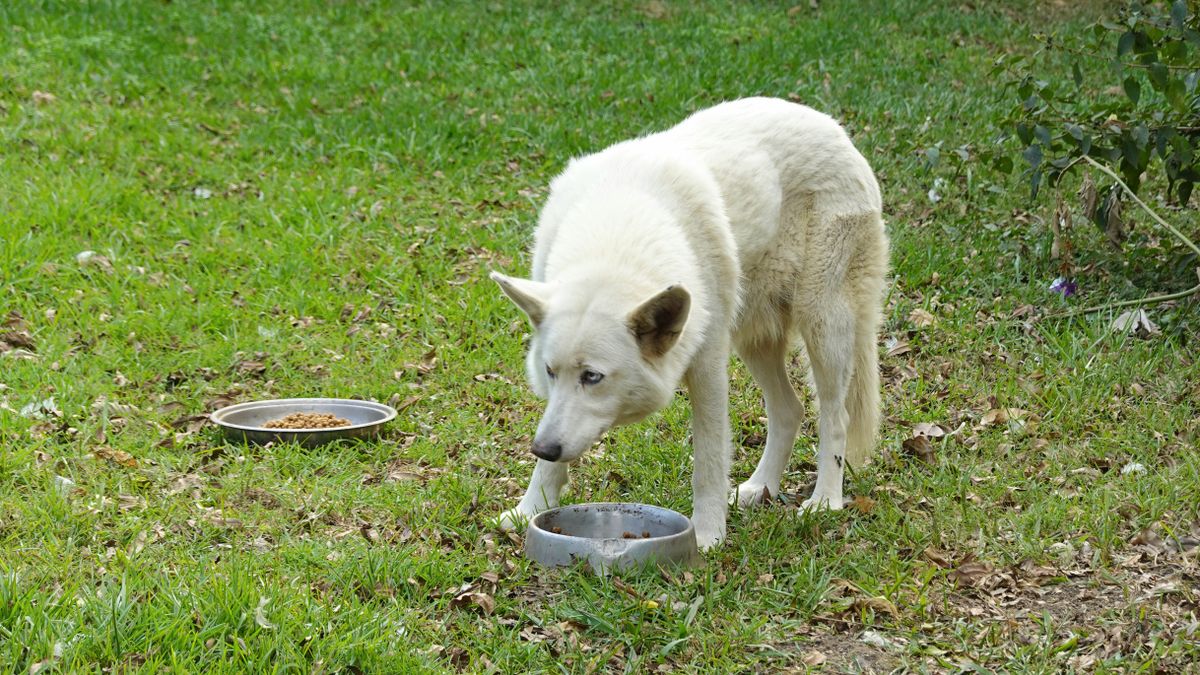
Studies on large and giant breeds, including Great Danes, found elevated feeding associated with increased bloat risk rather than reduced risk as once believed. For these breeds specifically, do you need a raised feeder bowl for dogs now leans toward no for otherwise healthy animals.
When a Raised Bowl Still Helps
Senior dogs with arthritis, dogs recovering from neck or spine surgery, or dogs with megaesophagus can genuinely benefit from an elevated feeding angle, often on a vet’s specific recommendation.
What to Use Instead for Most Dogs
A standard floor-level bowl, paired with slow-feeder inserts if your dog eats too fast, covers the needs of most healthy dogs without introducing bloat risk. Check the ASPCA’s dog care resources for more on safe feeding practices.
Shop This Guide
If this gear makes sense for your pet, these links show current options and prices. Check sizing, materials, and reviews before you buy, and ask your vet if your pet has special needs.
Want our tested picks? Read our guide to the best elevated dog bowl.
As an Amazon Associate, we earn from qualifying purchases at no extra cost to you.
Frequently Asked Questions
Are raised bowls fine for small dogs?
Small and toy breeds weren’t part of the bloat-risk studies in the same way, so do you need a raised feeder bowl for dogs is less of a concern for them, though there’s still limited clear benefit either way.
Should I switch away from a raised bowl I already own?
If your dog is a large or giant breed without a specific medical need, switching to a standard floor bowl is a reasonable, low-cost precaution.
Bottom Line: Do You Need a Raised Feeder Bowl for Dogs?
To sum up do you need a raised feeder bowl for dogs: for most healthy dogs, no, with raised bowls reserved for specific medical situations under veterinary guidance.
What Changed in the Research
Earlier veterinary advice often recommended raised bowls specifically to reduce bloat risk, based on smaller or less controlled studies. Larger, more recent studies reversed that association for deep-chested breeds, which is why current guidance looks different from what many owners were told years ago.
If your dog doesn’t have a specific mobility condition, a standard floor bowl remains the simpler, lower-risk default. For dogs dealing with anxiety alongside any mobility issues, our weighted blanket guide covers another calming option worth considering.
Should I ask my vet before choosing a feeding setup?
Yes, especially for large or giant breeds, or any dog with a diagnosed neck, spine, or esophageal condition, since individual circumstances can outweigh general guidance.
Reading Your Dog’s Eating Posture
Watching how your dog naturally positions themselves at a standard bowl can reveal whether an elevated setup is actually needed. Dogs that visibly strain their neck or show reluctance to lower their head fully may benefit from a slight incline rather than a full elevation, which is a middle-ground option some owners overlook.
A vet or physical therapist familiar with canine mobility can offer a more precise recommendation than general guidance alone, especially for dogs recovering from injury or surgery.
One more practical note: if you switch feeding setups, do it gradually over a few days rather than all at once, since sudden changes to a dog’s eating position and posture can sometimes cause temporary hesitation around mealtime.
Sources & Expert References

About the Author
Jordan Lee
Jordan Lee handles product testing for ThePetGearList. Jordan shares a house with two dogs (a 60-lb mixed breed and a small terrier) and one cat, so gear gets tested across very different size and behavior needs before anything gets recommended. Before starting this site, Jordan worked at a mid-size animal shelter for five years, fitting harnesses and crates on hundreds of dogs of every size and temperament and seeing firsthand which gear held up to daily shelter use and which fell apart in a month. Every guide on this site is built the same way: buy or borrow the leading options in a category, run them for at least two weeks with real pets, and note the specific failure points — a harness buckle that cracked, a crate latch that a strong dog worked open, a feeder that clogged. The cheapest option that survives that test gets recommended first.