- What to Look for in the Best Elevated Dog Bowl
- Our Top 5 Best Elevated Dog Bowl Picks
- Frisco Adjustable Diner
- PetFusion Ergo Elevated Feeder
- Neater Feeder Deluxe
- IRIS Elevated Wire Frame Feeder
- Vantic Elevated Dog Bowls
- A Personal Note on Elevated Dog Bowls
- Choosing the Right Height for Your Dog’s Size
- Frequently Asked Questions About the Best Elevated Dog Bowl
- Final Verdict on the Best Elevated Dog Bowl
- Free New Pet Owner Checklist
- Everything you need for your dog or cat's first weeks home — get the free printable checklist.
As an Amazon Associate, we earn from qualifying purchases linked in this post.
A bowl set too low on the floor can make eating uncomfortable for large or senior dogs, and it’s one of the easiest fixes in this whole site’s gear lineup. The best elevated dog bowl raises food and water to a more natural neck angle, which can help with posture during meals and slower, less messy drinking. We compared five popular elevated dog bowls for stability, adjustability, and how easy they are to clean.
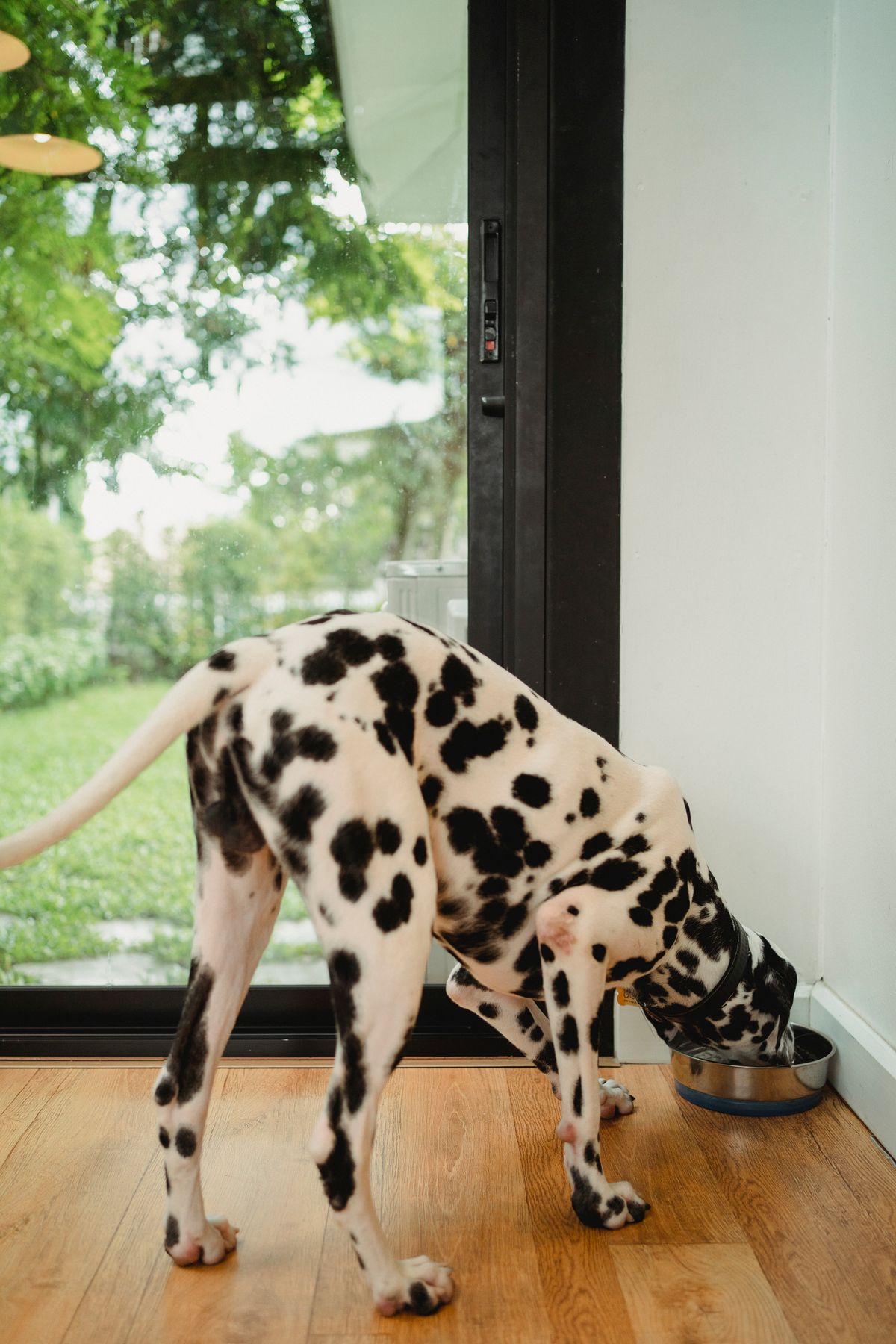
What to Look for in the Best Elevated Dog Bowl
Raised feeders range from a simple fixed stand to fully adjustable systems, so a few things are worth checking first:
- Height adjustability — growing puppies and multi-dog households benefit from stands with multiple height settings rather than one fixed level.
- Bowl material — stainless steel bowls resist bacteria buildup better than plastic and don’t hold odors as much.
- Stand stability — a wide base or weighted stand prevents tipping from an enthusiastic eater, especially with larger dogs.
- Non-slip feet — rubber or silicone feet keep the stand from sliding on hardwood or tile floors.
- Easy-clean bowls — removable, dishwasher-safe bowls save a lot of hand-washing over a stand with bowls built into the frame.
Our Top 5 Best Elevated Dog Bowl Picks
| Elevated Bowl | Price Range | Adjustable | Best For | Rating |
|---|---|---|---|---|
| Frisco Adjustable Diner | $$ | Yes, 4 heights | Growing puppies | 4.7/5 |
| PetFusion Ergo Elevated Feeder | $$ | No, fixed height | Wood-finish stability | 4.6/5 |
| Neater Feeder Deluxe | $$$ | No, fixed height | Catching spills and mess | 4.5/5 |
| IRIS Elevated Wire Frame Feeder | $ | No, fixed height | Budget stainless steel | 4.4/5 |
| Vantic Elevated Dog Bowls | $$ | Yes, 3 heights | Multi-dog adjustability | 4.5/5 |
Frisco Adjustable Diner
Four height settings mean it grows with a puppy from floor level to full adult height, so you’re not rebuying a stand every few months.
PetFusion Ergo Elevated Feeder
A solid wood-look stand with a wide, stable base and stainless steel bowls — a good middle-ground pick if adjustability isn’t a priority.
Neater Feeder Deluxe
Built with a spill-catching lower tray, this is the best pick for dogs who splash water everywhere or push bowls around while eating.
IRIS Elevated Wire Frame Feeder
A simple, inexpensive wire stand with stainless steel bowls — no frills, but it covers the basics well for smaller dogs.
Vantic Elevated Dog Bowls
Three height settings and a slip-resistant base, aimed at multi-dog households where different dogs need different heights.
A Personal Note on Elevated Dog Bowls
At the shelter, elevated bowls come up most often for senior dogs with arthritis or neck stiffness — the height change genuinely seems to make mealtime more comfortable for them. That said, there’s ongoing debate among vets about elevated bowls and bloat risk in large, deep-chested breeds, so it’s worth a quick conversation with your vet before switching a large breed dog to a raised feeder.
Choosing the Right Height for Your Dog’s Size
Small dogs and cats generally do best with a bowl height of 4-6 inches, medium dogs around 8-10 inches, and large breeds like Labradors or Shepherds closer to 12-16 inches. If you’re shopping for a best elevated dog bowl and your dog is still growing, an adjustable stand is worth the extra cost since it saves you from buying a second one in six months.
Deep-chested breeds (Great Danes, Dobermans, Standard Poodles) are the group vets most often flag when discussing elevated feeding and bloat risk, so if you own one of these breeds, ask your vet directly before committing to a best elevated dog bowl rather than relying on general internet advice.
Frequently Asked Questions About the Best Elevated Dog Bowl
Do elevated dog bowls really help with digestion?
The evidence is mixed — some studies have actually linked elevated feeding to increased bloat risk in large, deep-chested breeds, while anecdotal reports favor raised bowls for arthritic or older dogs. The American Kennel Club’s overview of elevated dog bowls covers both sides of the debate.
What height should an elevated dog bowl be?
As a general rule, the bowl should sit roughly at your dog’s chest or shoulder height so they can eat without hunching down or stretching up.
Are elevated bowls good for puppies?
Adjustable stands work well since you can start low and raise the height as your puppy grows, though many vets recommend floor-level bowls until a dog is fully grown.
How much does a good elevated dog bowl cost?
Basic wire-frame stands with ceramic or stainless bowls run \$15-25, while a best elevated dog bowl with adjustable height and non-slip feet typically costs \$30-60. Spending more usually buys sturdier construction and easier-to-clean removable bowls rather than just extra height settings.
Can I use an elevated bowl for both food and water?
Yes — most elevated stands hold two bowls side by side, which also helps keep water from splashing as far since it’s not sitting directly on the floor where paws can knock it over.
Final Verdict on the Best Elevated Dog Bowl
The Frisco Adjustable Diner is the most practical pick for growing or multi-dog households, while the PetFusion Ergo is a solid fixed-height option if your dog is already full grown. For more everyday feeding gear, see our complete dog gear guide, or check our slow feeder bowl picks for fast eaters.
Sources & Expert References

About the Author
Jordan Lee
Jordan Lee handles product testing for ThePetGearList. Jordan shares a house with two dogs (a 60-lb mixed breed and a small terrier) and one cat, so gear gets tested across very different size and behavior needs before anything gets recommended. Before starting this site, Jordan worked at a mid-size animal shelter for five years, fitting harnesses and crates on hundreds of dogs of every size and temperament and seeing firsthand which gear held up to daily shelter use and which fell apart in a month. Every guide on this site is built the same way: buy or borrow the leading options in a category, run them for at least two weeks with real pets, and note the specific failure points — a harness buckle that cracked, a crate latch that a strong dog worked open, a feeder that clogged. The cheapest option that survives that test gets recommended first.