- The Floor-Click Test
- Active Outdoor Dogs Need Trims Less Often
- Why Overgrown Nails Matter
- Shop This Guide
- Frequently Asked Questions
- Bottom Line: How Often Should You Trim a Dog’s Nails?
- Tools That Make Trimming Easier
- Handling a Nervous Dog During Trims
- Free New Pet Owner Checklist
- Everything you need for your dog or cat's first weeks home — get the free printable checklist.
As an Amazon Associate, we earn from qualifying purchases linked in this post.
How often should you trim a dog’s nails? For most dogs, every 3-4 weeks keeps nails at a healthy length — a good rule of thumb is trimming whenever you can hear nails clicking on hard floors. Dogs that walk mostly on pavement wear nails down naturally and may need trims less often.
Activity level and walking surface change this more than breed does, which is why a fixed monthly rule doesn’t fit every dog perfectly.
The Floor-Click Test
If you can hear your dog’s nails clicking as they walk across hardwood or tile, that’s a reliable, low-effort signal that it’s time for a trim — often more useful than counting weeks on a calendar.
Active Outdoor Dogs Need Trims Less Often
Dogs that regularly walk or run on concrete and asphalt naturally file their nails down through normal activity, sometimes stretching how often should you trim a dog’s nails out to 5-6 weeks.
Why Overgrown Nails Matter
Long nails can alter a dog’s gait, cause joint strain over time, and are more prone to painful splitting or breaking. For general grooming guidance, see the ASPCA’s dog care resources.
Shop This Guide
If this gear makes sense for your pet, these links show current options and prices. Check sizing, materials, and reviews before you buy, and ask your vet if your pet has special needs.
As an Amazon Associate, we earn from qualifying purchases at no extra cost to you.
Frequently Asked Questions
Can I trim my dog’s nails myself, or do I need a groomer?
Many owners trim nails at home successfully with the right clippers and a bit of practice, though nervous dogs or those with dark nails (where the quick is hard to see) may do better with a professional.
Do puppies need nail trims on a different schedule?
Puppy nails grow quickly and are sharp, so more frequent, gentler trims every 1-2 weeks help them get comfortable with the process early.
Bottom Line: How Often Should You Trim a Dog’s Nails?
To sum up how often should you trim a dog’s nails: aim for every 3-4 weeks or whenever you hear clicking on hard floors, adjusting for how much natural wear your dog gets outdoors.
Tools That Make Trimming Easier
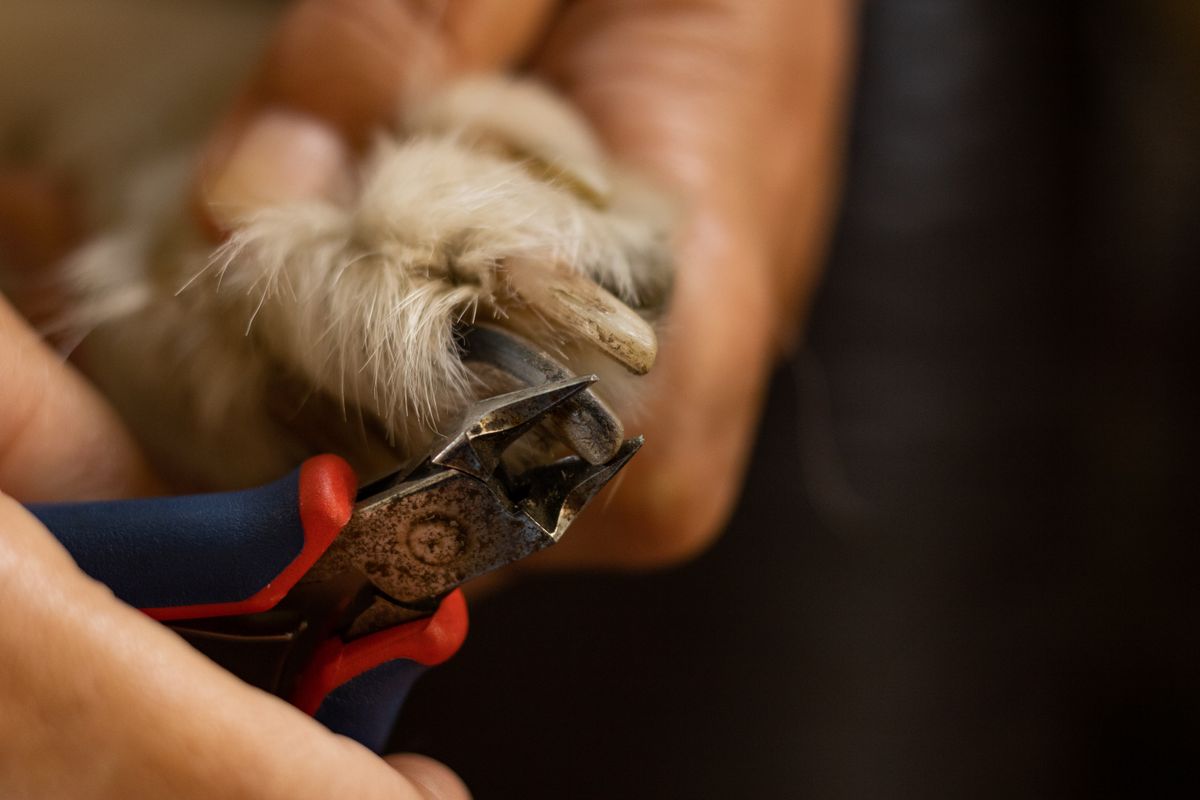
Guillotine-style clippers work well for small to medium dogs, while scissor-style clippers offer more control for large or thick nails. A grinder tool is a good alternative for dogs who tolerate the vibration and sound better than clipping pressure.
Nail care is just one part of a broader at-home maintenance routine — our dog crate lifespan guide covers another practical durability question owners often have.
What should I do if I accidentally cut the quick?
Keep styptic powder on hand — a small amount applied with light pressure stops the bleeding quickly, and it’s common enough that most experienced trimmers have dealt with it at least once.
Handling a Nervous Dog During Trims
Short sessions trimming just one or two nails at a time, paired with treats and a calm tone, help build tolerance gradually for dogs that resist the process. Rushing to finish all nails in one sitting often backfires, creating more anxiety around future trims than it solves in the moment.
For dogs with an extreme fear response, a groomer or vet tech experienced in low-stress handling techniques can make the process far less stressful for everyone involved.
One more practical note: keep styptic powder and a flashlight nearby during trims, especially for dogs with dark nails, since good lighting makes it considerably easier to spot the quick and avoid an accidental cut.
Sources & Expert References

About the Author
Jordan Lee
Jordan Lee handles product testing for ThePetGearList. Jordan shares a house with two dogs (a 60-lb mixed breed and a small terrier) and one cat, so gear gets tested across very different size and behavior needs before anything gets recommended. Before starting this site, Jordan worked at a mid-size animal shelter for five years, fitting harnesses and crates on hundreds of dogs of every size and temperament and seeing firsthand which gear held up to daily shelter use and which fell apart in a month. Every guide on this site is built the same way: buy or borrow the leading options in a category, run them for at least two weeks with real pets, and note the specific failure points — a harness buckle that cracked, a crate latch that a strong dog worked open, a feeder that clogged. The cheapest option that survives that test gets recommended first.