- Quick Answer: When a Litter Mat Helps
- How Litter Mats Work
- Benefits of Using a Litter Mat
- Types of Litter Mats
- Choosing the Right Size
- Will My Cat Use a Litter Mat?
- Cleaning Your Litter Mat
- Other Ways to Reduce Litter Tracking
- Multi-Cat Homes
- Litter Mats and Automatic Litter Boxes
- Budget and Value
- Keeping the Mat in Place
- Common Mistakes to Avoid
- Shop This Guide
- A Practical Scenario: The Gritty Hallway
- Frequently Asked Questions
- Final Thoughts: Do You Need a Litter Mat?
- Free New Pet Owner Checklist
- Everything you need for your dog or cat's first weeks home — get the free printable checklist.
As an Amazon Associate, we earn from qualifying purchases linked in this post.
Do you need a litter mat? Most cat owners find a litter mat well worth it. A litter mat sits in front of or under the litter box and catches granules stuck to your cat’s paws and fur, preventing litter from being tracked across your floors. It also protects floors from scatter and small spills, and it makes cleanup faster. If your cat uses a top-entry box with a grated lid, uses non-tracking litter, or the box sits on an easy-to-sweep floor, you may manage without one.
Litter tracking is one of the most common complaints about living with cats, especially with clumping clay and fine-grained litters. Below we explain how litter mats work, who benefits most, the main types, how to choose the right size, cleaning tips, and other ways to reduce tracking, so you can decide whether a mat belongs in your cat’s setup.
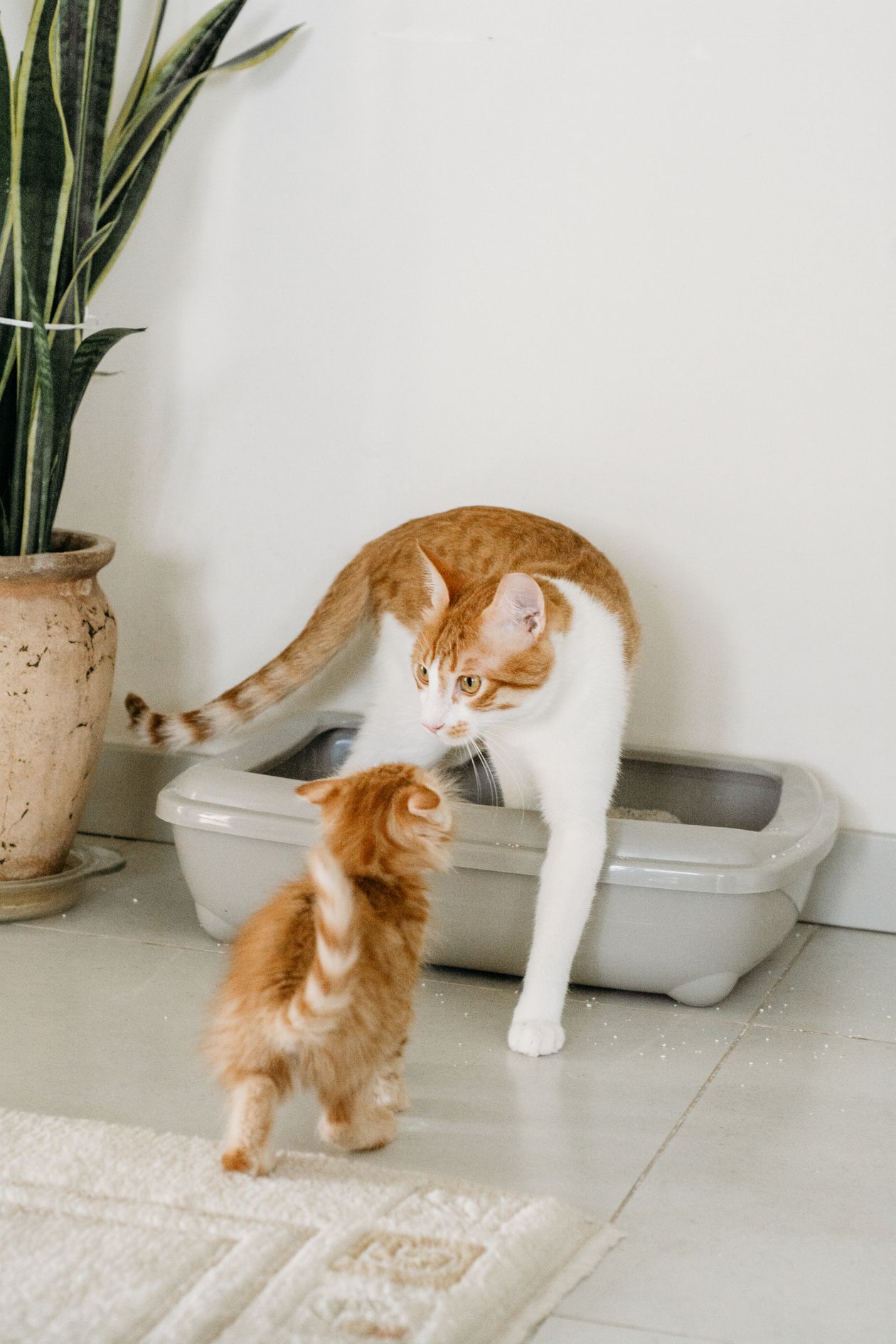
Quick Answer: When a Litter Mat Helps
This table gives a quick answer to do you need a litter mat in common setups.
| Situation | Mat Useful? | Why |
|---|---|---|
| Fine clumping clay litter | Yes | Sticks to paws and tracks easily |
| Long-haired cats | Yes | Litter clings to paw and leg fur |
| Box on carpet or near bedrooms | Yes | Protects flooring and keeps rooms cleaner |
| Cats who kick or dig vigorously | Yes | Catches scatter around the box |
| Large pellet litter, top-entry box | Optional | Less tracking to begin with |
How Litter Mats Work
When cats step out of the litter box, granules cling between their toes and in paw fur. A litter mat has a textured surface, such as grooves, honeycomb holes, or soft rubber nubs, that gently pulls litter from paws as your cat walks across it. Double-layer mats trap the litter between layers so you can lift and pour it out or back into the box.
The result is far less litter scattered across your floors. For many owners, seeing how much litter a mat catches in a single week settles do you need a litter mat once and for all.
Benefits of Using a Litter Mat
- Less tracking across floors, rugs, and furniture.
- Protects floors from scratches, urine splashes, and litter dust.
- Faster cleanup, since litter collects in one place.
- Saves litter, as you can return clean granules to the box.
- Cleaner bare feet for you, with fewer gritty surprises.

Types of Litter Mats
| Type | Pros | Cons |
|---|---|---|
| Honeycomb double-layer | Traps lots of litter, easy to empty | Some cats dislike the texture |
| Rubber or silicone | Waterproof, easy to wipe | Can be less effective at pulling litter |
| PVC coil or grid | Durable, good scraping action | Litter can lodge deep in coils |
| Soft fabric or microfiber | Gentle on paws, absorbent | Must be washed often |
| Large tray-style mat | Catches scatter and spills | Takes more floor space |
Choosing the Right Size
Bigger is usually better. The mat should extend at least 12 to 18 inches beyond the box entrance, so your cat takes two or three steps on it before reaching the floor. Many owners place the box on top of a large mat so it also catches litter kicked out from the sides. If your box has multiple entrances or your cat jumps out at an angle, choose an extra-wide mat. Measure the space around your box before buying.
Will My Cat Use a Litter Mat?
Most cats walk over a litter mat without noticing. A few sensitive cats dislike unusual textures and may try to jump over the mat or avoid the box. If your cat hesitates, try a softer mat, introduce it gradually by placing it a little farther away at first, or put a few treats on it. Never let a mat discourage litter box use, since avoiding the box can lead to accidents elsewhere. Watching your cat’s reaction is the most reliable way to answer do you need a litter mat that suits your cat.
Cleaning Your Litter Mat
Shake or empty the mat every day or two, and vacuum it regularly. Double-layer mats can be opened and the trapped litter poured back into the box if it is clean, or into the trash. Wash the mat with warm water and mild, unscented soap every week or two, especially if your cat has missed the box or splashed urine. Dry completely before putting it back. Keeping the mat clean also helps keep the litter area fresh, along with good box maintenance; see how often to clean a litter box.
Other Ways to Reduce Litter Tracking
- Use larger-grained or pellet litter that sticks less to paws.
- Choose a top-entry or high-sided box to reduce kicking.
- Trim paw fur on long-haired cats.
- Place the box on a hard floor that is easy to sweep.
- Keep the box clean, as cats dig more in dirty litter.
- Vacuum or sweep near the box every day or two.
The Humane Society’s litter box guidance also covers box location and cleanliness, which affect both tracking and box use.
Multi-Cat Homes
With several cats and several boxes, tracking multiplies quickly. Place a mat at every box, and choose larger mats for high-traffic boxes. The common guideline is one litter box per cat plus one extra; our guide on how many litter boxes you need explains why. For multi-cat households, the answer to do you need a litter mat is almost always yes, often several of them.
Litter Mats and Automatic Litter Boxes
Self-cleaning litter boxes still produce tracking because cats step in and out the same way. Many automatic boxes have a ramp or step that collects some litter, but a mat in front helps catch the rest. Our review of the best cat litter boxes covers designs that naturally reduce scatter, which can work together with a good mat.
Budget and Value
Litter mats are among the least expensive cat accessories, and a good one can last for years. Considering how much litter they save and how much cleaning time they cut, most owners find them excellent value. If you are unsure, start with a mid-size honeycomb or rubber mat and see how much it catches in a week; most people quickly decide the answer to do you need a litter mat is yes.
Keeping the Mat in Place
A mat that slides around on tile or wood floors can startle your cat and leave gaps where litter escapes. Choose a mat with a non-slip backing, or place a thin rubber rug grip underneath. Line up the edge of the mat tightly against the litter box entrance so there is no gap, and check its position after cleaning.
If your cat jumps out of the box at a particular angle, rotate the mat or add a second one to cover that landing spot. Small adjustments like these often make the difference between a mat that barely helps and one that catches nearly everything.
Common Mistakes to Avoid
- Buying a mat that is too small.
- Never emptying or washing the mat.
- Using a texture your cat refuses to walk on.
- Placing the mat where it slides around on smooth floors.
- Relying on a mat alone without good litter and box choices.
Shop This Guide
If you decide this gear is right for your pet, these links show current options and prices. Check reviews, sizing, and materials before you buy.
Want our top picks? Read our guide to the best cat litter box.
As an Amazon Associate, we earn from qualifying purchases at no extra cost to you.
A Practical Scenario: The Gritty Hallway
Imagine a long-haired cat whose litter box sits in a hallway bathroom. Every day, fine clay litter appears on the hallway floor and even in the bedroom. Her owner places a large double-layer honeycomb mat under and in front of the box and trims the fur between her toes. After a week, almost no litter makes it past the mat, and the owner pours the trapped clean litter back into the box. For him, the answer to do you need a litter mat was definitely yes.
Frequently Asked Questions
Do you need a litter mat?
Most cat owners find it very helpful for reducing tracking and protecting floors.
What type of litter mat works best?
Double-layer honeycomb mats trap the most litter, while soft rubber mats suit sensitive cats.
How big should a litter mat be?
Large enough that your cat takes two or three steps on it after leaving the box.
How often should I clean a litter mat?
Shake it out every day or two and wash it every week or two.
Final Thoughts: Do You Need a Litter Mat?
Do you need a litter mat? For most homes, yes. A good mat catches litter from paws, protects your floors, and makes cleanup faster for very little cost. Choose a large mat with a texture your cat accepts, place it where your cat exits the box, clean it regularly, and combine it with low-tracking litter and a well-maintained box for the best results.
Sources & Expert References

About the Author
ThePetGearList Team
ThePetGearList is an independent pet-gear site for dog and cat owners. We put each guide together from manufacturer specifications, veterinary and animal-welfare guidance (such as the AVMA and ASPCA), and patterns in verified owner reviews. We use AI writing tools to help draft guides and review every guide before it goes live. We have not hands-on tested every product we mention, so please check the manufacturer's current sizing and safety instructions before you buy, and ask your vet about health questions. Spotted something out of date? Tell us through the Contact page.