- Quick Answer: Food vs. Water
- Why Separate Food Bowls Matter
- Dogs and Cats Have Different Needs
- How to Set Up Feeding Stations
- Sharing Water: When It Is Fine
- Choosing the Right Bowls
- Handling Food Stealing and Resource Guarding
- Keeping Bowls Clean
- Free-Feeding in Multi-Pet Homes
- Introducing a New Pet to the Routine
- Labeling and Color-Coding Bowls
- Common Mistakes to Avoid
- Shop This Guide
- A Practical Scenario: The Food Thief
- Frequently Asked Questions
- Final Thoughts: Do You Need Separate Bowls for Multiple Pets?
- Free New Pet Owner Checklist
- Everything you need for your dog or cat's first weeks home — get the free printable checklist.
As an Amazon Associate, we earn from qualifying purchases linked in this post.
Do you need separate bowls for multiple pets? For food, yes, in almost every case. Each pet should have their own food bowl so you can control portions, prevent food guarding and fights, manage special diets, and notice changes in appetite early. Water is more flexible: pets can usually share water, but it is best to provide several water stations around the home so no pet is ever blocked from drinking.
Multi-pet homes are full of love, but mealtimes can quickly turn into a free-for-all where the fastest eater gets the most food. Below we explain why separate food bowls matter, when sharing water is fine, how to set up feeding stations for dogs and cats together, which bowls to choose, and how to handle common problems such as food stealing and resource guarding.
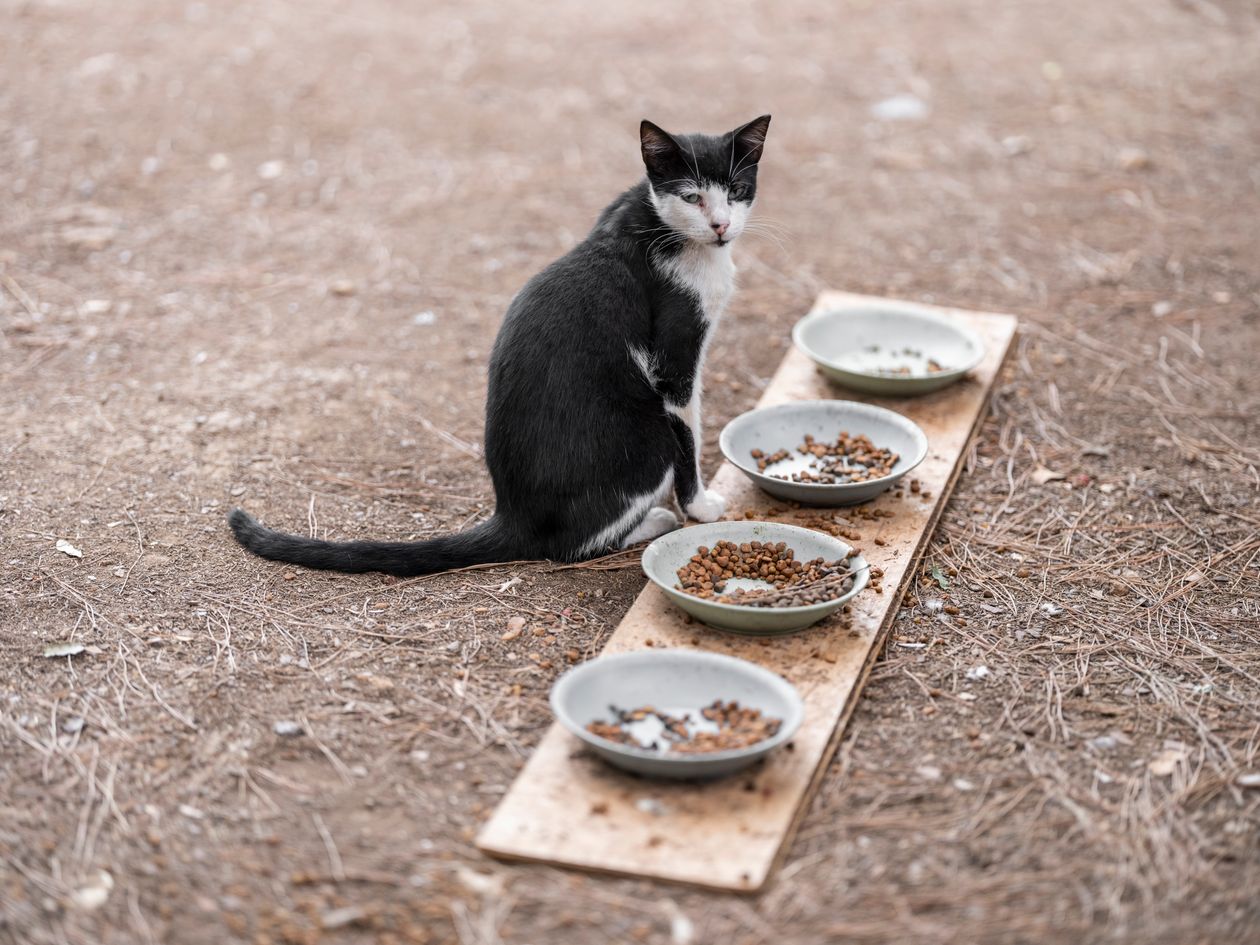
Quick Answer: Food vs. Water
This table gives a quick answer to do you need separate bowls for multiple pets.
| Bowl Type | Separate Bowls? | Why |
|---|---|---|
| Food, any pets | Yes | Portion control, prevents guarding and stealing |
| Food, dogs and cats together | Yes, and separate areas | Different nutrition needs; cats need cat food |
| Prescription or special diets | Yes, supervised | Prevents other pets eating the wrong food |
| Water, friendly pets | Can share | Offer more than one station |
| Water, pets who guard resources | Yes | Ensures everyone can drink |
Why Separate Food Bowls Matter
When pets share a bowl, it is almost impossible to know who ate what. Confident or fast eaters may gulp more than their share and gain weight, while timid pets quietly go hungry. A loss of appetite, often one of the first signs of illness, can go unnoticed for days. Sharing also creates competition, which can lead to stress, growling, or fights around food. Giving each pet their own bowl solves these problems, which is why the answer to do you need separate bowls for multiple pets is yes for food.
Dogs and Cats Have Different Needs
Dogs and cats should never routinely eat each other’s food. Cats are obligate carnivores and need nutrients such as taurine and certain vitamins in amounts that dog food does not provide. Cat food, meanwhile, is higher in fat and protein than most dogs need, and dogs who raid the cat bowl can gain weight or develop stomach upset. Feeding cats on raised surfaces, such as a counter, shelf, or cat tree, keeps their food out of the dog’s reach. The American Animal Hospital Association offers nutrition guidance for dogs and cats.
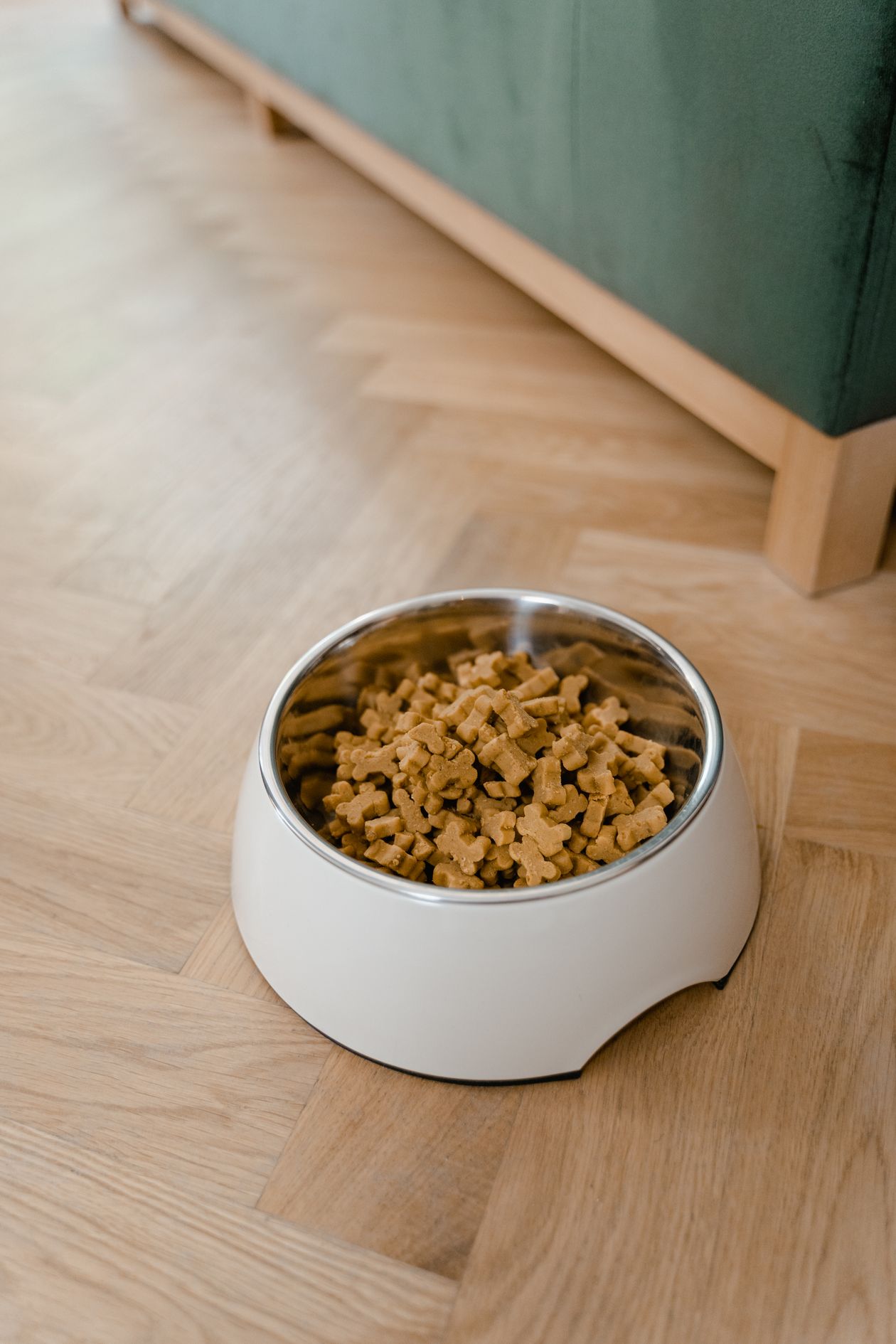
How to Set Up Feeding Stations
- Give each pet a dedicated bowl in a consistent spot.
- Space bowls apart, ideally several feet or in different rooms.
- Feed cats up high where dogs cannot reach.
- Use baby gates or closed doors to separate pets during meals if needed.
- Feed at set times rather than leaving food out all day.
- Pick up bowls after 15 to 20 minutes to prevent grazing and stealing.
- Supervise meals until you know everyone eats peacefully.
Sharing Water: When It Is Fine
Most friendly pets can share water without problems, and dogs and cats often drink from the same bowl. Still, provide more than one water station, especially in multi-cat homes, where cats may avoid a bowl near a more dominant cat. Place water in several rooms, away from litter boxes and food bowls, and keep at least one station where a shy pet feels safe. A pet water fountain can encourage cats to drink more; just keep it clean. If you notice one pet blocking access to water, separate bowls become important too, which is part of the full answer to do you need separate bowls for multiple pets.
Choosing the Right Bowls
| Bowl Type | Best For | Notes |
|---|---|---|
| Stainless steel | All pets | Durable, hygienic, dishwasher-safe |
| Ceramic | Cats and small dogs | Heavy and stable; replace if chipped |
| Slow feeder | Fast eaters | Slows gulping and reduces stealing time |
| Elevated bowl | Large or senior dogs | More comfortable posture for some dogs |
| Microchip feeder | Special diets, food thieves | Opens only for the assigned pet |
Our guides to the best slow feeder bowls and the best automatic pet feeders cover options that work well in multi-pet homes.
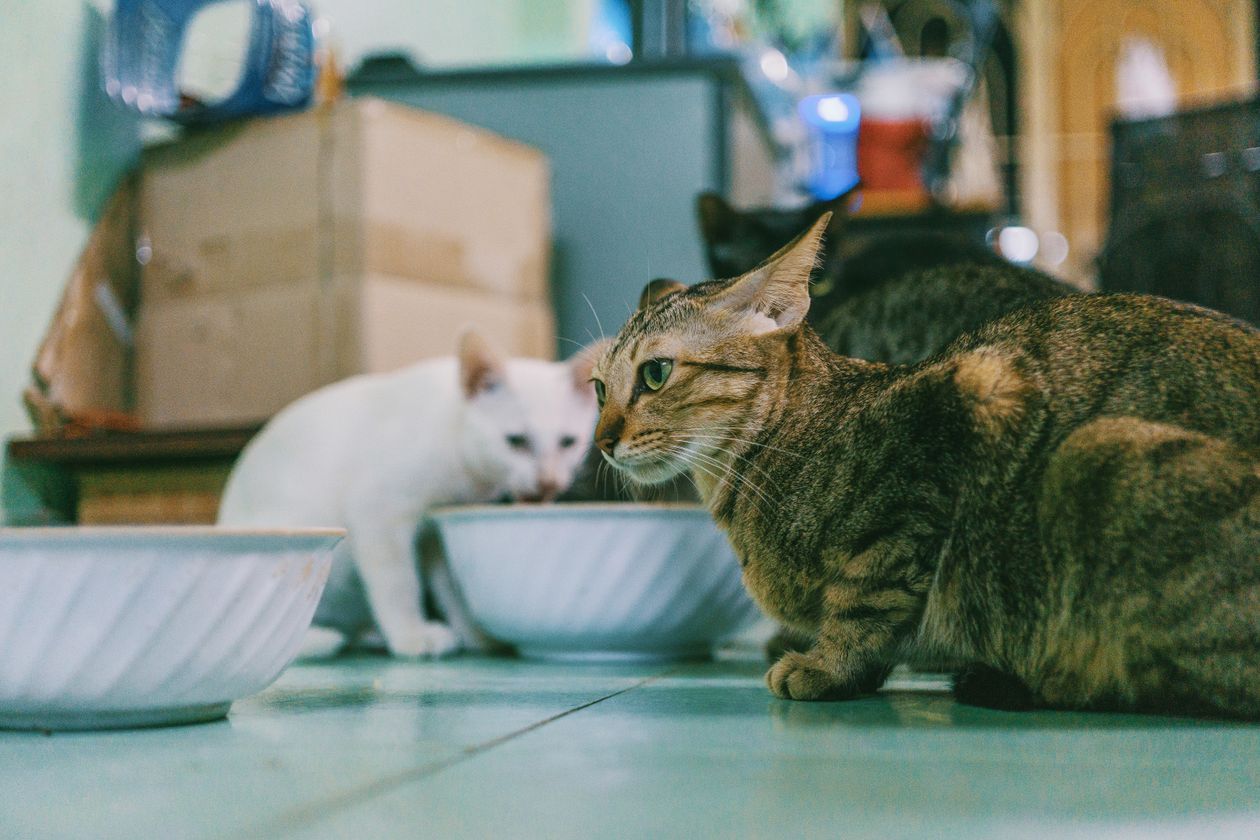
Handling Food Stealing and Resource Guarding
Food stealing is common when one pet finishes first and heads straight for another bowl. Slow feeders for the fast eater, separate rooms, and picking up bowls promptly all help. Resource guarding, where a pet growls, stiffens, or snaps near food, needs more care. Feed guarding pets completely separately, never punish the growl, which is a warning signal, and consult a veterinarian or certified behaviorist if guarding is intense or escalating. Microchip feeders are especially useful for homes where one pet is on a prescription diet or weight-loss plan.
Keeping Bowls Clean
More pets mean more bowls and more bacteria. Wash food bowls after every meal, especially for wet food, and wash water bowls daily, refreshing water at least once a day. Stainless steel is easiest to keep hygienic, and many bowls are dishwasher-safe. Our guide on how often to wash pet bowls explains a simple routine that works for busy multi-pet households.
Free-Feeding in Multi-Pet Homes
Leaving food out all day may seem convenient, but in multi-pet homes it makes portion control nearly impossible and often leads to weight gain in some pets while others miss out. Scheduled meals in separate bowls are better for most households. If you must free-feed cats, consider microchip feeders so each cat accesses only their own food. Thinking about feeding style is part of deciding do you need separate bowls for multiple pets and how to use them.
Introducing a New Pet to the Routine
When a new dog or cat joins the family, set up their own bowls from the very first day, in a separate room if possible. Gradually move feeding stations closer as pets become comfortable with each other, while still keeping bowls apart. Watch body language at mealtimes and step back if you notice tension. Starting with clear routines prevents bad habits and makes the answer to do you need separate bowls for multiple pets obvious to everyone in the household.
Labeling and Color-Coding Bowls
In busy households where several family members feed the pets, it is easy to mix up bowls, portions, or special diets. Color-coding bowls for each pet, or using bowls with names, helps everyone feed the right food in the right amount. Keep a simple feeding chart on the fridge listing each pet’s food, portion, and any supplements or medications. These small systems prevent mistakes and make it easy for pet sitters to follow your routine while you are away.
Common Mistakes to Avoid
- Using one shared food bowl for several pets.
- Feeding dogs and cats side by side at floor level.
- Leaving food out all day in multi-pet homes.
- Offering only one water bowl for several cats.
- Ignoring signs of guarding until a fight happens.
Shop This Guide
If you decide this gear is right for your pet, these links show current options and prices. Check reviews, sizing, and materials before you buy.
- Stainless steel bowl sets on Amazon →
- Microchip pet feeders on Amazon →
- Slow feeder bowls on Amazon →
Want our top picks? Read our guide to the best slow feeder bowl.
As an Amazon Associate, we earn from qualifying purchases at no extra cost to you.
A Practical Scenario: The Food Thief
Imagine a home with a Labrador, a senior beagle, and a cat. The Lab finishes in seconds and pushes the beagle away from her bowl, and both dogs raid the cat’s food on the floor. The owners give each pet a dedicated bowl, use a slow feeder for the Lab, feed the beagle in the kitchen behind a gate, and move the cat’s bowl onto a shelf. Within a week, mealtimes are calm and the beagle is finally eating her full portion. For them, the answer to do you need separate bowls for multiple pets was a clear yes.
Frequently Asked Questions
Do you need separate bowls for multiple pets?
Yes for food, so you can control portions and prevent guarding. Water can usually be shared if you offer several stations.
Can dogs and cats share a water bowl?
Usually yes, if they get along. Provide more than one water station.
Is it bad for my dog to eat cat food?
Occasional nibbles are not dangerous, but regular cat food can cause weight gain and stomach upset.
How far apart should pet food bowls be?
Several feet at minimum, or in separate rooms for pets who compete or guard food.
Final Thoughts: Do You Need Separate Bowls for Multiple Pets?
Do you need separate bowls for multiple pets? For food, absolutely: separate bowls let you control portions, manage special diets, and keep mealtimes peaceful. Water can often be shared, but multiple stations help every pet drink comfortably. Feed on a schedule, space bowls apart, keep cat food out of dogs’ reach, wash bowls regularly, and watch for guarding.
Sources & Expert References

About the Author
ThePetGearList Team
ThePetGearList is an independent pet-gear site for dog and cat owners. We put each guide together from manufacturer specifications, veterinary and animal-welfare guidance (such as the AVMA and ASPCA), and patterns in verified owner reviews. We use AI writing tools to help draft guides and review every guide before it goes live. We have not hands-on tested every product we mention, so please check the manufacturer's current sizing and safety instructions before you buy, and ask your vet about health questions. Spotted something out of date? Tell us through the Contact page.