- The Quick Schedule by Bowl Type
- Why Clean Bowls Matter
- How to Wash Pet Bowls Properly
- Choosing Bowls That Are Easier to Keep Clean
- Do Not Forget Water Fountains and Feeding Areas
- Signs a Bowl Needs Washing or Replacing
- Cleaning Bowls When Traveling or Outdoors
- Common Bowl-Cleaning Mistakes
- A Practical Scenario: A Busy Household
- Shop This Guide
- Frequently Asked Questions
- Final Thoughts: How Often Should You Wash Pet Bowls?
- Free New Pet Owner Checklist
- Everything you need for your dog or cat's first weeks home — get the free printable checklist.
As an Amazon Associate, we earn from qualifying purchases linked in this post.
How often should you wash pet bowls? Wash food bowls after every meal, especially if you feed wet, raw, or home-cooked food, and wash water bowls at least once a day, refilling them with fresh water. Dry-food-only bowls can sometimes go a little longer, but daily washing is still the safest habit. Pet bowls are among the germiest items in many kitchens, so they deserve the same care as your own dishes.
It is easy to simply top up a water bowl or add more kibble on top of yesterday’s crumbs. Unfortunately, leftover food and saliva create a slimy layer that bacteria love. Below we cover a realistic schedule by food type, how to wash bowls properly, which bowl materials are easiest to keep clean, and the signs a bowl needs to be replaced.
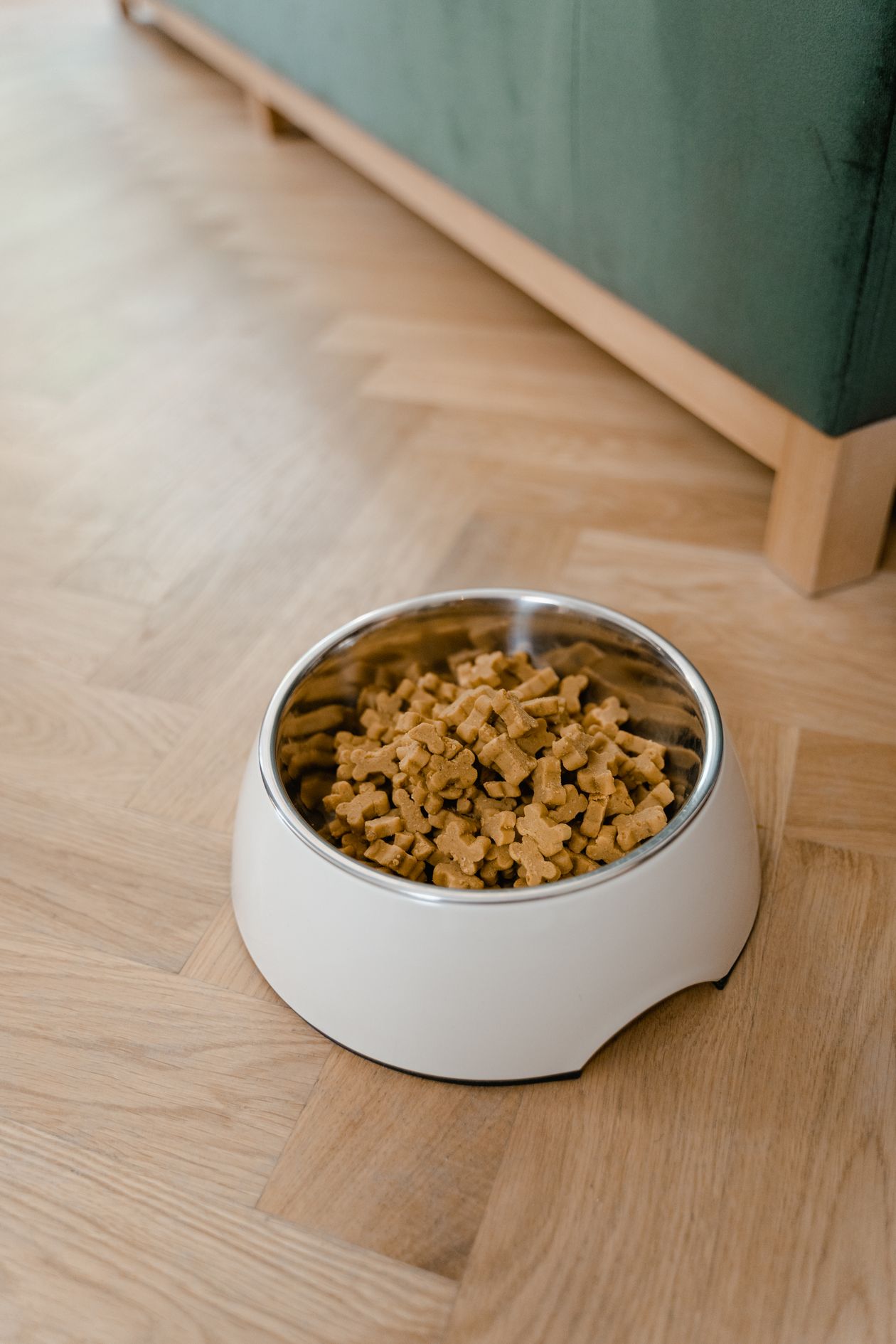
The Quick Schedule by Bowl Type
Here is a simple way to answer how often should you wash pet bowls in your home.
| Bowl Type | How Often to Wash | Why |
|---|---|---|
| Wet food bowl | After every meal | Moist food spoils quickly and attracts bacteria |
| Raw food bowl | After every meal, with hot soapy water | Raw meat can carry harmful bacteria |
| Dry kibble bowl | Daily | Oils and crumbs build up over time |
| Water bowl | Daily, with fresh water | Saliva, food bits, and dust create slime |
| Outdoor water bowl | Daily, more often in hot weather | Insects, leaves, and algae collect quickly |
| Slow feeders and puzzle bowls | After every use | Food hides in ridges and corners |
Why Clean Bowls Matter
Every time your pet eats or drinks, saliva and tiny food particles are left behind. Within a day or two, that residue forms biofilm, the slippery layer you can feel on the inside of an unwashed bowl. Biofilm protects bacteria and makes them harder to remove. The U.S. Food and Drug Administration recommends washing pet food bowls and scooping utensils with soap and hot water after each use as part of its tips for safe handling of pet food and treats.
Clean bowls also matter for people. Bacteria from pet bowls can transfer to hands, sponges, and kitchen counters. That is especially important in homes with young children, older adults, or anyone with a weakened immune system. So when you ask how often should you wash pet bowls, think of it as part of kitchen hygiene, not just pet care.
How to Wash Pet Bowls Properly
- Empty leftovers into the trash rather than leaving them to dry on.
- Wash with hot water and dish soap, scrubbing the inside, rim, and base.
- Use a separate sponge or brush for pet bowls, or run them through the dishwasher.
- Rinse thoroughly so no soap taste remains.
- Dry completely before refilling.
- Wash your hands after handling bowls and pet food, especially raw food.
However you decide how often should you wash pet bowls, remember that most stainless steel and ceramic bowls are dishwasher safe, which is the easiest way to get them truly clean. Check the label for plastic bowls, which can warp.
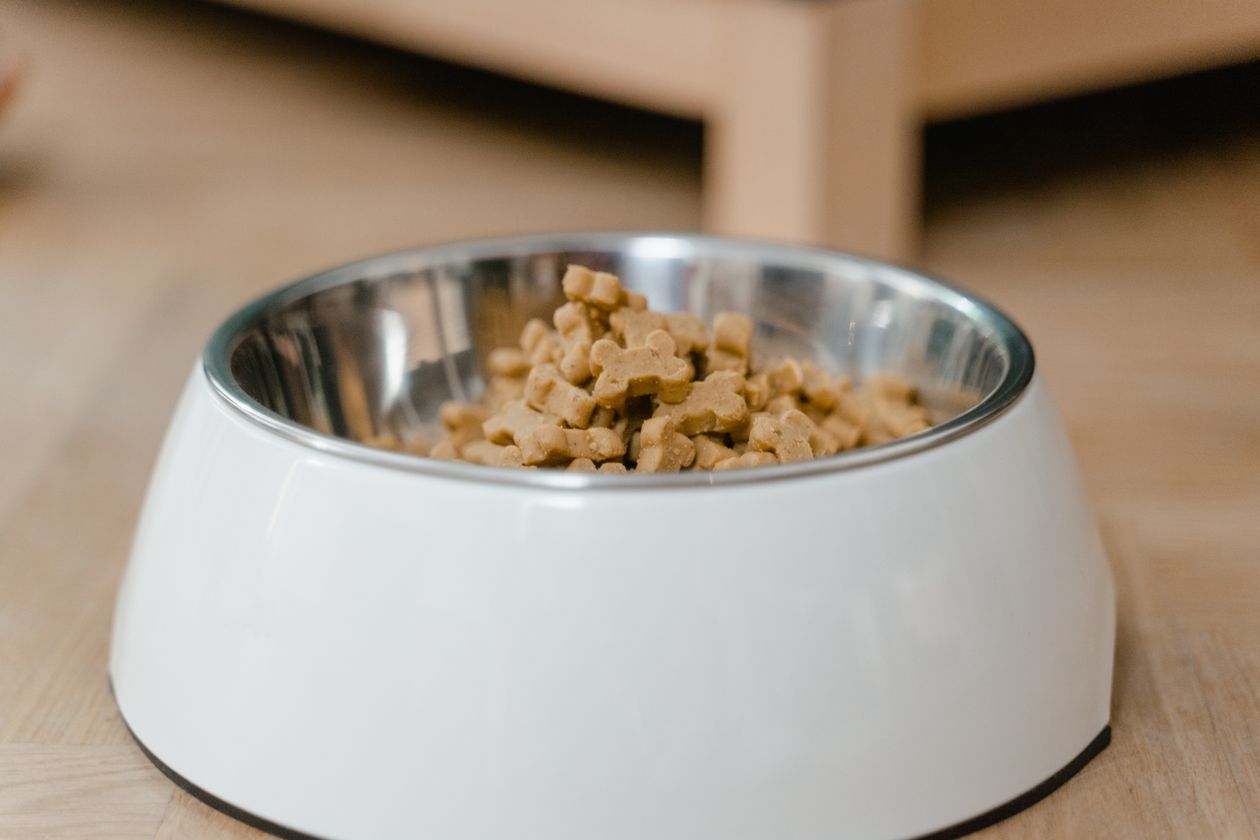
Choosing Bowls That Are Easier to Keep Clean
Material makes a real difference in how easy it is to keep up with how often should you wash pet bowls:
- Stainless steel: durable, non-porous, dishwasher safe, and the easiest to keep hygienic. A top choice for most pets.
- Ceramic: heavy and stable, easy to clean when glazed, but replace it if it chips or cracks.
- Plastic: inexpensive but scratches easily, and scratches harbor bacteria. Some pets develop chin irritation with plastic bowls.
- Silicone travel bowls: handy on the go, but wash them after every trip.
Raised feeders and slow-feeder bowls can be useful for some dogs, but their shapes add corners where food hides. If you are considering one, our guide on whether you need a raised feeder bowl for dogs covers the pros and cons.
Do Not Forget Water Fountains and Feeding Areas
Water fountains need a full clean about once a week plus regular filter changes, because water circulates through a pump and hidden reservoir. Our guide on how often you should clean a pet water fountain gives the complete routine. Wipe the floor or mat around feeding bowls every day too, since spilled food and water attract ants and bacteria.
Signs a Bowl Needs Washing or Replacing
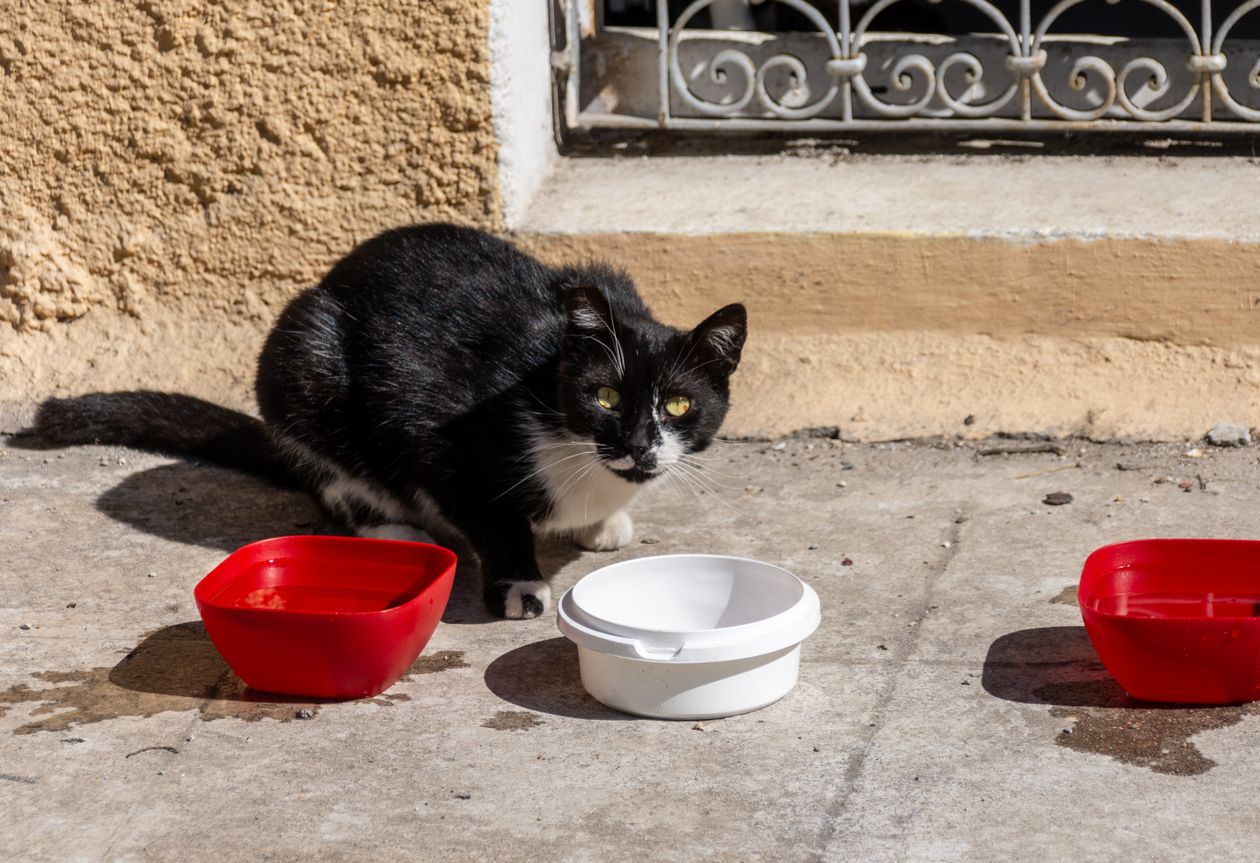
Whatever your schedule, wash immediately if the bowl feels slimy, smells sour, or has visible residue or pink or orange film. Replace the bowl when:
- Plastic is deeply scratched, cracked, or discolored
- Ceramic is chipped or crazed with fine cracks
- Stainless steel shows rust spots
- Your pet develops chin acne or redness around the mouth that may be linked to the bowl
Cleaning Bowls When Traveling or Outdoors
Travel and outdoor feeding make it easy to forget how often should you wash pet bowls. On road trips, pack a collapsible bowl for each pet plus a small bottle of dish soap and a cloth, and rinse bowls at every stop. For outdoor water bowls, choose a shaded spot, empty and scrub the bowl daily, and refill with cool, fresh water, because warm standing water grows algae and attracts insects quickly in summer. During camping or hiking trips, bring your own drinking water for your dog so they do not drink from puddles or streams, and wash the bowl as soon as you get back home.
Common Bowl-Cleaning Mistakes
Even owners who know the answer to how often should you wash pet bowls can slip into a few habits that undo their effort:
- Topping up instead of emptying: adding fresh water to old water keeps the slime layer alive.
- Using the family dish sponge: it can spread pet bacteria to your own plates.
- Leaving wet food out for hours: pick up uneaten wet food after about 20 to 30 minutes.
- Skipping the rim and base: bacteria collect where pets lick and where bowls touch the floor.
- Using strong scented cleaners: residues can put pets off eating or drinking.
Keeping two sets of bowls makes it easy to always have a clean set ready while the other is in the dishwasher.
A Practical Scenario: A Busy Household
Picture a home with a dog on wet food twice a day, a cat on dry kibble, and a shared water bowl in the kitchen. The family used to rinse bowls a couple of times a week. A better routine for this household is to wash the dog’s bowl after each meal, wash the cat’s kibble bowl and the water bowl every evening, and run all bowls through the dishwasher on the weekend. With two sets of bowls, the switch takes only a minute. For this family, the answer to how often should you wash pet bowls became part of the regular evening dish routine.
Shop This Guide
If this gear makes sense for your pet, these links show current options and prices. Check sizing, materials, and reviews before you buy, and ask your vet if your pet has special needs.
As an Amazon Associate, we earn from qualifying purchases at no extra cost to you.
Frequently Asked Questions
How often should you wash pet bowls if your pet only eats dry food?
Daily is best. Dry food still leaves oils and crumbs that build up and attract bacteria.
Is it okay to wash pet bowls with human dishes?
Washing in the dishwasher on a hot cycle is generally fine. For hand-washing, use a separate sponge or brush for pet bowls.
How often should I change my pet’s water?
At least once a day, and more often in hot weather or if the water looks dirty.
Are stainless steel bowls better than plastic?
Yes, for most pets. Stainless steel is non-porous, durable, and easier to keep clean.
Can dirty bowls make my pet sick?
They can contribute to stomach upsets and skin issues, so keeping bowls clean is a simple way to support your pet’s health.
Final Thoughts: How Often Should You Wash Pet Bowls?
How often should you wash pet bowls? Wash food bowls after every meal, especially for wet or raw food, and clean and refill water bowls daily. Use hot soapy water or the dishwasher, choose stainless steel or glazed ceramic over plastic, keep a spare set, and replace bowls that are scratched, chipped, or rusty. It only takes a minute a day, and it helps keep both your pet and your kitchen healthier.
Sources & Expert References

About the Author
ThePetGearList Team
ThePetGearList is an independent pet-gear site for dog and cat owners. We put each guide together from manufacturer specifications, veterinary and animal-welfare guidance (such as the AVMA and ASPCA), and patterns in verified owner reviews. We use AI writing tools to help draft guides and review every guide before it goes live. We have not hands-on tested every product we mention, so please check the manufacturer's current sizing and safety instructions before you buy, and ask your vet about health questions. Spotted something out of date? Tell us through the Contact page.