- When a Dog Gate Really Helps
- Why Gates Are Useful for Safety
- Types of Dog Gates
- Choosing the Right Height and Width
- Installing a Gate Safely
- Training Your Dog to Respect the Gate
- Where to Place Gates in a Typical Home
- Gate, Crate, or Playpen?
- Common Mistakes to Avoid
- A Practical Scenario: A Puppy and a Toddler
- Shop This Guide
- Frequently Asked Questions
- Final Thoughts: Do You Need a Dog Gate?
- Free New Pet Owner Checklist
- Everything you need for your dog or cat's first weeks home — get the free printable checklist.
As an Amazon Associate, we earn from qualifying purchases linked in this post.
Do you need a dog gate? For many households, yes. A dog gate is one of the most useful tools for puppies in training, dogs that should stay off the stairs, homes with babies or toddlers, multi-pet households where cats need a dog-free zone, and dogs that raid the kitchen or bolt for the front door. If you have a calm adult dog in a home with no hazards to block off, you may not need one at all.
The right answer depends on your dog’s age, size, behavior, and the layout of your home. Below we cover the situations where a gate genuinely helps, the main types of gates, how to choose the right height and style, how to install one safely, and when a crate or playpen might be a better fit.
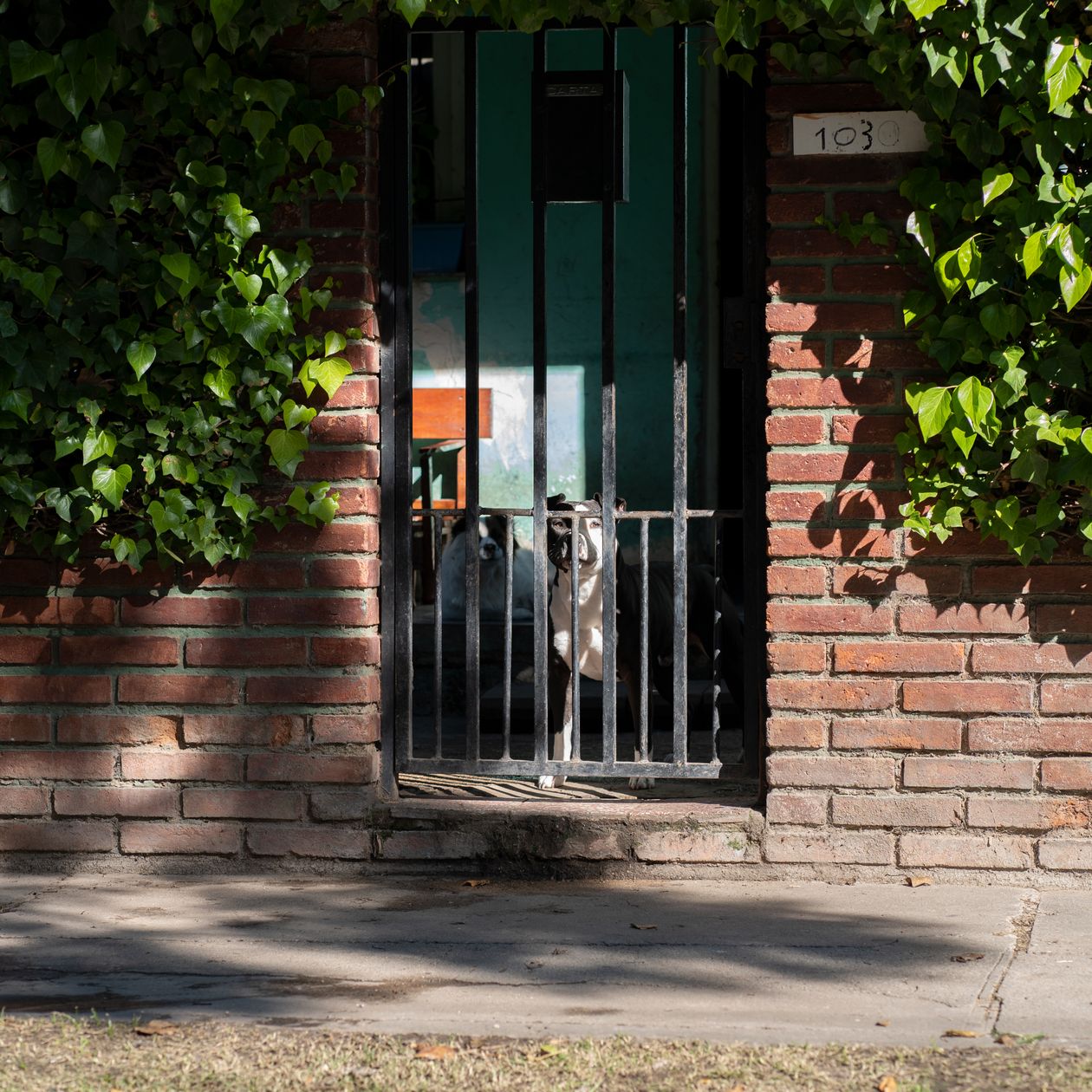
When a Dog Gate Really Helps
Here is a quick way to answer do you need a dog gate based on what is happening in your home.
| Situation | Gate Helpful? | Why |
|---|---|---|
| New puppy | Very helpful | Limits access while house training and prevents chewing |
| Stairs and senior or small dogs | Very helpful | Prevents falls and strain on joints |
| Baby or toddler in the home | Very helpful | Creates safe zones for both child and dog |
| Cats and dogs together | Helpful | Gives cats a dog-free area for food and litter |
| Kitchen counter surfing or food stealing | Helpful | Keeps the dog out while you cook |
| Door dashing | Helpful | Adds a barrier between the dog and the front door |
| Calm, trained adult dog | Optional | Rarely needed without specific hazards |
Why Gates Are Useful for Safety
Kitchens hold many dangers for dogs, from hot stoves to foods that are toxic to them. The ASPCA keeps a list of people foods to avoid feeding your pets, including chocolate, grapes, onions, and xylitol. A gate across the kitchen doorway is one of the simplest ways to keep a curious dog away from dropped food and hot surfaces while you cook. That safety role is a big reason many owners decide the answer to do you need a dog gate is yes.
Types of Dog Gates
Once you decide do you need a dog gate for your home, choose a style that suits the space:
- Pressure-mounted gates: held in place by tension against the door frame. Easy to install and move, ideal for doorways and hallways, but never safe at the top of stairs.
- Hardware-mounted gates: screwed into the wall or banister. The safest choice for the top of stairs and for strong or determined dogs.
- Freestanding gates: stand on their own with feet or panels. Good for low-energy dogs and wide openings, but easy for big dogs to push over.
- Extra-tall gates: for jumpers and large breeds.
- Gates with a pet door: a small built-in door lets cats pass while keeping the dog out.
- Retractable mesh gates: roll away when not in use, handy for wide openings.
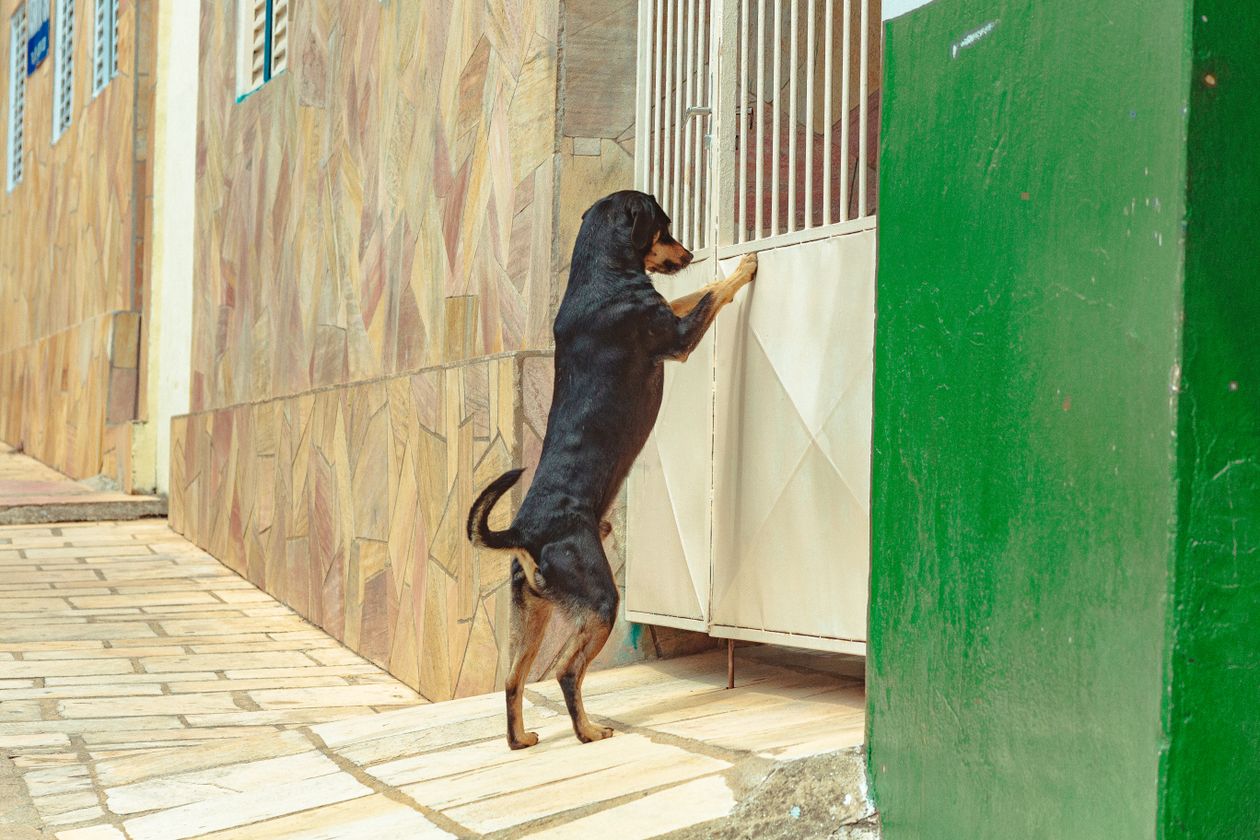
Choosing the Right Height and Width
Measure the opening carefully at the top and bottom, since doorways and stair openings are not always perfectly straight. Choose a gate that fits within its adjustable range, with extensions if needed. For height, a good rule is at least three-quarters of your dog’s standing height, and taller for jumpers or climbers. Small dogs do well with standard 24-to-30-inch gates, while large or athletic breeds may need gates of 36 inches or more. Vertical bars are harder to climb than horizontal ones, and bar spacing should be narrow enough that small dogs cannot squeeze through or get their heads stuck.
Installing a Gate Safely
- Use hardware-mounted gates at the top of stairs, never pressure-mounted ones.
- Check the gate is level and the latch closes firmly every time.
- Test it with your hand by pushing and pulling firmly before trusting it with your dog.
- Re-tighten pressure gates every few weeks, since they can loosen with use.
- Keep nearby furniture away so your dog cannot use it to climb over.
Training Your Dog to Respect the Gate
Introduce the gate with positive experiences. Feed treats or meals near it, practice short periods on each side, and reward calm behavior. Never use the gate to isolate a dog for long periods; dogs should still be able to see and hear the family. With consistent practice, most dogs quickly learn that the gate is just part of the house.
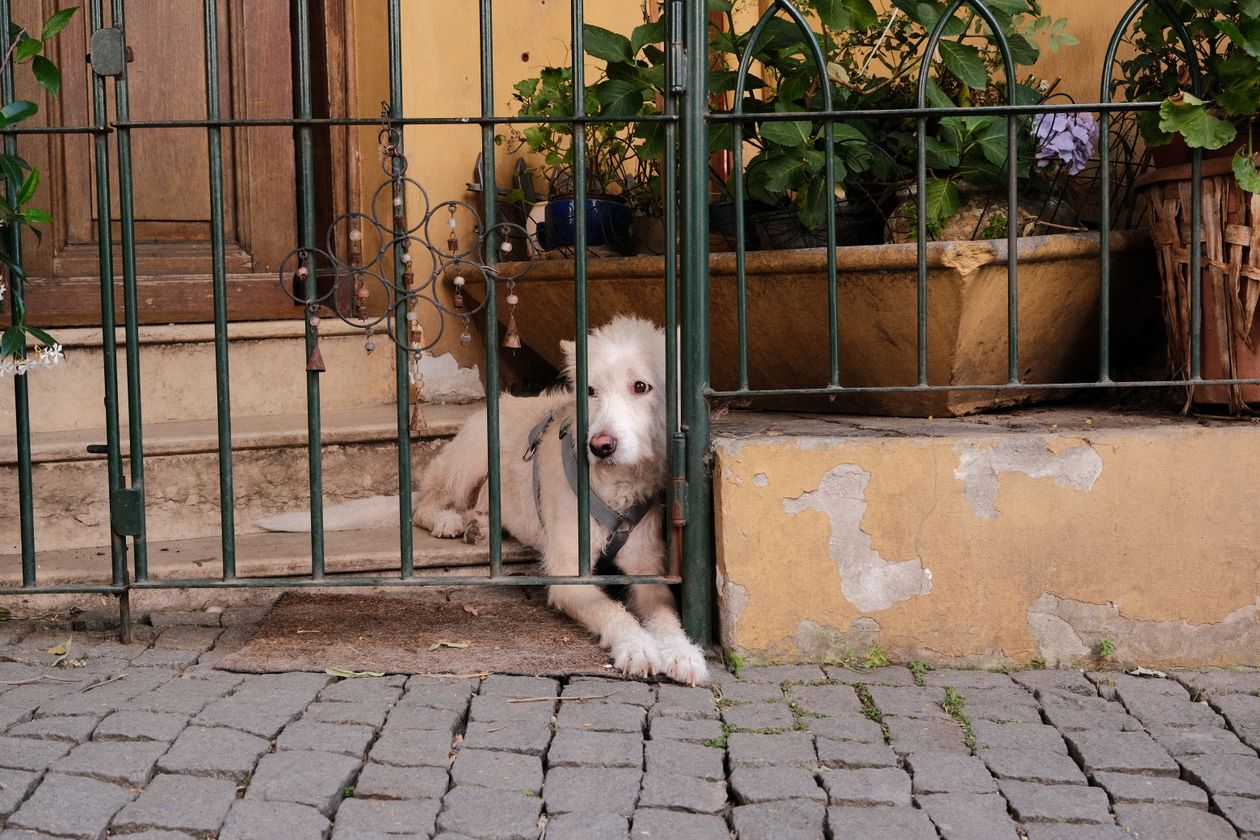
Where to Place Gates in a Typical Home
The layout of your home shapes how many gates you need. The most common spots are the top and bottom of staircases, the kitchen doorway, the entrance to a nursery or child’s room, and the hallway leading to the front door. In homes with cats, a gate in front of the room with the litter box and cat food keeps the dog away from both. Start with the one or two places that solve your biggest problem, then add more only if needed. Many owners find that one well-placed gate is enough once the dog learns the household routine, while others with puppies and toddlers use two or three for the first year.
Gate, Crate, or Playpen?
Each tool has a different job. A gate blocks off part of the house while leaving your dog free in the rest. A crate gives a small, den-like space for rest and training. A playpen creates a larger enclosed area, which works well for puppies when you cannot supervise. Many owners use a combination. If you are crate training, our guide on how long crate training takes explains what to expect, and our roundup of the best dog crates compares options. Thinking about these tools together helps you answer do you need a dog gate, a crate, or both.
Common Mistakes to Avoid
Owners who decide the answer to do you need a dog gate is yes sometimes run into avoidable problems:
- Using a pressure-mounted gate at the top of the stairs
- Choosing a gate that is too short for a jumper
- Leaving the gate unlatched out of habit
- Placing it where the dog can climb on furniture to get over
- Relying on the gate instead of training and supervision
Avoiding these mistakes makes the gate both safer and far more effective.
A Practical Scenario: A Puppy and a Toddler
Picture a family with a four-month-old Labrador puppy and a toddler who has just started walking. The puppy chews everything, and the toddler drops crumbs everywhere. For this household, the answer to do you need a dog gate is a clear yes: a hardware-mounted gate at the top of the stairs, a pressure-mounted gate across the kitchen doorway, and a playpen in the living room for times when no adult can watch both the puppy and the child. As the puppy matures, the family can remove the kitchen gate but keep the stair gate for the toddler’s sake.
Shop This Guide
If this gear makes sense for your pet, these links show current options and prices. Check sizing, materials, and reviews before you buy, and ask your vet if your pet has special needs.
As an Amazon Associate, we earn from qualifying purchases at no extra cost to you.
Frequently Asked Questions
Do you need a dog gate if you crate train?
Not always, but many families use both: the crate for rest and the gate for safe, larger areas during supervised time.
Can a baby gate work as a dog gate?
Often, yes, for small and medium dogs. Large or jumping dogs may need taller, stronger pet-specific gates.
What height dog gate do I need?
At least three-quarters of your dog’s standing height, and taller for jumpers. Large breeds often need 36 inches or more.
Are pressure-mounted gates safe?
Yes for doorways and hallways, but never at the top of stairs, where a hardware-mounted gate is required.
Can cats get past dog gates?
Many cats jump over or use a built-in pet door, which is useful if you want them to have a dog-free space.
Final Thoughts: Do You Need a Dog Gate?
Do you need a dog gate? For puppies, homes with stairs, babies or toddlers, multi-pet households, and dogs who raid the kitchen or dash for the door, a gate is one of the most practical tools you can buy. Calm, trained adult dogs in hazard-free homes may not need one. Measure carefully, choose the right height and mounting style, install it securely, and pair it with training and supervision for a safer, calmer home.
Sources & Expert References

About the Author
ThePetGearList Team
ThePetGearList is an independent pet-gear site for dog and cat owners. We put each guide together from manufacturer specifications, veterinary and animal-welfare guidance (such as the AVMA and ASPCA), and patterns in verified owner reviews. We use AI writing tools to help draft guides and review every guide before it goes live. We have not hands-on tested every product we mention, so please check the manufacturer's current sizing and safety instructions before you buy, and ask your vet about health questions. Spotted something out of date? Tell us through the Contact page.