- Typical Lifespan by Toy Type
- Warning Signs a Toy Must Go
- Why Cats Wear Out Toys So Fast
- Rotate Toys to Keep Them Interesting
- Cleaning Cat Toys
- Safe Toy Choices
- A Simple Monthly Toy Check
- How Age and Personality Change the Answer
- Budget-Friendly Replacement Tips
- A Practical Scenario: An Energetic Young Cat
- Shop This Guide
- Frequently Asked Questions
- Final Thoughts: How Often Should You Replace Cat Toys?
- Free New Pet Owner Checklist
- Everything you need for your dog or cat's first weeks home — get the free printable checklist.
As an Amazon Associate, we earn from qualifying purchases linked in this post.
How often should you replace cat toys? There is no fixed calendar date, but most cat toys need replacing every few weeks to a few months. Feather wands and string toys often wear out within weeks of daily play, small plush and catnip toys usually last one to three months, and sturdy toys such as balls, tunnels, and electronic toys can last a year or more. The real rule is simple: replace any toy as soon as it is damaged, has loose parts, or could be swallowed.
Cats are hunters, and they play hard. Claws, teeth, and enthusiastic kicking break down toys faster than many owners expect, and some broken toys can be dangerous. Below we cover typical lifespans by toy type, the warning signs that a toy must go, how rotating toys keeps your cat interested, and how to keep toys safe and clean.
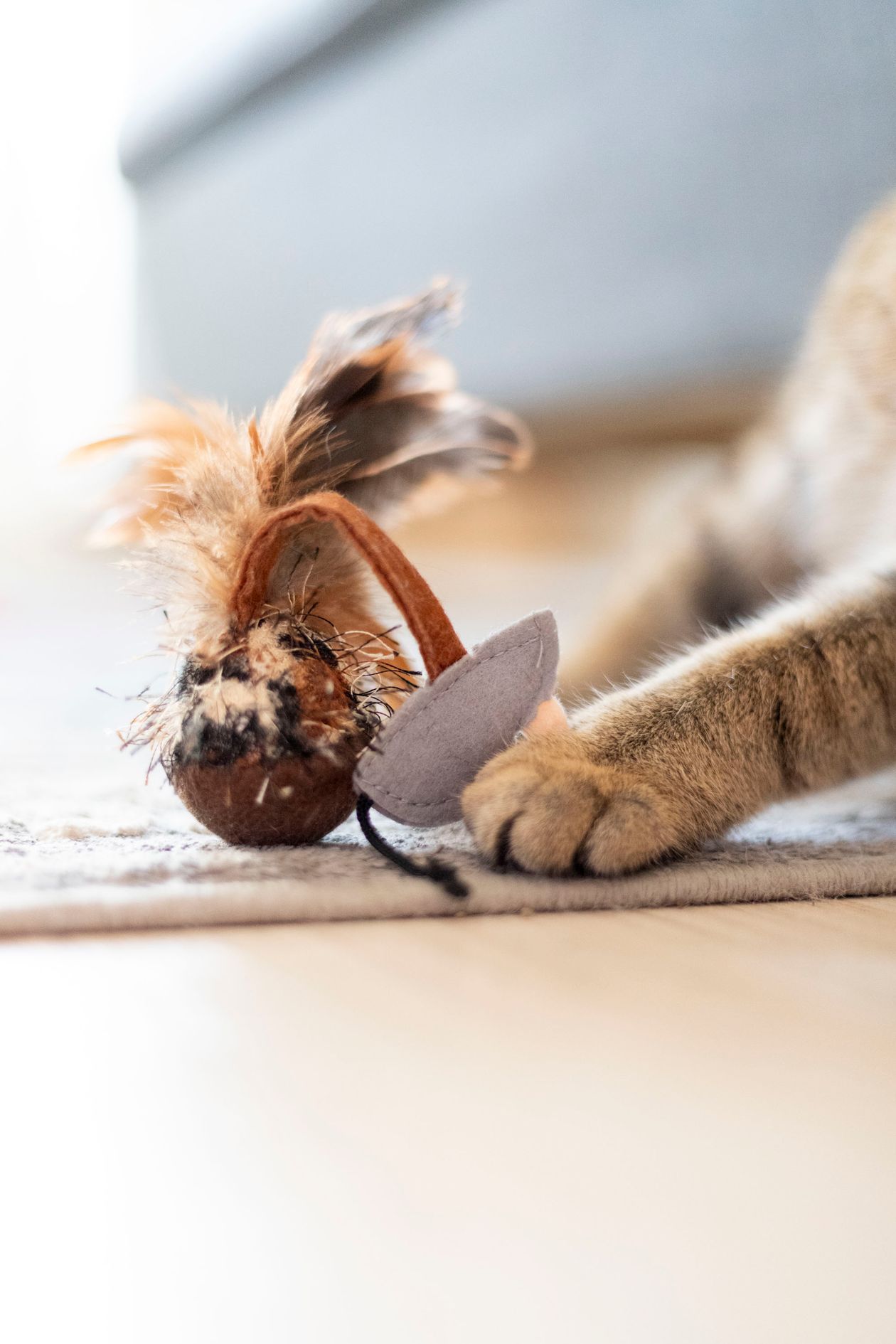
Typical Lifespan by Toy Type
This table gives a realistic answer to how often should you replace cat toys by type.
| Toy Type | Typical Lifespan | Main Risk |
|---|---|---|
| Feather wands and teasers | 2–8 weeks (attachments) | Loose feathers and string can be swallowed |
| String, ribbon, and elastic toys | Supervised use only | Linear objects can cause serious intestinal injury |
| Small plush and mice | 1–3 months | Torn seams and loose eyes or tails |
| Catnip toys | 1–3 months | Catnip loses potency; fabric tears |
| Plastic balls and bell toys | 3–12 months | Cracks and small bells coming loose |
| Tunnels and kicker toys | 6–12+ months | Rips, exposed wires, or stuffing |
| Electronic and puzzle toys | 1+ years | Loose batteries or broken parts |
Warning Signs a Toy Must Go
Regardless of age, throw away a toy immediately if you notice:
- Torn fabric or exposed stuffing
- Loose eyes, bells, feathers, tails, or other small parts
- Frayed strings, ribbons, or elastic
- Cracked plastic with sharp edges
- Exposed batteries or broken battery covers
- A toy small enough, or broken down enough, to be swallowed
- A smell or stain that will not clean out
String-like items are the biggest concern. If swallowed, they can cause a serious intestinal blockage that needs emergency surgery. If your cat ever vomits repeatedly, stops eating, or seems painful after playing with string, contact a veterinarian right away. That safety risk is why how often should you replace cat toys matters more than many people think.
Why Cats Wear Out Toys So Fast
Play for cats mimics hunting: stalking, pouncing, biting, and “bunny-kicking” prey with their back legs. A small plush mouse may be bitten and kicked hundreds of times in a single session. Kittens and young adult cats are especially rough. The ASPCA’s general cat care guidance encourages daily play for exercise and mental stimulation, so a steady supply of safe toys is part of good care.
Rotate Toys to Keep Them Interesting
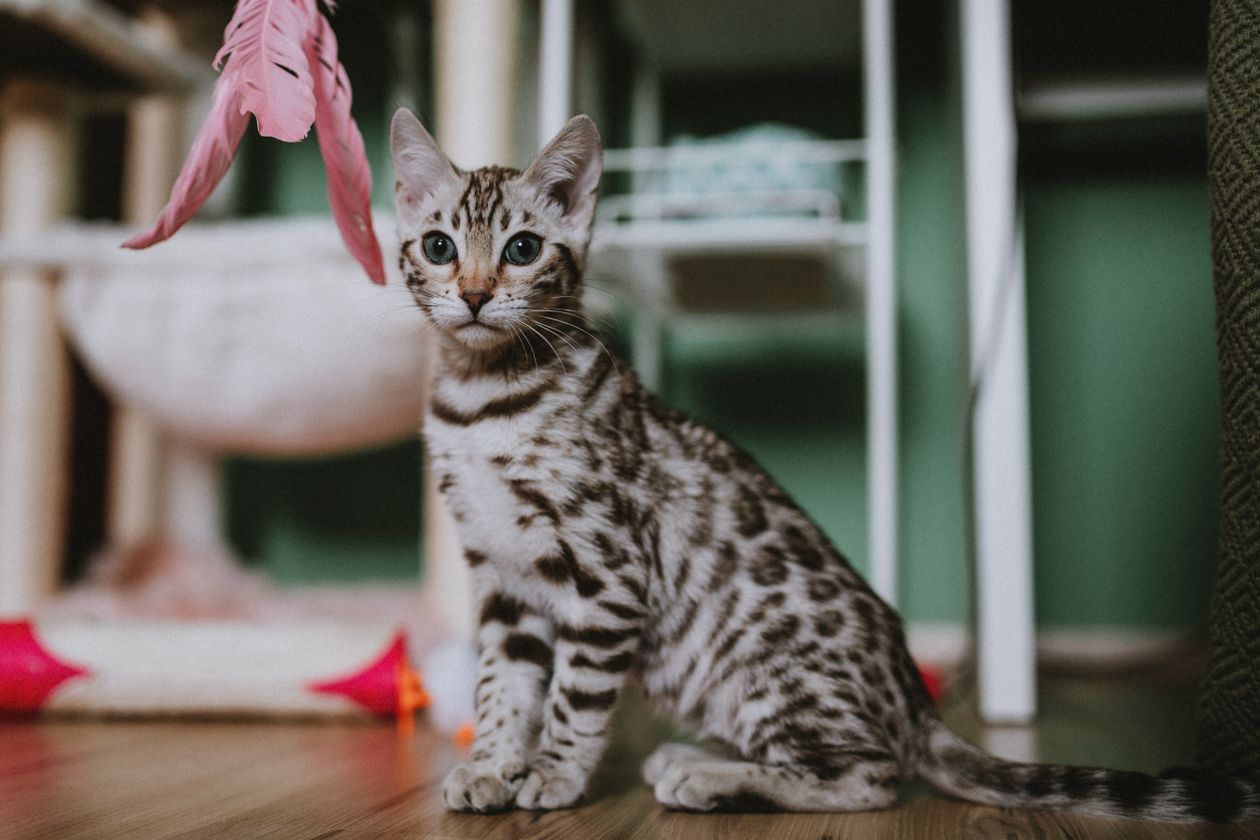
Cats often lose interest in toys that are always lying around. Rotating toys solves two problems at once: it keeps your cat engaged and it spreads wear across more toys. Keep three or four toys out and store the rest in a sealed container. Swap the selection every week. Toys that come back after a break often feel brand new to your cat. This habit also makes how often should you replace cat toys easier to manage, because each toy gets less daily wear.
Store catnip toys in an airtight bag or jar between uses. Catnip loses its scent over time, and sealing it keeps it effective longer.
Cleaning Cat Toys
Toys collect saliva, dust, and hair. Wash hard plastic toys with warm soapy water every week or two, and rinse well. Many fabric toys can go in a mesh laundry bag on a gentle cycle, though catnip toys may lose their scent. Let everything dry completely before giving it back. Throw away toys that cannot be cleaned and have become grimy or smelly.
Safe Toy Choices
When buying replacements, choose toys sized so they cannot be swallowed, with securely attached parts and no small loose pieces. Use wand toys and anything with string only during supervised play, and store them out of reach afterward. Larger enrichment items, such as scratching posts and cat trees, also count as “toys” for climbing and play; our guide on whether cats need a cat tree explains why vertical space matters.
A Simple Monthly Toy Check
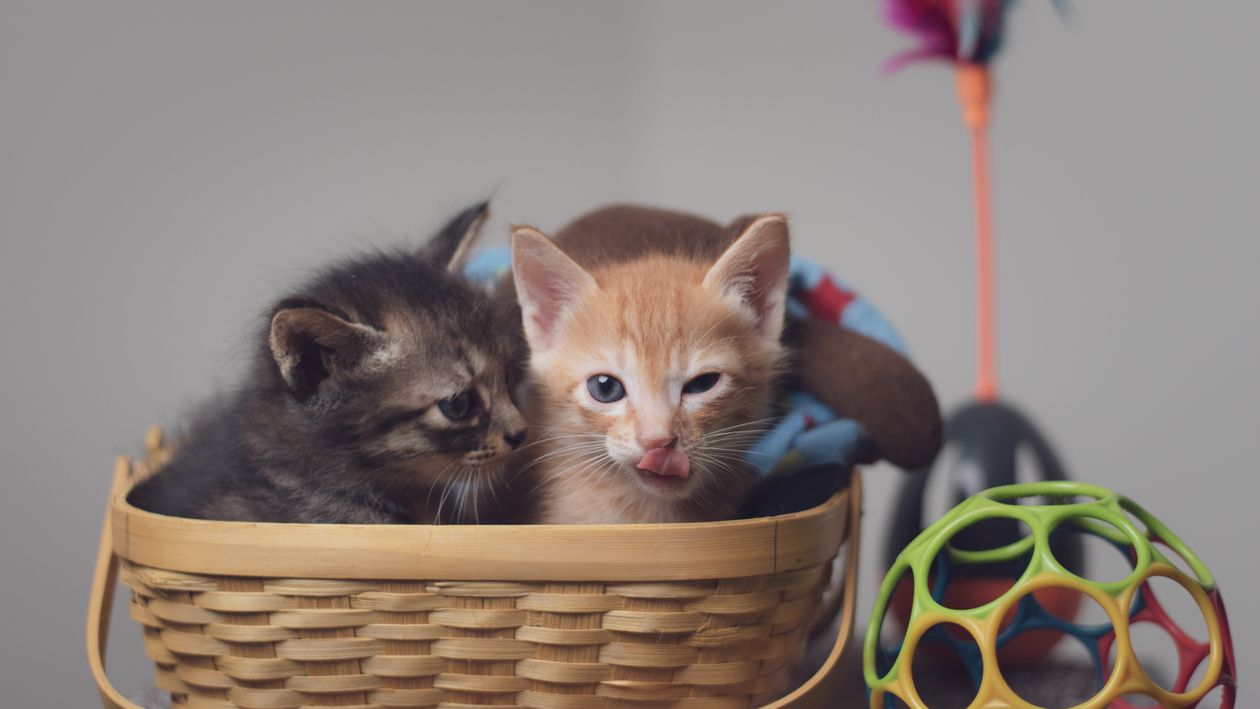
An easy habit makes how often should you replace cat toys almost automatic. Once a month, gather every toy from under the sofa, behind the bed, and inside the cat tree. Inspect each one, wash the ones worth keeping, toss anything damaged, and make a short list of what to restock. Many owners find a surprising number of lost toys this way, and the check catches broken items before your cat finds them. If you also have a dog, our guide on how often you should replace dog toys follows a similar approach.
How Age and Personality Change the Answer
Your cat’s age and play style have a big influence on how often should you replace cat toys. Kittens and young adults are usually the toughest on toys, chewing and kicking with real force, so their toys may need replacing every few weeks. Middle-aged cats often settle into favorite toys that last for months. Senior cats tend to play more gently and for shorter periods, so their toys can last a long time, although soft, easy-to-bat toys and slow wand play suit them best.
Personality matters too. Some cats are “destroyers” who shred every plush toy within days, while others carry the same mouse around for a year. Watch how your own cat plays and adjust your restocking habits to match. A destroyer does better with sturdy rubber or hard plastic toys, plus supervised wand play, than with delicate fabric toys that fall apart quickly.
Budget-Friendly Replacement Tips
Knowing how often should you replace cat toys also helps you plan spending. Replacing toys often does not have to be expensive. Buy small toys in multipacks, refresh catnip toys with a pinch of dried catnip instead of buying new ones, and use simple household items like paper bags (with handles removed) and cardboard boxes for free enrichment. A good wand toy with replaceable attachments costs less over time than buying a new wand whenever the feathers wear out.
A Practical Scenario: An Energetic Young Cat
Picture a one-year-old cat who plays hard every evening with a feather wand and bats small mice around the apartment all day. After a month, two mice have torn seams and the wand’s feathers are falling out. For this cat, the honest answer to how often should you replace cat toys is: replace wand attachments every few weeks, check small toys weekly, throw out the torn mice immediately, and rotate a fresh set every week to spread the wear.
Shop This Guide
If this gear makes sense for your pet, these links show current options and prices. Check sizing, materials, and reviews before you buy, and ask your vet if your pet has special needs.
Want our top picks? Read our guide to the best cat tree.
As an Amazon Associate, we earn from qualifying purchases at no extra cost to you.
Frequently Asked Questions
How often should you replace cat toys for kittens?
More often than for adults. Kittens play roughly and are more likely to chew and swallow pieces, so check toys daily and replace them at the first sign of damage.
Do catnip toys expire?
The catnip slowly loses potency. Storing toys in an airtight container helps, and many toys can be refreshed with new dried catnip.
Are feather toys safe?
Yes, with supervision. Put feather and string toys away after play so your cat cannot chew and swallow pieces.
How many toys does a cat need?
A few types work well: something to chase, something to kick, and a wand toy for interactive play. Rotate a small selection rather than leaving everything out.
Can I wash catnip toys?
You can, but washing often removes the scent. Spot-clean them instead and add fresh catnip if needed.
Final Thoughts: How Often Should You Replace Cat Toys?
How often should you replace cat toys? Feather and string attachments every few weeks, small plush and catnip toys every one to three months, and sturdier toys when they show damage, often after a year or more. Above all, throw away any toy that is torn, cracked, or has loose parts, keep string toys for supervised play only, rotate toys weekly, and do a quick monthly check. Safe, fresh toys keep your cat active, entertained, and out of trouble.
Sources & Expert References

About the Author
ThePetGearList Team
ThePetGearList is an independent pet-gear site for dog and cat owners. We put each guide together from manufacturer specifications, veterinary and animal-welfare guidance (such as the AVMA and ASPCA), and patterns in verified owner reviews. We use AI writing tools to help draft guides and review every guide before it goes live. We have not hands-on tested every product we mention, so please check the manufacturer's current sizing and safety instructions before you buy, and ask your vet about health questions. Spotted something out of date? Tell us through the Contact page.