- Who Benefits Most From a Playpen
- Playpen vs Crate vs Gate
- Why Playpens Help Puppies
- Choosing the Right Playpen
- How to Set Up a Playpen
- How Long Can a Dog Stay in a Playpen?
- Using a Playpen for Recovery
- Keeping the Playpen Clean and Comfortable
- Common Mistakes to Avoid
- A Practical Scenario: Working From Home With a Puppy
- Shop This Guide
- Frequently Asked Questions
- Final Thoughts: Do You Need a Dog Playpen?
- Free New Pet Owner Checklist
- Everything you need for your dog or cat's first weeks home — get the free printable checklist.
As an Amazon Associate, we earn from qualifying purchases linked in this post.
Do you need a dog playpen? A playpen is most useful for puppies, small breeds, dogs recovering from surgery, households with babies or toddlers, and owners who need a safe, larger space than a crate for a few hours at a time. For a calm, house-trained adult dog with the run of a dog-proofed home, a playpen is usually unnecessary.
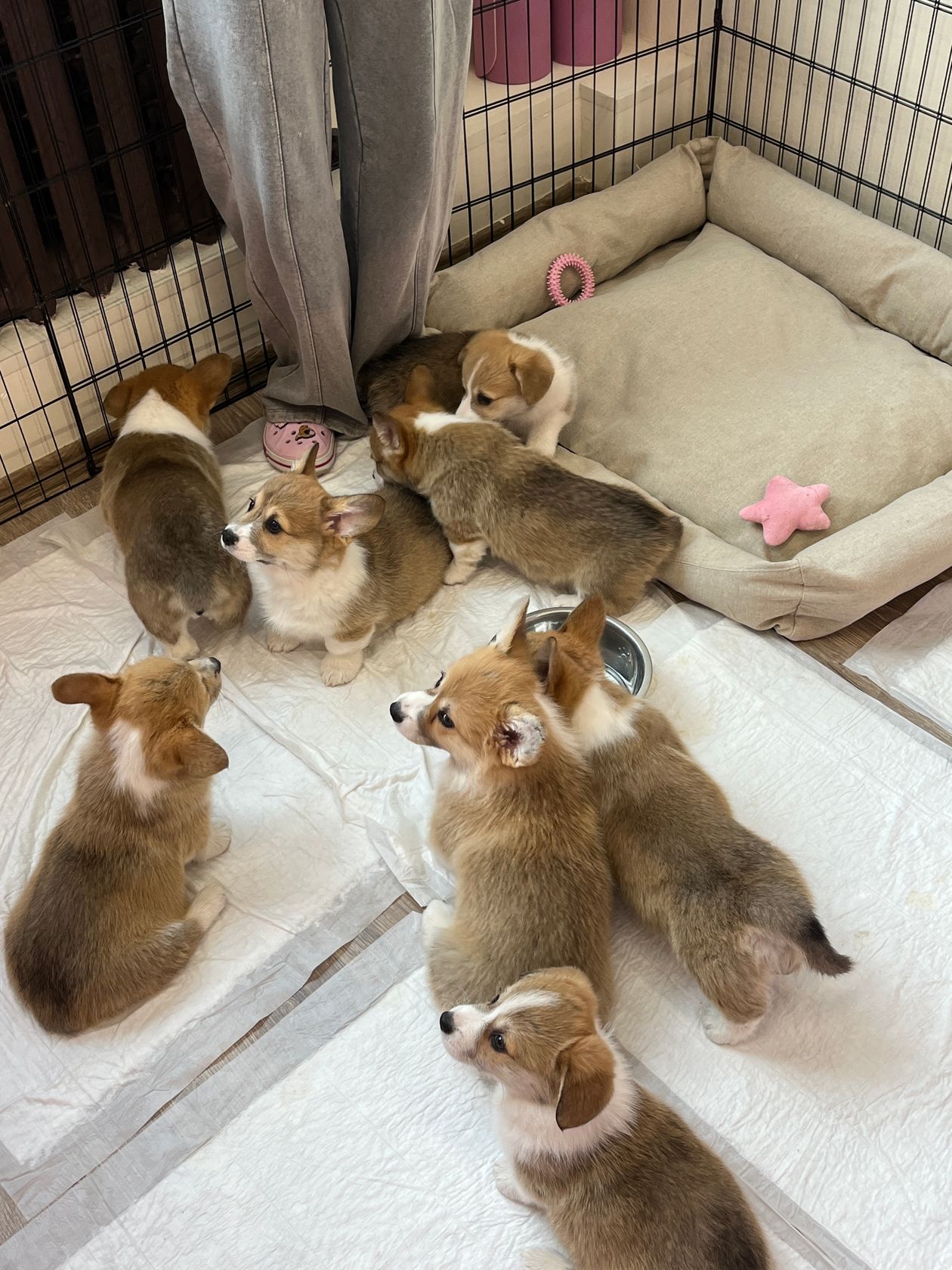
A playpen, sometimes called an exercise pen or “x-pen,” is a set of connected panels that creates an enclosed area indoors or outdoors. It sits between a crate and a gated room: more space than a crate, more containment than a gate. Below we explain who benefits most, how a playpen compares with a crate and gates, how to set one up properly, and the mistakes to avoid.
Who Benefits Most From a Playpen
Here is a quick way to answer do you need a dog playpen based on your situation.
| Situation | Playpen Useful? | Why |
|---|---|---|
| Puppy under 6 months | Very useful | Safe zone for play, naps, and potty training |
| Dog recovering from surgery | Very useful | Limits jumping and running while healing |
| Home with a baby or toddler | Very useful | Separates dog and child when you cannot supervise |
| Small breed in a large home | Useful | Prevents accidents and hiding in unsafe spots |
| Travel and outdoor trips | Useful | Portable boundary at campsites or relatives’ homes |
| Calm, house-trained adult dog | Rarely needed | Already trusted with free access |
Playpen vs Crate vs Gate
Each tool has a different job, and many families use more than one:
- Crate: a small den for sleeping and short rest periods. Best for overnight and for teaching settling.
- Playpen: a larger area for play, toys, water, and a potty pad, used for longer stretches during the day.
- Gate: blocks off parts of the house while giving the dog a whole room or more.
For puppies, a common setup is a playpen with the crate inside, door open, plus a water bowl, toys, and a potty pad in one corner. If you are thinking about gates as well, our guide on whether you need a dog gate covers where they work best. Understanding these differences is central to answering do you need a dog playpen in your home.
Why Playpens Help Puppies
Puppies need a lot of supervision. They chew cords and furniture, have frequent accidents, and can get into dangerous items. A playpen gives them a puppy-proofed space where they can play safely while you cook, work, or take a call. The ASPCA’s general dog care guidance stresses supervision and safe spaces for young dogs, and a playpen makes that much more realistic for busy households.
A playpen also supports house training. Because dogs naturally avoid soiling their sleeping area, a pen with a bed at one end and a potty pad at the other helps a puppy learn where to go. Combined with crate training, it can make the whole process smoother; our guide on how long crate training takes explains how the two fit together.
Choosing the Right Playpen
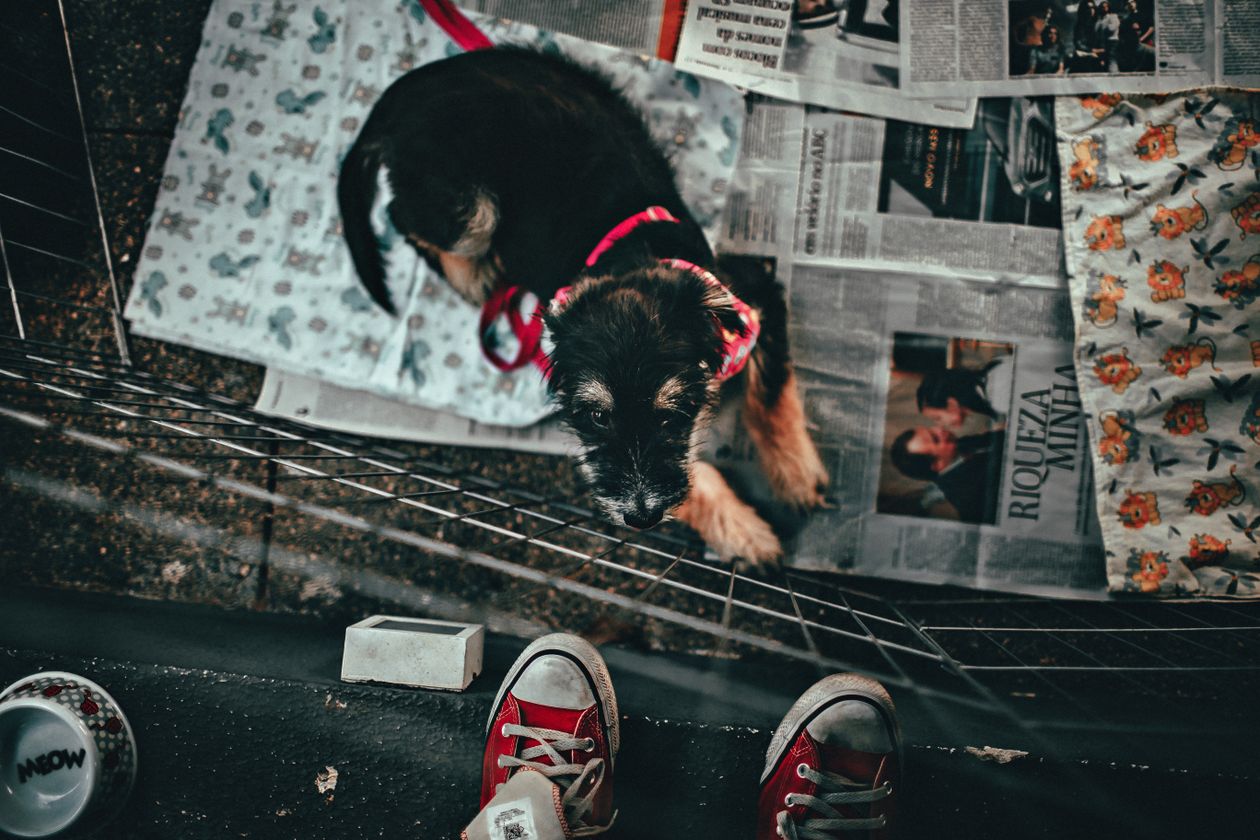
Once you decide do you need a dog playpen for your home, look for:
- Height: tall enough that your dog cannot jump or climb out. Small puppies may be fine with 24 inches; larger or athletic dogs may need 36 to 48 inches.
- Material: metal pens are sturdy and chew-proof; plastic pens are lighter and easier to move; fabric pens are portable but not for chewers.
- Configurable panels: pens that can be arranged into different shapes fit your space better.
- A door with a secure latch: so you can get in and out without lifting the dog over.
- Floor protection: a waterproof mat underneath protects floors from spills and accidents.
- Stability: ground stakes for outdoor use or anchoring clips for indoor use.
How to Set Up a Playpen
- Pick a central spot where your dog can see and hear the family, away from direct heat or drafts.
- Clear the area of cords, plants, and anything chewable within reach of the panels.
- Lay down a waterproof mat, then add a bed at one end and a potty pad at the other for puppies.
- Add water and a few safe chew toys.
- Introduce it gradually with treats and short stays while you are nearby.
How Long Can a Dog Stay in a Playpen?
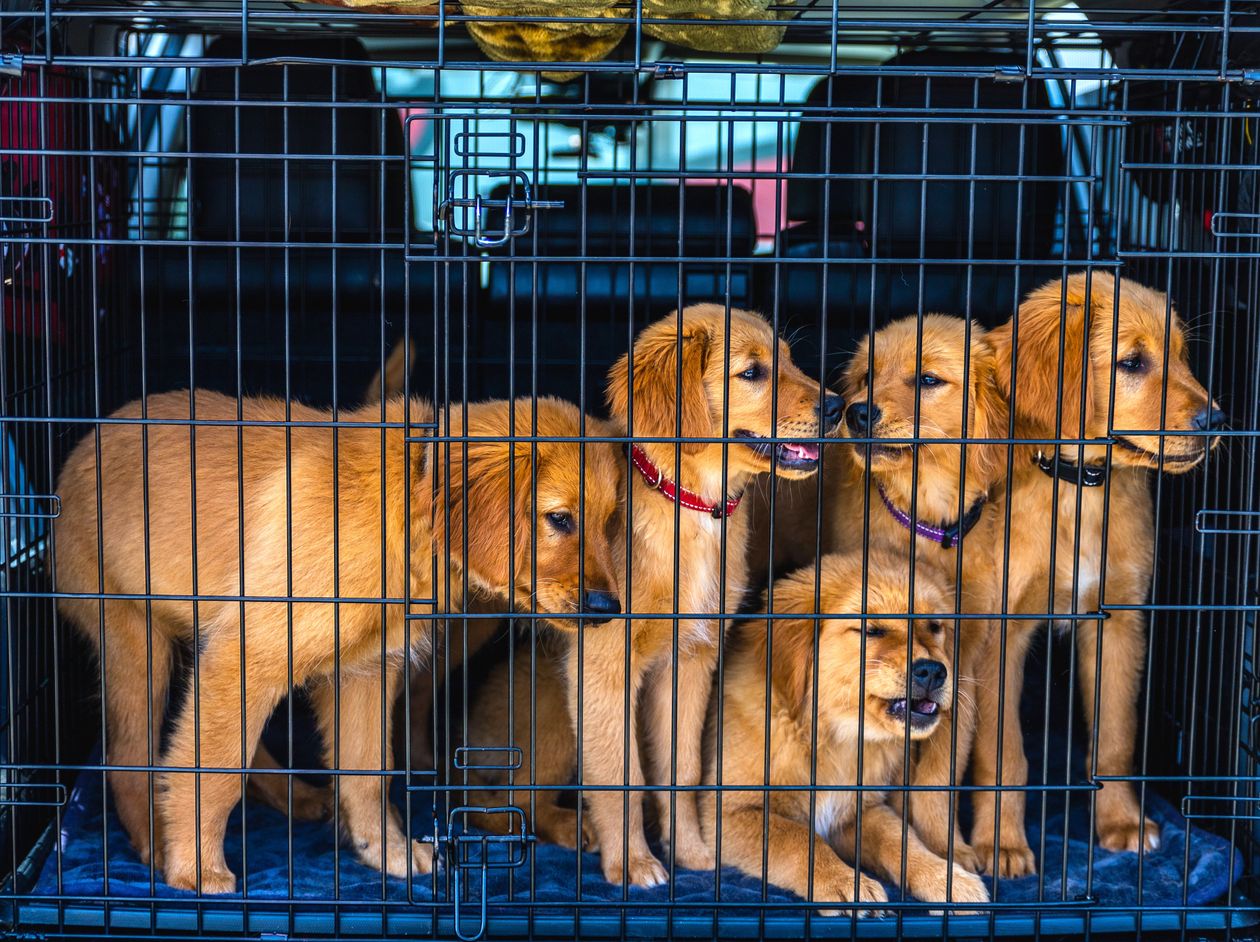
A playpen is a safe space, not a place to leave a dog all day. Puppies need frequent potty breaks, play, and social time, roughly every one to three hours depending on age. Adult dogs should not spend long workdays confined without breaks. If your schedule means long absences, consider a dog walker, pet sitter, or daycare. Asking do you need a dog playpen should always go together with asking how much time your dog will spend in it.
Using a Playpen for Recovery
After surgery, many vets recommend restricting activity for days or weeks. A playpen allows a recovering dog to move around a little, stretch, and change position without running or jumping on furniture. Keep the area quiet, add a supportive bed, and follow your vet’s instructions closely about walks and activity levels. For many owners, this is where the answer to do you need a dog playpen becomes an unexpected yes.
Keeping the Playpen Clean and Comfortable
A playpen gets messy quickly, especially with puppies. Change potty pads as soon as they are used, wipe the waterproof mat daily, and wash bedding and toys every week. Check the panels and latches regularly for loose clips or sharp edges, and make sure water stays fresh and full. Rotating a few chew toys keeps the space interesting so your dog sees it as a pleasant place rather than a boring one. In warm weather, place the pen out of direct sunlight; in cool weather, keep it away from drafty doors and add a warm blanket. A clean, comfortable pen is far more likely to become a spot your dog chooses to rest in on their own.
Common Mistakes to Avoid
- Choosing a pen too short for a jumper or climber
- Placing it in an isolated room where the dog feels shut away
- Using a fabric pen for a determined chewer
- Leaving the dog in the pen for too long without breaks
- Skipping the gradual introduction
A Practical Scenario: Working From Home With a Puppy
Picture someone who works from home and has just brought home a ten-week-old Goldendoodle. During video calls, the puppy chews cables and has accidents behind the sofa. For this household, the answer to do you need a dog playpen is a clear yes: a metal pen in the corner of the home office, with the crate inside as a bed, a potty pad, water, and chew toys. The puppy stays safe and close by, and the owner can take regular breaks for potty trips and play.
Shop This Guide
If this gear makes sense for your pet, these links show current options and prices. Check sizing, materials, and reviews before you buy, and ask your vet if your pet has special needs.
As an Amazon Associate, we earn from qualifying purchases at no extra cost to you.
Frequently Asked Questions
Do you need a dog playpen if you already have a crate?
Not always, but many puppy owners find a playpen useful for longer daytime periods when a crate would be too small.
Can adult dogs use playpens?
Yes, especially small breeds, dogs recovering from surgery, or dogs visiting unfamiliar places.
How big should a dog playpen be?
Big enough for a bed, water, toys, and a potty area, with room for your dog to move around comfortably.
Can I use a playpen outdoors?
Yes, with supervision, shade, water, and ground stakes to keep it stable.
Are playpens cruel?
No, when used for reasonable periods with breaks and positive introductions, they are a safe and comfortable space.
Final Thoughts: Do You Need a Dog Playpen?
Do you need a dog playpen? For puppies, small breeds, dogs recovering from surgery, and homes with babies or toddlers, a playpen is one of the most practical tools available. Calm, house-trained adults rarely need one. Choose a pen tall and sturdy enough for your dog, set it up in a central spot with a bed, water, and toys, introduce it gradually, and always pair it with plenty of breaks, play, and attention.
Sources & Expert References

About the Author
ThePetGearList Team
ThePetGearList is an independent pet-gear site for dog and cat owners. We put each guide together from manufacturer specifications, veterinary and animal-welfare guidance (such as the AVMA and ASPCA), and patterns in verified owner reviews. We use AI writing tools to help draft guides and review every guide before it goes live. We have not hands-on tested every product we mention, so please check the manufacturer's current sizing and safety instructions before you buy, and ask your vet about health questions. Spotted something out of date? Tell us through the Contact page.