- Brushing Schedule by Coat Type
- Why Brushing Matters for Cats
- Cats Who Need More Frequent Brushing
- Choosing the Right Brush
- How to Make Brushing Pleasant
- Dealing With Mats
- Building a Simple Grooming Routine
- Brushing Cats vs Dogs
- Signs You Should Brush More Often
- A Practical Scenario: A Senior Long-Haired Cat
- Shop This Guide
- Frequently Asked Questions
- Final Thoughts: How Often Should You Brush Your Cat?
- Free New Pet Owner Checklist
- Everything you need for your dog or cat's first weeks home — get the free printable checklist.
As an Amazon Associate, we earn from qualifying purchases linked in this post.
How often should you brush your cat? Short-haired cats usually do well with brushing once or twice a week, while long-haired cats such as Persians, Maine Coons, and Ragdolls need brushing every day or at least every other day to prevent mats. Increase brushing during seasonal shedding, for senior or overweight cats who struggle to groom themselves, and for cats prone to hairballs.
Cats are famous self-groomers, so many owners assume they never need help. In reality, regular brushing removes loose hair before it ends up in your cat’s stomach or on your sofa, prevents painful tangles, and gives you a chance to spot skin problems early. Below we cover a schedule by coat type, the right tools, how to make brushing pleasant, and when to call a professional.
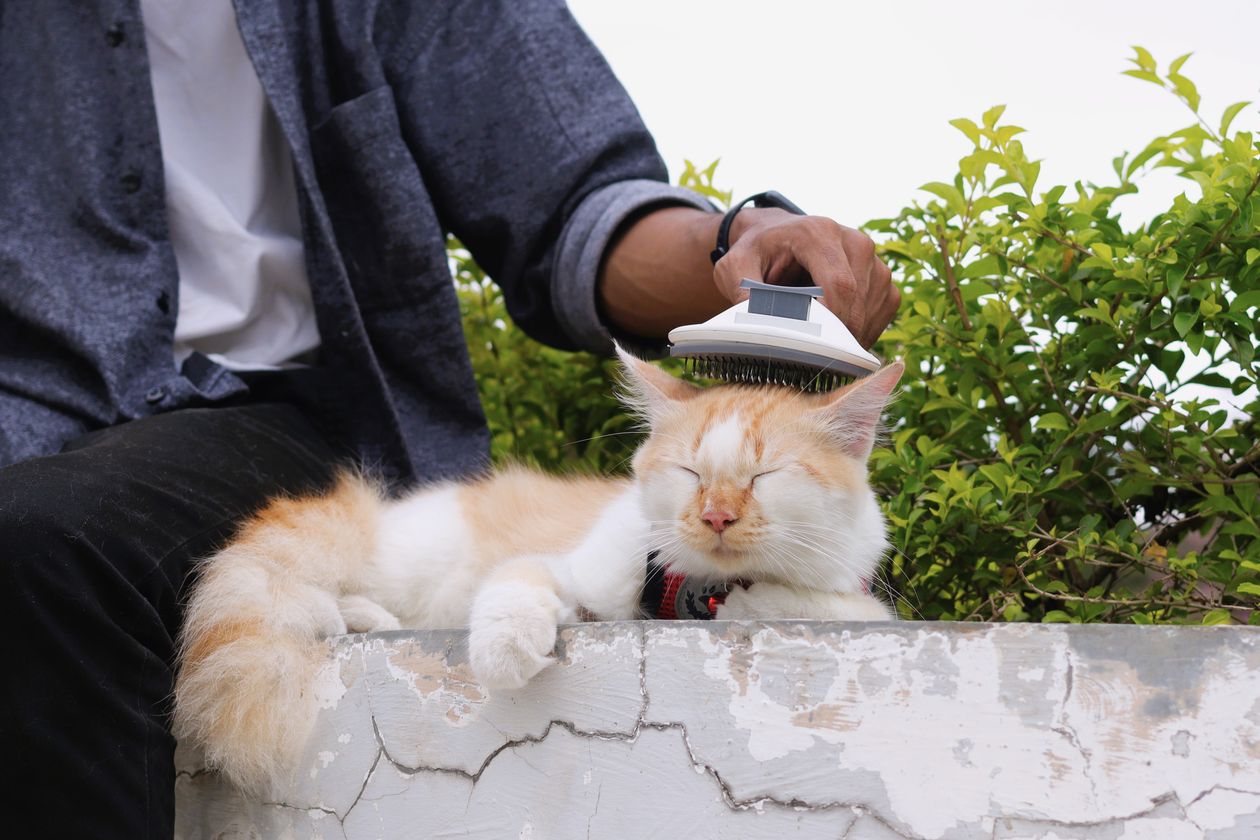
Brushing Schedule by Coat Type
This table gives a practical answer to how often should you brush your cat for different coats.
| Coat Type | Example Breeds | How Often | Best Tools |
|---|---|---|---|
| Short and smooth | Domestic Shorthair, Siamese, Bengal | 1–2 times a week | Rubber grooming mitt, soft bristle brush |
| Short and dense | British Shorthair, Russian Blue | 2–3 times a week | Slicker brush, fine comb |
| Medium-long | Norwegian Forest Cat, Siberian | Every 2–3 days, daily in spring | Wide-tooth comb, undercoat rake |
| Long and silky | Persian, Himalayan, Ragdoll, Maine Coon | Daily | Wide- and fine-tooth combs, slicker brush |
| Hairless | Sphynx | No brushing; weekly gentle wipe or bath | Soft cloth |
Why Brushing Matters for Cats
Every time your cat grooms, tiny barbs on the tongue pull out loose hair, much of which is swallowed. Too much swallowed hair can lead to hairballs, vomiting, and occasionally digestive blockages. Brushing removes that hair first. It also spreads natural skin oils, keeps the coat shiny, prevents mats that pull painfully on the skin, and lets you check for fleas, lumps, scabs, or sore spots. The ASPCA’s cat grooming tips recommend regular brushing for all cats, and more frequent brushing for long-haired breeds. That is why how often should you brush your cat is worth thinking about even if your cat seems tidy.
Cats Who Need More Frequent Brushing
Coat type sets the baseline, but some cats need extra help. Adjust how often should you brush your cat if your cat is:
- A senior: older cats often groom less because of stiffness or arthritis, especially along the back and hips.
- Overweight: cats who cannot easily reach their back and rear end may develop mats and greasy fur there.
- Prone to hairballs: daily brushing during heavy shedding can noticeably reduce hairball episodes.
- Shedding seasonally: spring and autumn sheds can double the amount of loose fur.
- Recovering from illness: sick cats often stop grooming, which is a sign worth mentioning to your vet.
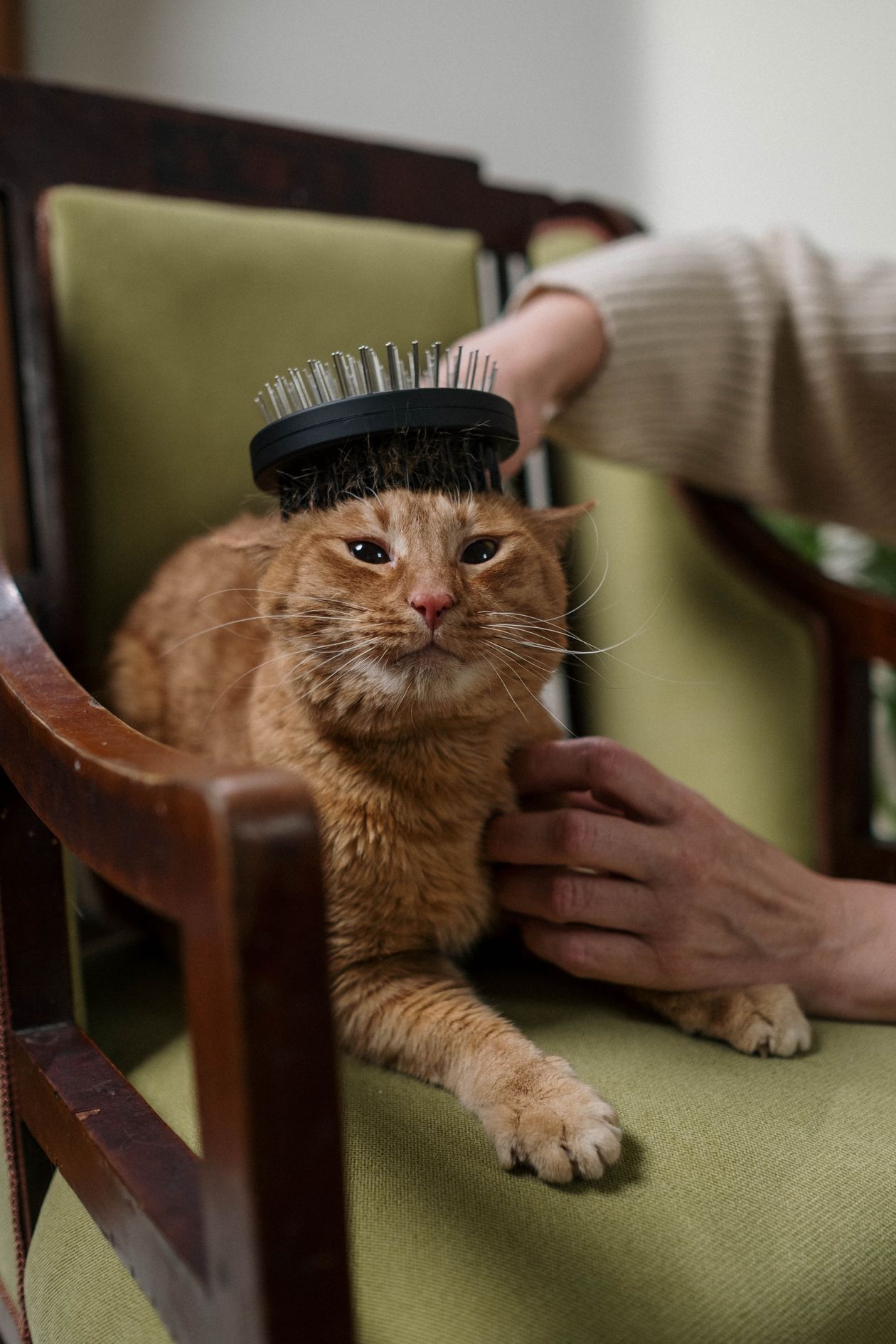
Choosing the Right Brush
The right tool makes brushing faster and more comfortable:
- Rubber grooming mitts: gentle and great for short-haired cats who dislike brushes.
- Slicker brushes: fine wire bristles remove loose undercoat; use a light touch.
- Metal combs: essential for long-haired cats to find and work out small tangles.
- Undercoat rakes or deshedding tools: useful during heavy shedding, used sparingly to avoid irritating the skin.
Our roundup of the best pet grooming brushes compares tools for different coat types.
How to Make Brushing Pleasant
- Pick a relaxed moment, such as after a meal or when your cat is drowsy.
- Start with favorite spots, usually the cheeks, chin, and back.
- Keep sessions short, a few minutes at first, and stop before your cat gets annoyed.
- Brush in the direction the fur grows, using light strokes.
- Work on tangles gently, holding the fur at the base so you do not pull the skin.
- Reward with treats and praise so brushing becomes a positive routine.
Watch for warning signs like a twitching tail, flattened ears, or skin rippling along the back. Those mean it is time to stop and try again later.

Dealing With Mats
Mats are the main reason people search for how often should you brush your cat. Small tangles can often be teased apart with fingers and a wide-tooth comb. Never cut mats out with scissors, because cat skin is thin and easy to cut. Large or tight mats close to the skin are best handled by a professional groomer or your veterinarian, who may shave the area safely. Regular brushing is the best prevention, which is why long-haired cats really do benefit from daily attention.
Building a Simple Grooming Routine
Once you know how often should you brush your cat, the easiest way to stick with it is to attach brushing to something you already do. Many owners brush after the evening meal, when cats are relaxed and sleepy, or during a regular TV show. Keep the brush and comb in the same spot so they are always within reach. For long-haired cats, a quick daily comb-through of the “trouble spots” behind the ears, under the legs, and around the back end takes only two or three minutes and prevents most mats.
Use brushing time to check the rest of your cat as well. Look at the ears for dirt or redness, glance at the teeth and gums, feel along the body for lumps, and check the claws. Catching small issues early often saves a stressful vet visit later. Over time, many cats begin to look forward to this calm, one-on-one attention, and some will even come to you when they see the brush.
Brushing Cats vs Dogs
If you have both cats and dogs, you might notice the routines are similar but not identical. Cats generally need less frequent brushing than many long-coated dogs and are more sensitive to pressure, so sessions should be shorter and gentler. Our guide on how often you should brush your dog explains the dog side of the routine.
Signs You Should Brush More Often
Your cat’s coat will tell you if the current schedule is working. Consider increasing how often should you brush your cat if you notice small knots behind the ears or under the legs, clumps of fur on furniture, more frequent hairballs, a greasy or dull coat along the back, or dandruff-like flakes. If you see bald patches, scabs, or constant scratching, talk to your veterinarian, as these can signal fleas, allergies, or skin infections.
A Practical Scenario: A Senior Long-Haired Cat
Picture a 13-year-old Maine Coon who used to keep her coat perfect but now has small mats along her lower back and coughs up hairballs every week. Arthritis makes it hard for her to reach those areas. For this cat, the answer to how often should you brush your cat is daily, with short, gentle sessions using a wide-tooth comb and a soft slicker brush, plus a vet check for joint pain. Within a few weeks, the mats are gone and hairballs become far less frequent.
Shop This Guide
If this gear makes sense for your pet, these links show current options and prices. Check sizing, materials, and reviews before you buy, and ask your vet if your pet has special needs.
Want our top picks? Read our guide to the best pet grooming brush.
As an Amazon Associate, we earn from qualifying purchases at no extra cost to you.
Frequently Asked Questions
How often should you brush your cat if it is short-haired?
Once or twice a week is usually enough, with extra sessions during spring and autumn shedding.
Can you brush a cat too much?
Brushing too hard or too long can irritate the skin. Use gentle strokes and keep sessions short.
Does brushing reduce hairballs?
Yes. Removing loose fur means your cat swallows less while grooming, which can reduce hairballs.
What if my cat hates being brushed?
Try a rubber grooming mitt, very short sessions, and lots of treats. Brush only favorite areas at first and build up slowly.
Should I bathe my cat as well?
Most cats rarely need baths. Regular brushing usually keeps the coat clean.
Final Thoughts: How Often Should You Brush Your Cat?
How often should you brush your cat? Once or twice a week for short-haired cats, every few days for medium coats, and daily for long-haired breeds, with extra sessions during shedding season and for seniors or overweight cats. Use the right tools, keep sessions short and positive, and leave severe mats to a professional. A few minutes of brushing keeps your cat’s coat healthy, reduces hairballs, and strengthens your bond.
Sources & Expert References

About the Author
ThePetGearList Team
ThePetGearList is an independent pet-gear site for dog and cat owners. We put each guide together from manufacturer specifications, veterinary and animal-welfare guidance (such as the AVMA and ASPCA), and patterns in verified owner reviews. We use AI writing tools to help draft guides and review every guide before it goes live. We have not hands-on tested every product we mention, so please check the manufacturer's current sizing and safety instructions before you buy, and ask your vet about health questions. Spotted something out of date? Tell us through the Contact page.