- Quick Answer: Restraint Options Compared
- Why Restraining Your Dog Matters
- How Dog Seat Belts Work
- What “Crash-Tested” Means
- How to Use a Dog Seat Belt Safely
- Seat Belt vs. Crate: Which Is Safer?
- Getting Your Dog Used to Riding Restrained
- Protecting Your Car Too
- Long Trips and Road Safety Tips
- Choosing the Right Harness and Tether
- Common Mistakes to Avoid
- Shop This Guide
- A Practical Scenario: The Sudden Stop
- Frequently Asked Questions
- Final Thoughts: Do You Need a Dog Seat Belt?
- Free New Pet Owner Checklist
- Everything you need for your dog or cat's first weeks home — get the free printable checklist.
As an Amazon Associate, we earn from qualifying purchases linked in this post.
Do you need a dog seat belt? Yes, if your dog rides loose in the car, some form of restraint is strongly recommended. A crash-tested dog seat belt attached to a harness, a secured crate, or a travel carrier protects your dog in a sudden stop or collision, keeps them from distracting you while driving, and protects human passengers too. An unrestrained dog can be thrown forward with tremendous force even in a low-speed crash.
A seat belt is not the only option, and not every product on the market is equally safe. Below we explain why restraint matters, how seat belts compare with crates and carriers, what crash testing means, how to use a seat belt correctly, and which mistakes to avoid, so you can choose the safest setup for your dog and your car.
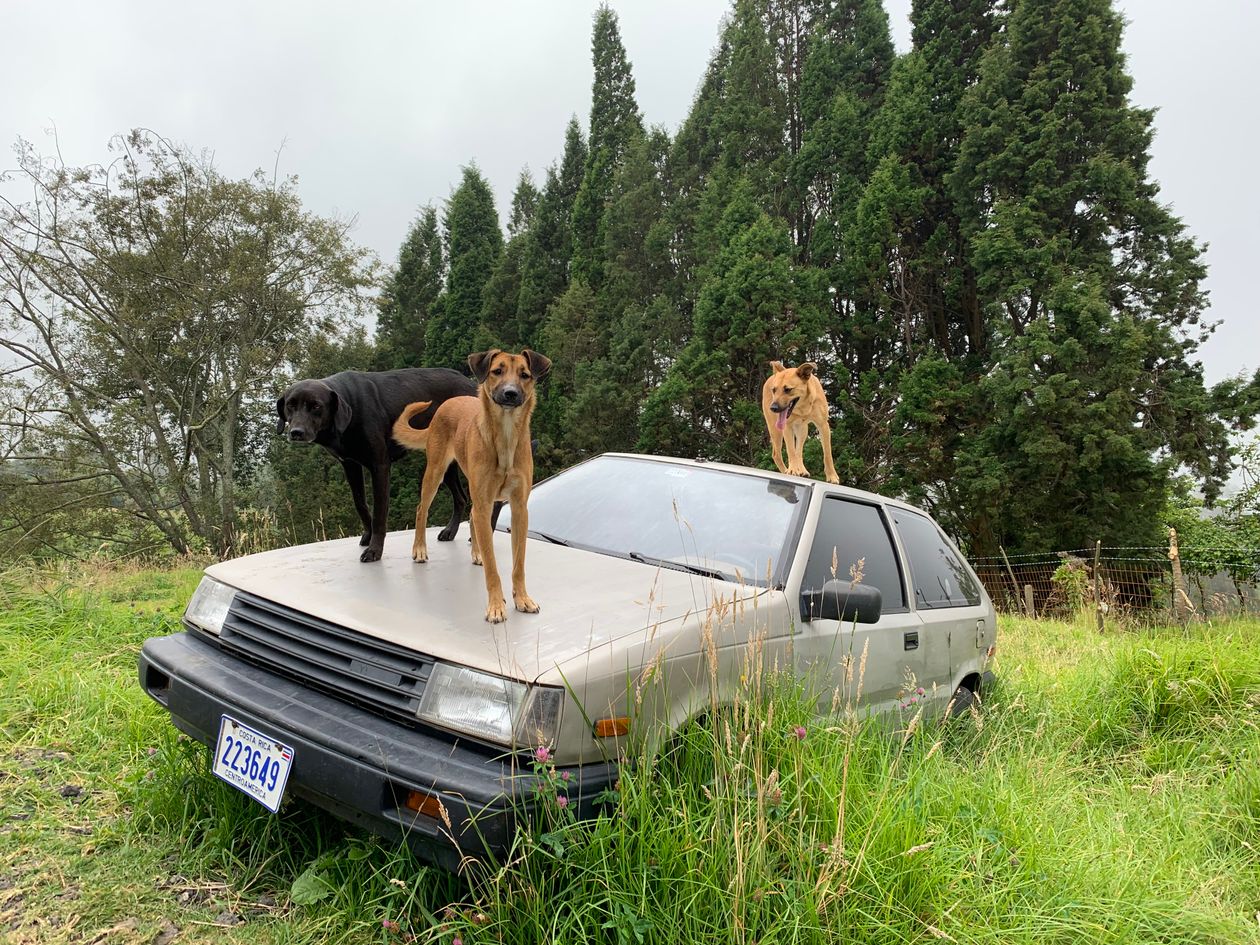
Quick Answer: Restraint Options Compared
This table gives a quick answer to do you need a dog seat belt or a different restraint.
| Option | Best For | Pros | Cons |
|---|---|---|---|
| Seat belt tether + crash-tested harness | Most dogs riding in the back seat | Affordable, easy to use | Must use a harness, never a collar |
| Secured crash-tested crate | Dogs in SUVs and wagons | Highest protection when anchored | Expensive, bulky |
| Secured carrier | Small dogs and cats | Contains pet fully | Must be strapped in |
| Booster seat with tether | Small dogs who like to see out | Comfort and view | Few are crash-tested |
| Cargo barrier | Large dogs in cargo area | Prevents dog entering cabin | Does not restrain the dog itself |
Why Restraining Your Dog Matters
In a crash or sudden stop, an unrestrained dog keeps moving at the car’s speed. A 60-pound dog in a 35 mph collision can hit with a force of over a ton, injuring themselves and anyone in their path. Loose dogs can also escape through broken windows or open doors after an accident and run into traffic.
Even without a crash, a dog climbing into the front seat, licking your face, or blocking your view is a real distraction. These risks are why the short answer to do you need a dog seat belt or other restraint is yes for nearly every dog.
Some states and countries have laws about unrestrained pets in vehicles or include them in distracted-driving rules. Even where there is no specific law, a loose dog can lead to a ticket if it interferes with driving.
How Dog Seat Belts Work
A dog seat belt is a short tether that connects to your car’s seat belt buckle, the seat belt webbing, or the child-seat anchor points, and clips to your dog’s harness. It limits how far your dog can move, keeping them on the seat and away from the driver. The key is that it must attach to a sturdy, well-fitted harness, never to a collar, which could injure the neck or cause strangulation in a sudden stop.
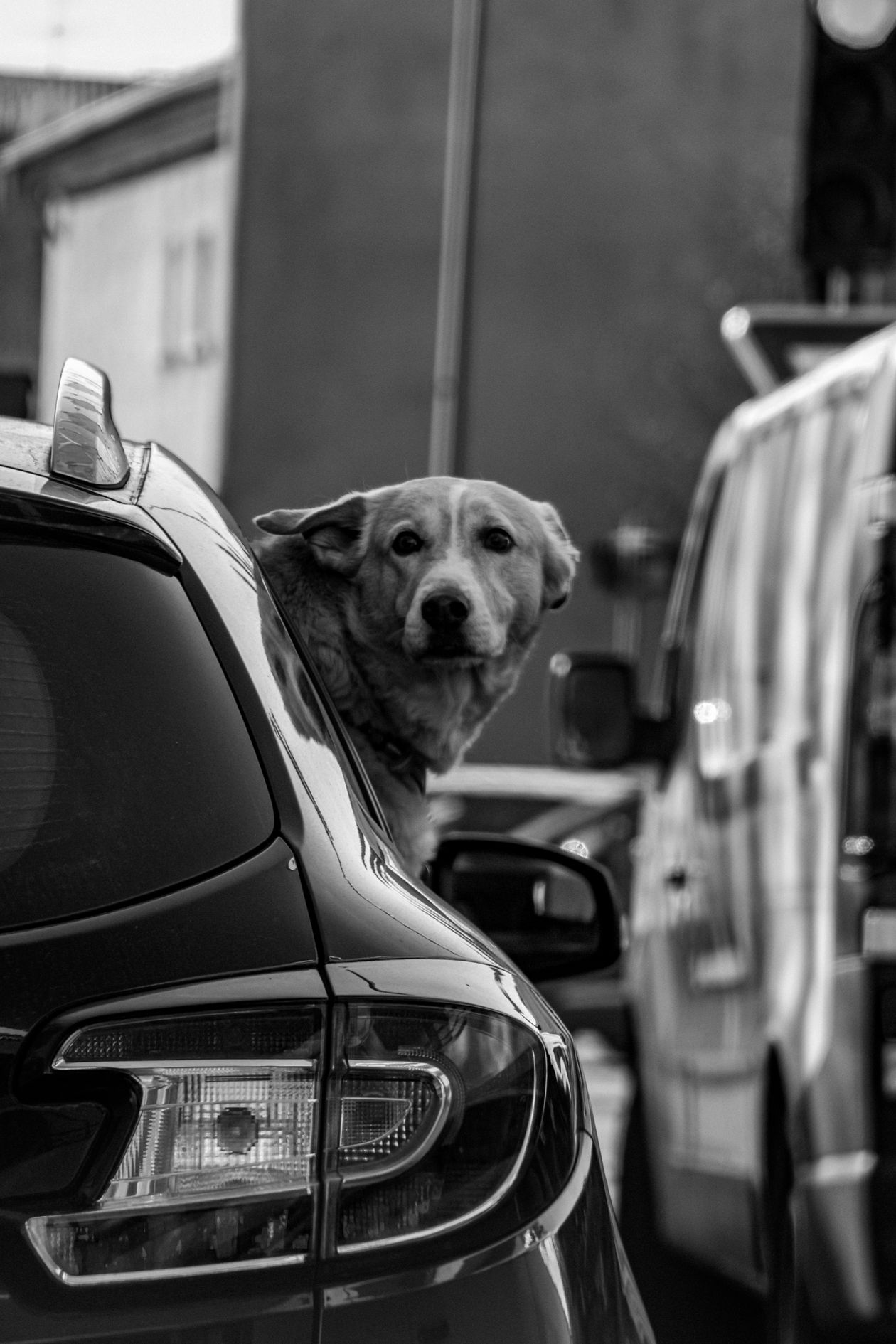
What “Crash-Tested” Means
Many products claim to be safe, but few have been tested in real crash conditions. Independent testing by the Center for Pet Safety has shown that some harnesses and tethers fail badly under crash forces, while others perform well. Look for products that have passed independent crash testing, ideally certified by a recognized organization, rather than relying on a “tested” label alone. Crash-tested harnesses usually have thicker webbing, metal hardware, and padded chest plates that spread force.
How to Use a Dog Seat Belt Safely
- Always use a harness, never a collar.
- Keep the tether short so your dog can sit and lie down but not reach the front seats or fall off the seat.
- Use the back seat; front airbags can seriously injure dogs.
- Check the fit of the harness before every trip.
- Attach to the strongest point recommended by the manufacturer, such as the child-seat anchor.
- Never leave your dog tethered alone in a parked car.
Seat Belt vs. Crate: Which Is Safer?
A crash-tested crate that is properly anchored in the cargo area is generally considered the most protective option, especially for larger dogs and long trips. But crates are expensive, heavy, and do not fit every vehicle. A crash-tested harness with a short tether is a practical, affordable choice for most dogs riding in the back seat. For small dogs and cats, a secured carrier strapped in with the seat belt works well. Comparing these options helps you decide do you need a dog seat belt or a crate for your car and your dog.
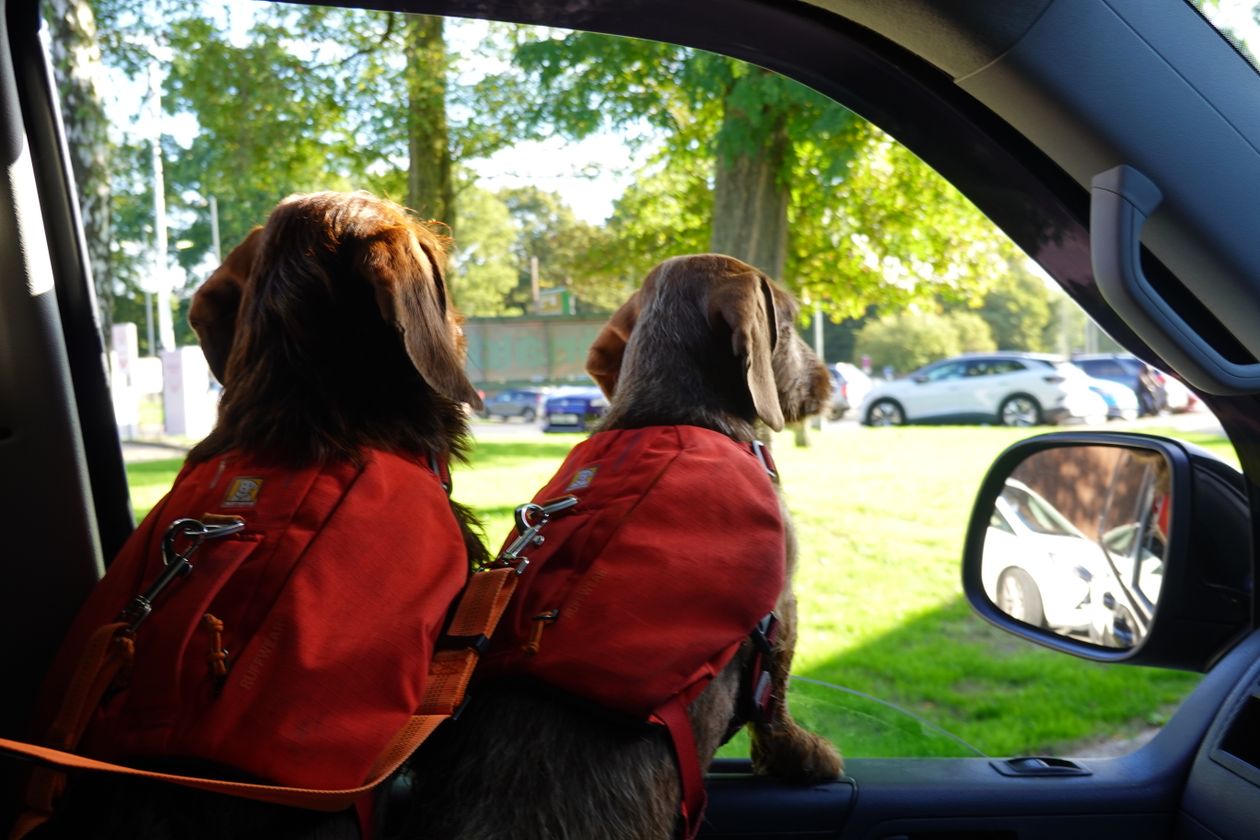
Getting Your Dog Used to Riding Restrained
Dogs used to roaming the car may resist being clipped in at first. Start with short practice sessions in a parked car: put on the harness, clip the tether, offer treats and praise, then unclip. Next, take short drives around the block before longer trips. Bring a familiar blanket and a chew toy to keep your dog relaxed. Most dogs settle quickly once they realize car rides still lead to fun destinations.
Protecting Your Car Too
A seat belt keeps your dog in one place, which also keeps hair, mud, and scratches contained to one area. Pairing a seat belt with a waterproof seat cover protects upholstery and gives your dog a non-slip surface. Our guide on whether you need a dog car seat cover explains the benefits, and our picks for the best dog car seat covers include options with seat belt openings.
Long Trips and Road Safety Tips
On long drives, stop every two to three hours for water, a potty break, and a short walk, and always clip the leash on before opening the car door. Never let your dog ride with their head out of the window, as debris can injure their eyes and ears and they could fall or jump out.
Keep the car well ventilated, and never leave your dog alone in a parked car, especially in warm weather, when temperatures inside can become dangerous within minutes. Planning ahead is part of answering do you need a dog seat belt for road trips as well as daily errands.
Choosing the Right Harness and Tether
A good car harness fits snugly around the chest, with padded straps and strong metal buckles. Measure your dog’s chest girth and compare it with the size chart. The tether should be adjustable and short, with a strong clip and a secure connector that fits your car. Some walking harnesses double as car harnesses, but many are not built for crash forces, so check before relying on one. For most owners, getting the harness right is the most important step after deciding do you need a dog seat belt.
Common Mistakes to Avoid
- Attaching the tether to a collar.
- Using a long tether that lets the dog fall into the footwell or reach the front.
- Letting dogs ride in the front seat near an airbag.
- Relying on untested products with plastic buckles.
- Letting dogs ride in the open bed of a pickup truck.
Shop This Guide
If you decide this gear is right for your pet, these links show current options and prices. Check reviews, sizing, and materials before you buy.
- Crash-tested dog car harnesses on Amazon →
- Dog seat belt tethers on Amazon →
- Dog travel crates on Amazon →
Want our top picks? Read our guide to the best dog car seat cover.
As an Amazon Associate, we earn from qualifying purchases at no extra cost to you.
A Practical Scenario: The Sudden Stop
Imagine a beagle who always rode loose on the back seat. One day a car pulls out in front of his owner, and a hard brake sends him tumbling into the footwell, shaken but unhurt. That weekend his owner buys a crash-tested harness and a short seat belt tether, practices in the driveway, and never drives with him loose again. For her, the answer to do you need a dog seat belt became an easy yes.
Frequently Asked Questions
Do you need a dog seat belt?
Yes, some form of restraint, such as a seat belt with a harness, a secured crate, or a carrier, is strongly recommended.
Can I attach a dog seat belt to a collar?
No, always attach it to a well-fitted harness to avoid neck injury.
Is it safe for dogs to ride in the front seat?
No, airbags can seriously injure dogs. Use the back seat or cargo area.
Are dog seat belts crash-tested?
Some are. Look for independent crash-test certification.
Final Thoughts: Do You Need a Dog Seat Belt?
Do you need a dog seat belt? If your dog rides loose, yes, or another secure restraint such as an anchored crate or carrier. Choose crash-tested products, always attach to a harness, keep the tether short, keep your dog in the back, and practice short trips first. A few minutes of setup can protect your dog, your passengers, and you.
Sources & Expert References

About the Author
ThePetGearList Team
ThePetGearList is an independent pet-gear site for dog and cat owners. We put each guide together from manufacturer specifications, veterinary and animal-welfare guidance (such as the AVMA and ASPCA), and patterns in verified owner reviews. We use AI writing tools to help draft guides and review every guide before it goes live. We have not hands-on tested every product we mention, so please check the manufacturer's current sizing and safety instructions before you buy, and ask your vet about health questions. Spotted something out of date? Tell us through the Contact page.