- Quick Answer: Who Benefits Most
- Why Dogs Need a Bed
- Health Benefits
- Types of Dog Beds
- How to Choose the Right Size
- Where to Put a Dog Bed
- What If My Dog Sleeps on My Bed or the Floor?
- Helping Your Dog Use a New Bed
- Keeping the Bed Clean and Fresh
- Beds for Puppies and Chewers
- Budget and Value
- Common Mistakes to Avoid
- Shop This Guide
- A Practical Scenario: The Stiff Senior
- Quick Recap
- Frequently Asked Questions
- Final Thoughts: Do Dogs Need a Bed?
- Free New Pet Owner Checklist
- Everything you need for your dog or cat's first weeks home — get the free printable checklist.
As an Amazon Associate, we earn from qualifying purchases linked in this post.
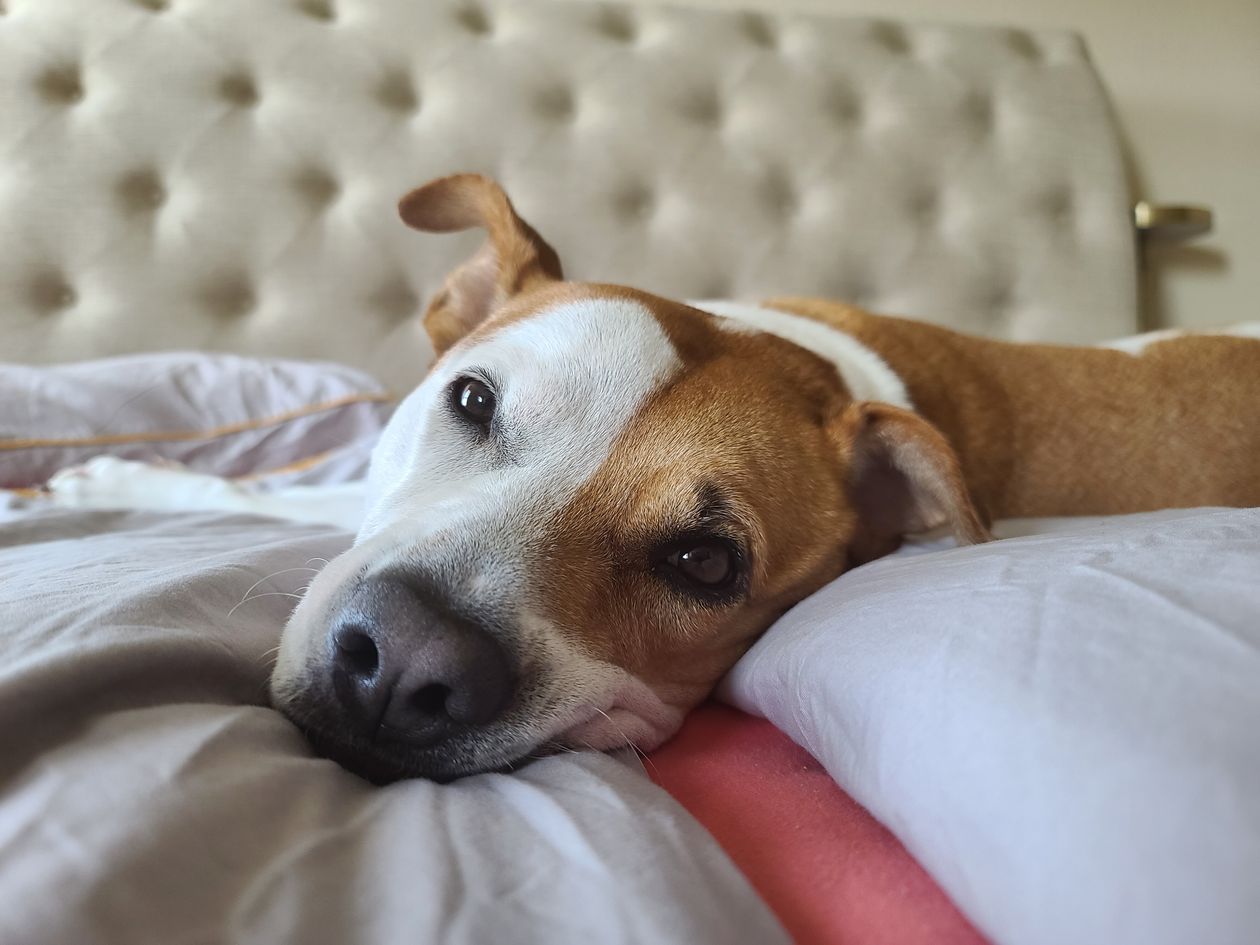
Do dogs need a bed? Yes, most dogs benefit from a bed of their own. A good dog bed supports joints, cushions pressure points, keeps your dog off cold or hard floors, and gives them a safe, personal place to rest. Dogs sleep 12 to 14 hours a day on average, and puppies and seniors sleep even more, so where they sleep has a real impact on comfort and health.
Some dogs share your bed or sofa, and others choose the coolest tile floor in summer. That is fine, but a dedicated bed still matters, especially for large breeds, older dogs, and dogs with joint problems. Below we explain why beds matter, the main types, how to choose the right size, where to place a bed, and how to help a dog who will not use one.
Quick Answer: Who Benefits Most
This table gives a quick answer to do dogs need a bed for different dogs.
| Dog Type | Bed Importance | Best Bed Type |
|---|---|---|
| Senior dogs | Very high | Orthopedic memory foam |
| Large and giant breeds | Very high | Thick orthopedic or elevated |
| Dogs with arthritis or hip dysplasia | Very high | Orthopedic with low entry |
| Puppies | High | Durable, washable, chew-resistant |
| Small dogs who feel cold | High | Bolster or cave bed |
| Healthy adult dogs | Moderate to high | Any supportive bed they like |
Why Dogs Need a Bed
Hard floors put pressure on elbows, hips, and shoulders. Over time, large dogs that lie on hard surfaces can develop calluses and pressure sores on their elbows, and dogs with arthritis can wake up stiff and sore. A supportive bed spreads their weight evenly and keeps them warm and dry, away from drafts.
Beds also give dogs a sense of security: having a personal space they can retreat to when the house is busy helps many dogs relax. That combination of physical comfort and emotional security is why the answer to do dogs need a bed is yes for most dogs.
Health Benefits
- Joint support for arthritis, hip dysplasia, and aging joints.
- Fewer pressure sores and elbow calluses in large breeds.
- Better temperature control, warmer in winter or cooler with elevated beds in summer.
- Better sleep quality, which supports behavior and overall health.
- Cleaner home, since hair and dirt collect on a washable bed instead of furniture.
Types of Dog Beds
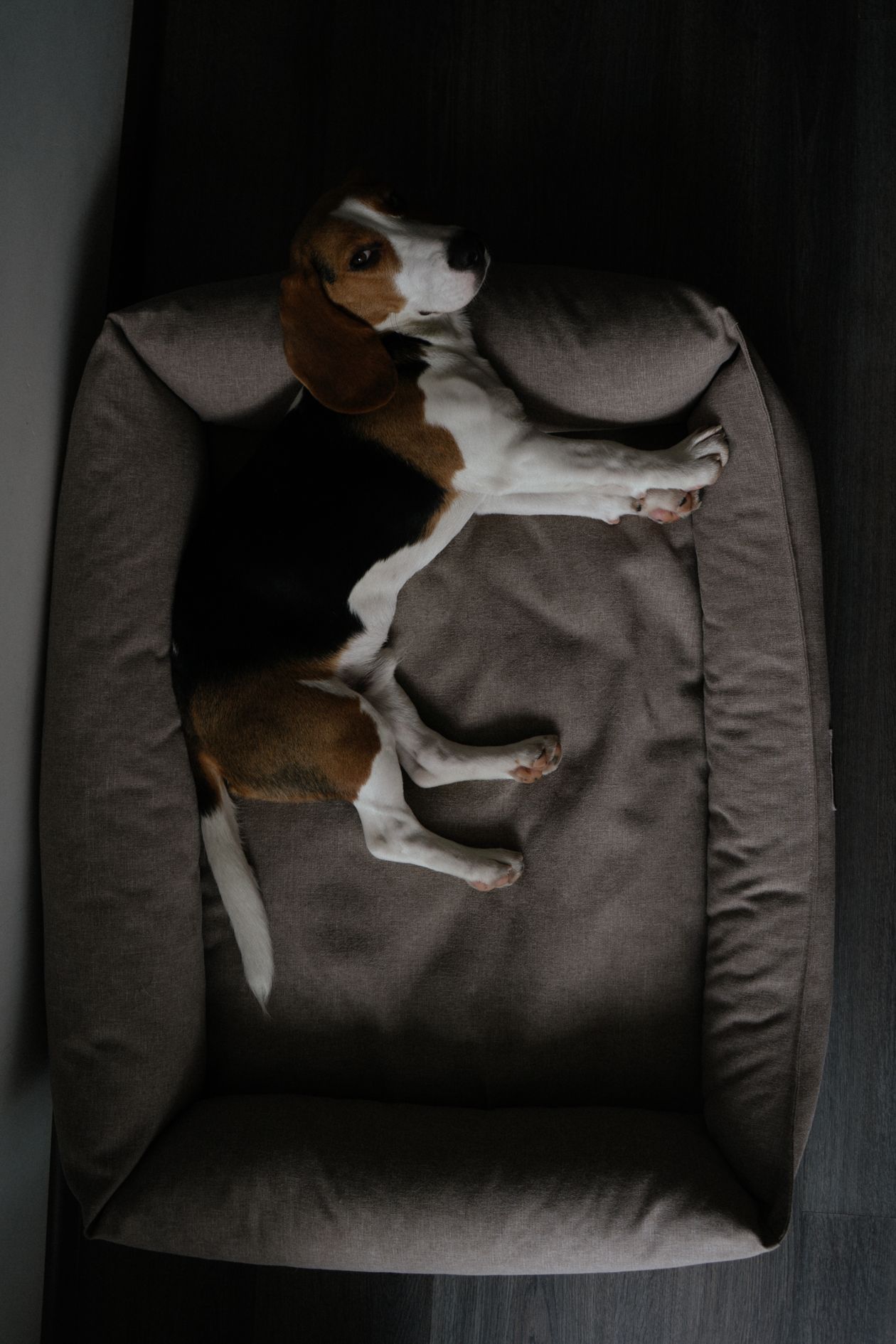
Different beds suit different dogs. Orthopedic memory foam beds are best for seniors and large breeds. Bolster beds have raised edges for dogs who like to curl up and rest their heads. Cave or hooded beds suit small dogs and dogs who burrow. Elevated cot-style beds keep dogs cool and off damp ground, which is great for hot climates and outdoor use. Flat mats are easy to wash and move, and work well in crates.
| Type | Best For | Pros | Cons |
|---|---|---|---|
| Orthopedic foam | Seniors, large breeds | Excellent joint support | Heavier, pricier |
| Bolster | Curlers and leaners | Headrest, cozy | Less space for stretchers |
| Cave or hooded | Small, cold, burrowing dogs | Warm, secure | Can be too warm in summer |
| Elevated cot | Hot climates, outdoors | Cool, durable | Less cushioning |
| Flat mat | Crates, travel | Easy to wash | Little support |
How to Choose the Right Size
Measure your dog while they sleep in their usual position. For dogs who stretch out, measure from nose to the base of the tail and add 8 to 12 inches. For dogs who curl up, a round or bolster bed slightly larger than their curled size works well. The bed should let your dog lie in their favorite position without hanging over the edges. When in doubt, size up, especially for growing puppies or dogs who sprawl. Our guide to the best dog beds compares sizes and support levels.
Where to Put a Dog Bed
Place the bed in a quiet spot where your dog can still feel connected to the family, such as a corner of the living room or bedroom. Avoid drafty doorways, direct heat sources, and busy walkways. Many dogs appreciate two beds: one in the main living area for daytime naps and one in the bedroom for night. Some owners also keep a mat in the crate or car. Thinking about placement is part of answering do dogs need a bed in more than one room.

What If My Dog Sleeps on My Bed or the Floor?
Sharing your bed is a personal choice, and many dogs and owners enjoy it. Even so, a dog bed gives your dog a place of their own during the day, when you are away, or if they get too warm at night. Dogs who choose cool floors in summer may prefer an elevated cot or a cooling mat. If your dog ignores a new bed, it may be the wrong size, too warm, too soft, or in the wrong place. Experiment before deciding that your dog does not need one.
Helping Your Dog Use a New Bed
Put the bed where your dog already likes to rest, add a blanket or T-shirt that smells like you, and reward your dog with treats and praise when they step onto it or lie down. You can also teach a “go to bed” cue, which is helpful when guests arrive. Give it a week or two; many dogs warm up to a bed once it smells familiar. Patience usually settles do dogs need a bed in favor of the bed.
Keeping the Bed Clean and Fresh
Dog beds collect hair, dander, dirt, and bacteria. Choose a bed with a removable, machine-washable cover, and wash it every one to two weeks, or more often for dogs with allergies. Vacuum the bed between washes. Our guide on how often to wash a dog bed explains a simple routine. Replace the bed when the foam flattens, the fabric tears, or odors no longer wash out; see how often to replace a dog bed for signs.
Beds for Puppies and Chewers
Puppies often chew and have accidents, so start with an inexpensive, washable bed or crate mat, and upgrade once they are older and house-trained. For dogs who destroy beds, look for chew-resistant fabric, hidden zippers, and elevated cot designs with tough mesh. Never leave a dog alone with a bed they are actively shredding, since swallowed foam and fabric can cause blockages.
Budget and Value
Dog beds range from inexpensive mats to premium orthopedic models. For young, healthy dogs, a mid-range washable bed is usually enough. For seniors, large breeds, and dogs with joint problems, investing in high-density foam pays off in comfort and durability, since cheap foam flattens quickly. When people ask do dogs need a bed that costs a lot, the honest answer is that support matters more than price, so look at foam density and cover quality rather than brand names.
Common Mistakes to Avoid
- Buying a bed that is too small.
- Choosing thin, flat beds for seniors or large breeds.
- Placing the bed in a drafty or noisy spot.
- Skipping regular washing.
- Keeping a flattened bed long after it has stopped supporting your dog.
Shop This Guide
If you decide this gear is right for your pet, these links show current options and prices. Check reviews, sizing, and materials before you buy.
Want our top picks? Read our guide to the best dog bed.
As an Amazon Associate, we earn from qualifying purchases at no extra cost to you.
A Practical Scenario: The Stiff Senior
Imagine a ten-year-old German shepherd who has always slept on the kitchen tiles and now gets up slowly and stiffly in the morning. His owners buy a thick orthopedic memory foam bed with a low entry and place it in his favorite corner with an old sweatshirt on top. Within a week he sleeps on it every night and moves more easily in the mornings. For them, the answer to do dogs need a bed was a clear yes.
Quick Recap
So, do dogs need a bed? For comfort, joint health, and security, most do. If you are still wondering do dogs need a bed when they already nap on the sofa, remember that a bed gives them a space that is entirely their own.
Vets and trainers who are asked do dogs need a bed usually say yes, especially for large breeds and seniors. Ask yourself do dogs need a bed in more than one room, and you may find a second spot helps your dog settle anywhere in the house.
Frequently Asked Questions
Do dogs need a bed?
Most dogs benefit from one for joint support, warmth, and a secure personal space.
Is it bad for dogs to sleep on the floor?
Healthy young dogs can, but hard floors can cause pressure sores and stiffness, especially in large and senior dogs.
What kind of bed is best for an older dog?
An orthopedic memory foam bed with a low entry.
How many beds should a dog have?
One is enough, but many dogs enjoy a second bed in another room.
Final Thoughts: Do Dogs Need a Bed?
Do dogs need a bed? For most dogs, yes. A supportive, properly sized bed protects joints, keeps your dog warm and comfortable, and gives them a safe place to rest. Choose the type that suits your dog’s sleeping style and age, place it in a quiet spot, wash it regularly, and replace it once it stops providing support.
Sources & Expert References

About the Author
ThePetGearList Team
ThePetGearList is an independent pet-gear site for dog and cat owners. We put each guide together from manufacturer specifications, veterinary and animal-welfare guidance (such as the AVMA and ASPCA), and patterns in verified owner reviews. We use AI writing tools to help draft guides and review every guide before it goes live. We have not hands-on tested every product we mention, so please check the manufacturer's current sizing and safety instructions before you buy, and ask your vet about health questions. Spotted something out of date? Tell us through the Contact page.