- Quick Answer: Collar Needs by Lifestyle
- Why a Collar Helps
- The Risks and Why Breakaway Collars Matter
- Collar vs. Microchip
- How to Fit a Cat Collar
- Helping Your Cat Get Used to a Collar
- What to Put on the ID Tag
- Bells, GPS Trackers, and Other Add-Ons
- Indoor Cats and Escape Plans
- Local Rules and Shelter Advice
- Common Mistakes to Avoid
- Shop This Guide
- A Practical Scenario: The Indoor Escape Artist
- Frequently Asked Questions
- Final Thoughts: Do Cats Need a Collar?
- Free New Pet Owner Checklist
- Everything you need for your dog or cat's first weeks home — get the free printable checklist.
As an Amazon Associate, we earn from qualifying purchases linked in this post.
Do cats need a collar? Indoor-only cats do not strictly need one, but a collar with an ID tag is strongly recommended for any cat that goes outdoors, and it is a smart backup even for indoor cats who might slip out an open door. If you use a collar, it should always be a breakaway (quick-release) collar that snaps open under pressure, so your cat cannot get caught and strangled if the collar snags on a branch or fence.
Many cat owners worry that collars are uncomfortable or unsafe, while others rely on them to bring a lost cat home. Below we explain the pros and cons, why breakaway collars matter, how collars compare with microchips, how to fit a collar correctly, and how to help your cat get used to wearing one, so you can make the right choice for your cat.

Quick Answer: Collar Needs by Lifestyle
This table gives a quick answer to do cats need a collar based on how your cat lives.
| Cat Lifestyle | Collar Recommended? | Notes |
|---|---|---|
| Outdoor or indoor-outdoor | Yes | Breakaway collar with ID tag plus microchip |
| Indoor with escape risk | Recommended | Backup ID if your cat slips out |
| Strictly indoor, no escape risk | Optional | Microchip is still important |
| Harness-trained cat on walks | Optional | ID on the harness instead |
| Kitten under about 12 weeks | Not usually | Wait until a proper fit is possible |
Why a Collar Helps
The biggest benefit of a collar is visible identification. A neighbor who finds a cat with a tag can call you right away, without needing a microchip scanner at a vet or shelter. A collar also shows that a cat is owned and not a stray, which can prevent a well-meaning person from taking your cat to a shelter or adopting it. For indoor-outdoor cats, a bell on the collar may reduce the number of birds and small animals they catch, although results vary.
For many owners, especially those whose cats go outside, this visible identification is the main reason the answer to do cats need a collar is yes. Even strictly indoor cats occasionally escape during moves, repairs, or visits, and a lost indoor cat is often frightened and hides, so a tag can make a real difference.
The Risks and Why Breakaway Collars Matter
Cats climb, squeeze through narrow gaps, and explore tight spaces. A standard buckle collar can catch on branches, fences, or furniture, and a cat can also get a front leg or jaw stuck in a loose collar. Breakaway collars solve most of these risks because they release when enough pressure is applied. Always choose a breakaway collar for a cat, never a dog-style buckle collar. Check the collar regularly for wear, and replace it if the clasp loosens or the fabric frays.
Collar vs. Microchip
Microchips and collars work best together. A microchip is a permanent form of identification that cannot fall off, but it can only be read with a scanner, and it only works if your contact details in the registry are up to date. A collar with a tag gives instant, visible information but can come off, especially a breakaway collar. The American Veterinary Medical Association explains how microchips help reunite lost pets with their families.
| Feature | Collar With Tag | Microchip |
|---|---|---|
| Visible to anyone | Yes | No, needs a scanner |
| Permanent | No, can come off | Yes |
| Cost | Low | One-time fee at the vet |
| Needs updating | Replace tag if details change | Update registry details |
How to Fit a Cat Collar
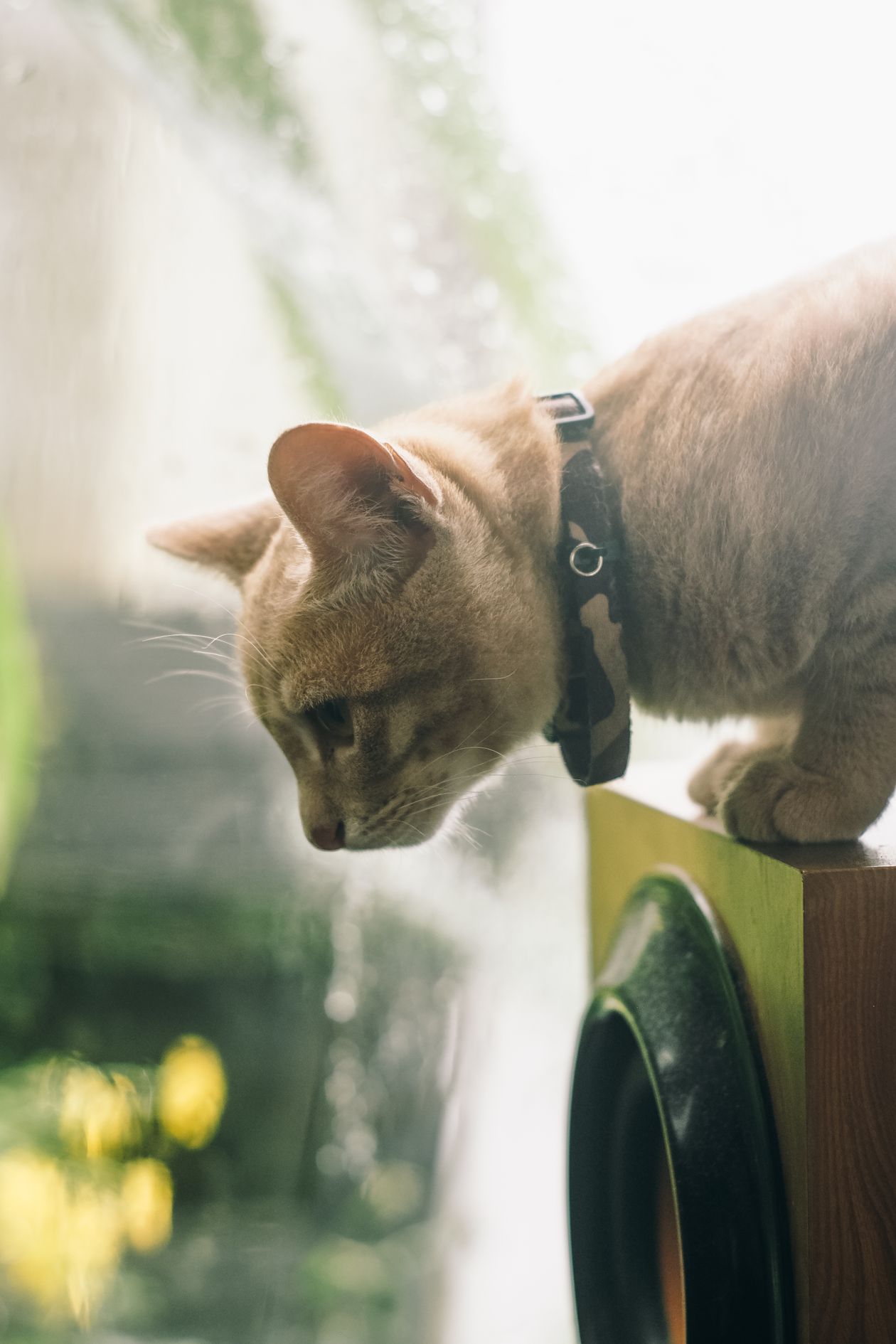
A collar should be snug enough that it does not slip over your cat’s head, but loose enough to fit two fingers comfortably between the collar and the neck. Too loose, and your cat can get a leg or jaw caught; too tight, and it can rub the fur and irritate the skin. Check the fit every week or two, especially for growing kittens, and look for hair loss or redness under the collar. Lightweight, soft materials are usually more comfortable than heavy or stiff ones.
Helping Your Cat Get Used to a Collar
Most cats scratch at a new collar for a while, but many adjust within a few days. Put the collar on during a calm moment, offer treats or a meal, and distract your cat with play. Keep the first sessions short and supervised, and gradually increase the time. Avoid heavy tags or noisy bells at first, as they can bother sensitive cats. If your cat seems persistently distressed after a week or two, try a different style, such as a lighter or softer collar.
What to Put on the ID Tag
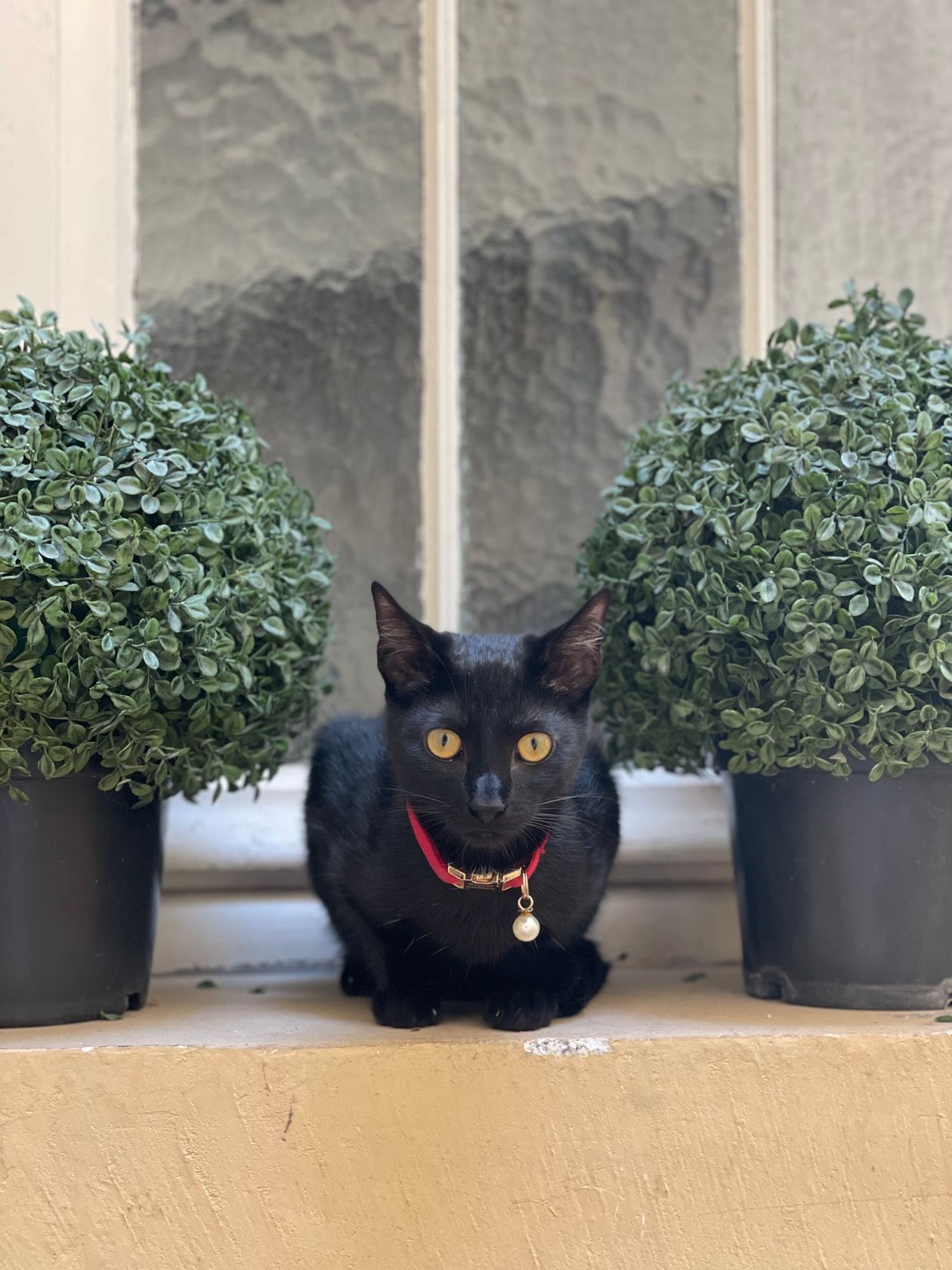
Keep the tag simple: your cat’s name is optional, but your phone number is essential. Some owners add “I’m microchipped” or “indoor cat, please call” so finders know to contact you rather than assuming the cat is allowed outside. Engraved tags last longer than printed ones, and slide-on tags that sit flat against the collar are quieter and less likely to snag. Make sure the information stays current if you move or change your number.
Bells, GPS Trackers, and Other Add-Ons
Bells can warn birds and wildlife, but some cats find them annoying, and constant jingling near the ears may bother sensitive cats. GPS trackers attach to collars and let you see where an outdoor cat roams, which is helpful for cats who wander far, but trackers add weight and need charging. Reflective or light-up collars help drivers see outdoor cats at night. Choose add-ons based on your cat’s lifestyle, not just because they are available. Weighing these extras is part of deciding do cats need a collar with features beyond a simple tag.
Indoor Cats and Escape Plans
Even if you are confident your cat never goes out, accidents happen. Doors are left open by guests, windows screens fail, and cats bolt during moves or vet trips. Your cat should travel in a secure carrier for every trip; see do you need a cat carrier for tips, and our guide to the best pet carriers for options. Many owners of indoor cats decide that a lightweight breakaway collar is cheap insurance, which is why so many of them answer do cats need a collar with a cautious yes.
Local Rules and Shelter Advice
Some cities and counties require pet identification, and many shelters and rescue groups recommend visible ID for every cat that could ever go outside. If you are unsure, ask your vet or local shelter what they advise in your area. Their experience with lost and found cats often makes it clear why do cats need a collar is such a common question among new owners.
Common Mistakes to Avoid
- Using a dog collar without a breakaway clasp.
- Fitting the collar too loosely, risking leg or jaw entrapment.
- Never checking the fit as kittens grow.
- Relying only on a collar without a microchip.
- Forgetting to update the tag after a move.
Shop This Guide
If you decide this gear is right for your pet, these links show current options and prices. Check reviews, sizing, and materials before you buy.
Want our top picks? Read our guide to the best pet carrier.
As an Amazon Associate, we earn from qualifying purchases at no extra cost to you.
A Practical Scenario: The Indoor Escape Artist
Imagine an indoor cat who slips out during a furniture delivery and disappears into the neighborhood. Two days later, a neighbor finds him hiding under a porch. Because he wears a breakaway collar with an engraved tag, the neighbor calls his owner within minutes, instead of taking him to a shelter where a microchip scan would happen days later. For this family, the answer to do cats need a collar became a definite yes, even for an indoor cat.
Frequently Asked Questions
Do cats need a collar?
Outdoor cats should wear a breakaway collar with ID. Indoor cats benefit from one as a backup, alongside a microchip.
Are collars safe for cats?
Breakaway collars that are fitted correctly are considered safe. Avoid buckle collars for cats.
How tight should a cat collar be?
Snug enough not to slip over the head, with room for two fingers underneath.
Can a microchip replace a collar?
A microchip is essential, but a collar and tag provide visible ID that anyone can read.
Final Thoughts: Do Cats Need a Collar?
Do cats need a collar? For outdoor and indoor-outdoor cats, yes, a breakaway collar with an ID tag is one of the simplest ways to bring a lost cat home. For strictly indoor cats it is optional, but many owners choose one as a backup. Always pair a collar with a microchip, choose a breakaway clasp, check the fit regularly, and keep your contact details up to date.
Sources & Expert References

About the Author
ThePetGearList Team
ThePetGearList is an independent pet-gear site for dog and cat owners. We put each guide together from manufacturer specifications, veterinary and animal-welfare guidance (such as the AVMA and ASPCA), and patterns in verified owner reviews. We use AI writing tools to help draft guides and review every guide before it goes live. We have not hands-on tested every product we mention, so please check the manufacturer's current sizing and safety instructions before you buy, and ask your vet about health questions. Spotted something out of date? Tell us through the Contact page.