- Why Every Cat Owner Needs a Carrier
- Types of Cat Carriers Compared
- Choosing the Right Size
- Training Your Cat to Like the Carrier
- Common Carrier Mistakes to Avoid
- Trip-Day Tips
- Keeping the Carrier Ready for Emergencies
- Making the Carrier a Comfortable Place
- A Practical Scenario: The Indoor Cat Who Never Travels
- Shop This Guide
- Frequently Asked Questions
- Final Thoughts: Do You Need a Cat Carrier?
- Free New Pet Owner Checklist
- Everything you need for your dog or cat's first weeks home — get the free printable checklist.
As an Amazon Associate, we earn from qualifying purchases linked in this post.
Do you need a cat carrier? Yes. Every cat owner needs a sturdy, secure carrier, even if your cat almost never leaves home. You need one for vet visits, emergencies, evacuations, moving house, and any car trip, and many veterinary clinics require cats to arrive in a carrier for their own safety and the safety of other patients. Carrying a cat in your arms or loose in the car is risky, because a frightened cat can bolt, scratch, or get under the driver’s feet.
The better question is which carrier and how to make your cat comfortable with it. Below we cover why a carrier is essential, the main carrier types, how to choose the right size, how to train your cat to accept it, and what to do on the day of a trip.
Why Every Cat Owner Needs a Carrier
When people ask do you need a cat carrier, they usually picture a yearly vet trip. In reality, a carrier covers many situations:
- Routine vet visits and vaccinations
- Emergencies, when there is no time to borrow or buy one
- Evacuations during fires, floods, or storms
- Moving house, when doors are open and cats can slip out
- Car travel, where a loose cat is a serious distraction and injury risk
- Keeping a cat contained during repairs, parties, or when other animals visit
The American Veterinary Medical Association’s advice on traveling with your pet recommends keeping cats in a secure, well-ventilated carrier during travel. For emergencies alone, having one ready is reason enough to answer do you need a cat carrier with a firm yes.
Types of Cat Carriers Compared
| Type | Pros | Cons | Best For |
|---|---|---|---|
| Hard plastic with top and front doors | Sturdy, easy to clean, top door helps at the vet | Bulky to store | Most cats, vet visits |
| Soft-sided fabric | Light, comfortable, airline-friendly | Less protection, harder to clean | Calm cats, air travel |
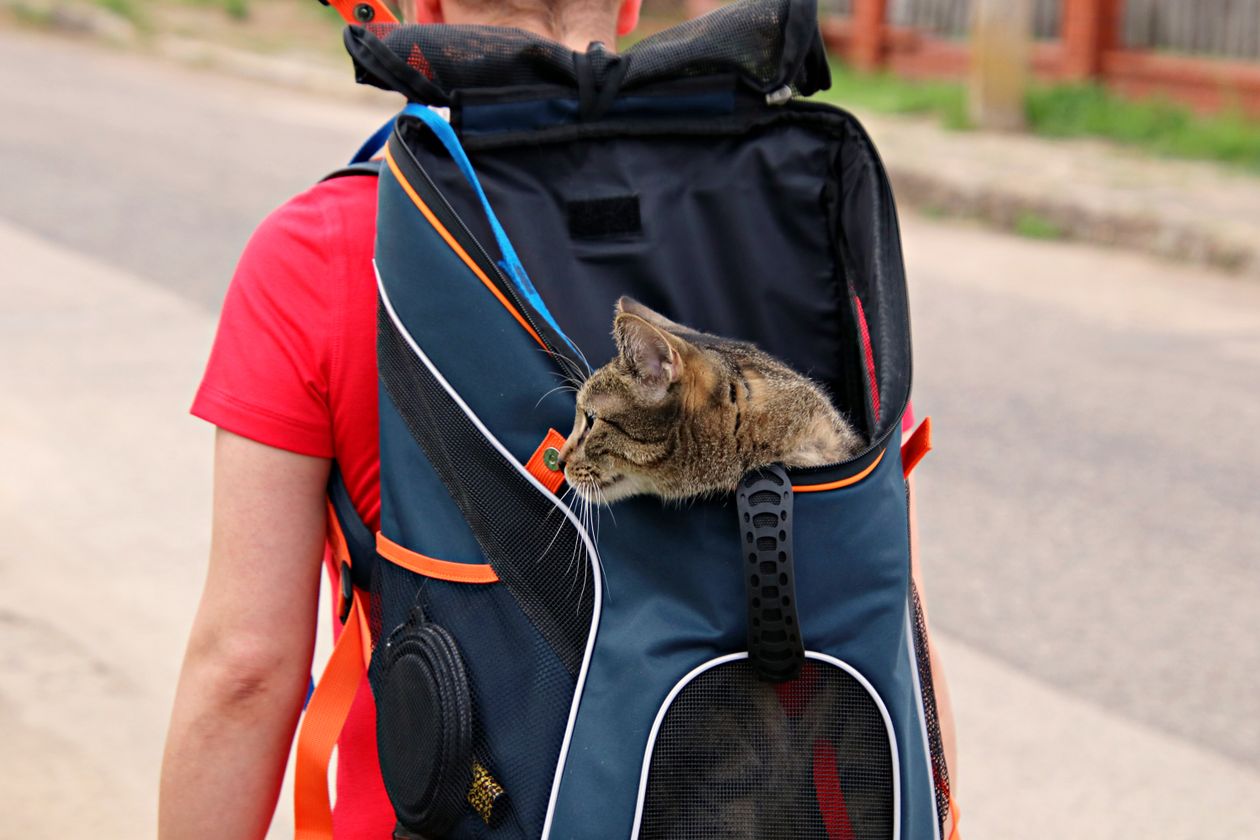
| Backpack carriers | Hands-free, good for walks | Less space, some cats dislike motion | Confident, active cats |
| Expandable carriers | Extra room on long trips | Heavier, more expensive | Long journeys |
| Cardboard carriers | Cheap, disposable | Not secure, can tear when wet | Emergency backup only |
For most homes, a hard carrier with a removable top is the best all-round choice, because the vet can examine a nervous cat while it stays in the bottom half. Our roundup of the best pet carriers compares popular models.
Choosing the Right Size
Once you know do you need a cat carrier, size is the next decision. Your cat should be able to stand, turn around, and lie down comfortably, but the carrier should not be so large that the cat slides around. Measure your cat from nose to base of tail and add a few inches. For large breeds such as Maine Coons, look for carriers labeled for cats up to 20 pounds or more. In multi-cat homes, each cat should have its own carrier; even friendly cats can become stressed and redirect aggression in a shared space.
Training Your Cat to Like the Carrier
Many cats hate carriers because they only appear right before something unpleasant. You can change that:
- Leave the carrier out all the time in a room your cat uses, with the door open or removed.
- Make it cozy with a soft blanket or a towel that smells like home.
- Add treats, toys, or meals near and then inside the carrier.
- Close the door briefly once your cat goes in voluntarily, then open it and reward.
- Practice short lifts and car rides that end at home, not at the vet.
A synthetic feline pheromone spray on the bedding about 15 minutes before travel can help some cats feel calmer. This training takes patience, but it makes every future trip easier for both of you.
Common Carrier Mistakes to Avoid
Even owners who know the answer to do you need a cat carrier often make a few common mistakes:
- Bringing the carrier out only for vet trips, which teaches your cat to fear it.
- Choosing a carrier that is too big, so the cat slides around during the drive.
- Relying on cheap latches that a determined cat can push open.
- Carrying it by the handle with the door facing forward, which swings the cat around.
- Leaving the carrier in a hot or cold car, even for a few minutes.
Fixing these small things makes a big difference in how calm your cat is on the way to the vet. If your cat still panics in the car despite training, ask your veterinarian about calming options for travel days. Thinking through these details is part of answering do you need a cat carrier properly: owning one matters, but owning the right one and using it well matters just as much.
Trip-Day Tips
On the day of a vet visit or trip, keep things calm. Get the carrier out early if it is not already, avoid chasing your cat, and lift the carrier from underneath rather than swinging it by the handle. Cover it with a light towel in the car or waiting room so your cat feels hidden. Secure the carrier with a seat belt on the back seat or place it on the floor behind a front seat, never on the front passenger seat with an active airbag.

Keeping the Carrier Ready for Emergencies
Store the carrier somewhere you can reach it quickly, ideally near an exit, with a small kit: a towel, a few days of food, a copy of vaccination records, and your contact details taped to the carrier. In an evacuation, a cat who is already comfortable with the carrier can be loaded in seconds. This preparedness is one of the strongest reasons why the answer to do you need a cat carrier is always yes, even for indoor cats who rarely travel.
Making the Carrier a Comfortable Place
Comfort matters as much as security. Line the carrier with a washable, absorbent pad or towel in case of accidents, and add something that smells familiar. In cooler weather, a warm blanket helps; if your cat already loves a cozy spot at home, our guide on whether cats need a heated bed explains how warmth affects comfort. Avoid putting loose toys in the carrier during travel, since they can roll around and add stress.
A Practical Scenario: The Indoor Cat Who Never Travels
Picture an indoor-only cat who has not left the apartment in three years. The owner thinks, do you need a cat carrier if the cat never goes anywhere? Then a smoke alarm sounds in the building and everyone has to leave quickly. Without a carrier, the cat hides under the bed and cannot be safely carried down the stairs. With a familiar carrier already in the living room, the cat could have been secured in under a minute. Situations like this are exactly why every cat owner should keep a carrier ready.
Shop This Guide
If this gear makes sense for your pet, these links show current options and prices. Check sizing, materials, and reviews before you buy, and ask your vet if your pet has special needs.
Want our top picks? Read our guide to the best pet carrier.
As an Amazon Associate, we earn from qualifying purchases at no extra cost to you.
Frequently Asked Questions
Do you need a cat carrier for the vet?
Yes. Most clinics require it, and it keeps your cat safe from other animals and from escaping in a stressful setting.
Can I just use a box or bag instead?
A cardboard box or tote is not secure and can tear or tip. Use a proper carrier with a latching door.
What size carrier does my cat need?
One where your cat can stand, turn around, and lie down comfortably, with a weight rating above your cat’s weight.
Should two cats share a carrier?
No. Each cat should have its own carrier to reduce stress and the risk of fights.
How do I clean a cat carrier?
Remove bedding, wash it, and wipe the carrier with mild soap and water. Let it dry fully before your cat uses it again.
Final Thoughts: Do You Need a Cat Carrier?
Do you need a cat carrier? Absolutely. Every cat needs a secure, well-ventilated carrier for vet visits, emergencies, moving, and travel, even if they rarely leave home. Choose a sturdy model with a top opening, size it so your cat can turn around, leave it out as part of the furniture, and use treats and short practice sessions to build positive associations. A carrier your cat trusts makes every trip safer and far less stressful.
Sources & Expert References

About the Author
ThePetGearList Team
ThePetGearList is an independent pet-gear site for dog and cat owners. We put each guide together from manufacturer specifications, veterinary and animal-welfare guidance (such as the AVMA and ASPCA), and patterns in verified owner reviews. We use AI writing tools to help draft guides and review every guide before it goes live. We have not hands-on tested every product we mention, so please check the manufacturer's current sizing and safety instructions before you buy, and ask your vet about health questions. Spotted something out of date? Tell us through the Contact page.