- Why Cats Love Warm Spots
- Which Cats Benefit Most
- Types of Heated Cat Beds
- Safety Features That Matter
- Signs Your Cat Is Feeling Cold
- Where to Put a Heated Bed
- Alternatives to a Heated Bed
- A Practical Scenario: A Senior Cat in a Cool Apartment
- Shop This Guide
- Frequently Asked Questions
- Final Thoughts: Do Cats Need a Heated Bed?
- Free New Pet Owner Checklist
- Everything you need for your dog or cat's first weeks home — get the free printable checklist.
As an Amazon Associate, we earn from qualifying purchases linked in this post.
Do cats need a heated bed? Most healthy adult cats do not strictly need one, but many benefit from it, especially senior cats, cats with arthritis, kittens, hairless or thin-coated breeds, and cats living in cool homes or drafty rooms. Cats naturally seek out warm spots, from sunny windowsills to the top of a laptop, so a safe, low-wattage heated bed often becomes a favorite place to sleep.
Whether your cat truly needs one depends on age, health, coat, and how warm your home stays in winter. Below we look at why cats love warmth, which cats benefit most, the types of heated beds, the safety features that matter, and simple alternatives if you would rather not plug anything in.
Why Cats Love Warm Spots
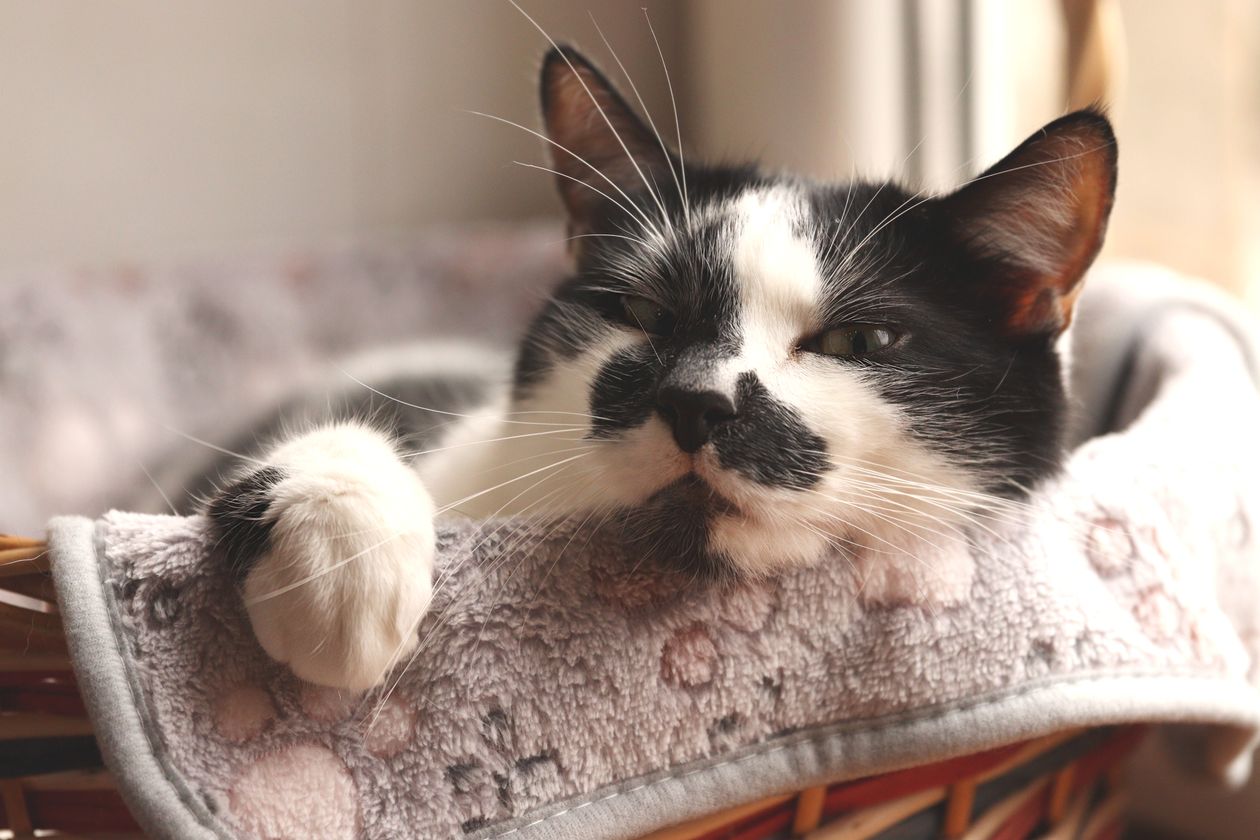
Cats have a higher normal body temperature than people, roughly 100 to 102.5°F (about 38 to 39°C), and their comfort zone for resting is warmer than ours. A room that feels pleasant to you can feel slightly cool to a sleeping cat. That is why cats curl up tightly, tuck their paws, and hunt down sunbeams, radiators, and warm laundry. A heated bed simply gives them a dependable warm spot that does not move with the sun.
Warmth also helps relaxation. A cat who is not spending energy staying warm can sleep more deeply, which is part of why so many owners notice their cat sleeping longer once a heated bed arrives. Still, do cats need a heated bed to be healthy? Not always; plenty of cats do perfectly well with a thick blanket in a draft-free spot.
Which Cats Benefit Most
The answer to do cats need a heated bed is a stronger yes for some cats than others:
| Cat Type | Benefit From a Heated Bed | Reason |
|---|---|---|
| Senior cats (10+ years) | High | Lower muscle mass and slower circulation |
| Cats with arthritis | High | Gentle warmth can ease stiff joints |
| Kittens | Moderate to high | Less able to regulate body temperature |
| Hairless or thin-coated breeds (Sphynx, Devon Rex) | High | Little natural insulation |
| Underweight or recovering cats | Moderate to high | Less body fat to hold heat |
| Healthy adult cats in warm homes | Low to moderate | Nice comfort item, not essential |
The ASPCA’s cold weather tips recommend giving pets a warm place to sleep away from drafts, especially older or short-haired animals. A heated bed is one convenient way to do that.
Types of Heated Cat Beds
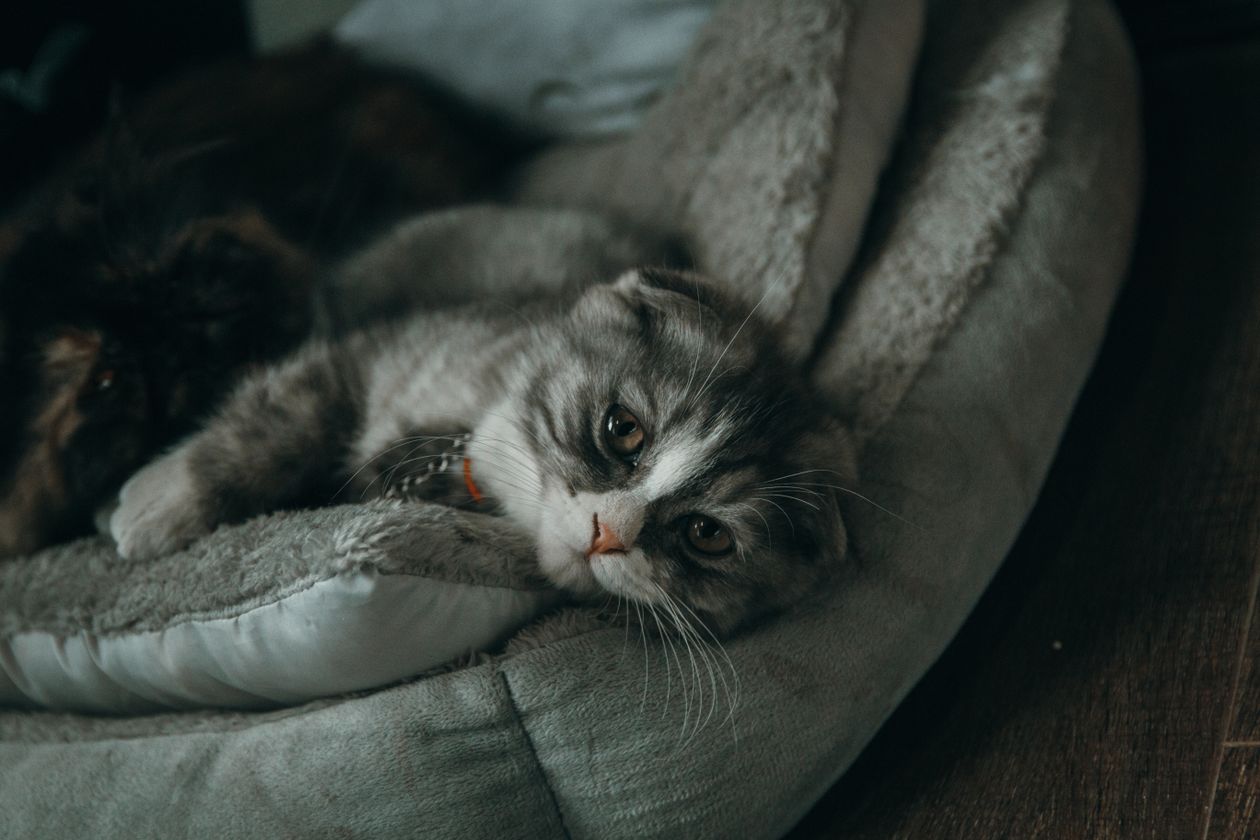
Once you have decided do cats need a heated bed in your home, you can choose from a few main styles:
- Electric heated beds: a low-wattage heating element inside the base, often thermostatically controlled to stay a few degrees above room temperature. Usually the warmest option.
- Heated pads: flat pads that slide under an existing bed or blanket. Good if your cat already has a favorite bed.
- Self-warming (thermal) beds: no electricity at all. A reflective layer bounces your cat’s own body heat back toward them.
- Microwavable heat discs: heated in the microwave and placed under bedding, staying warm for several hours.
- Heated window perches: combine warmth with a view for cats who love to watch the outdoors.
Our roundup of the best heated pet beds compares wattage, temperature control, and washability across popular models.
Safety Features That Matter
A heated bed should feel gently warm, never hot. Look for these features before buying:
- Low wattage and thermostat control: the bed should warm to around body temperature, not higher.
- Chew-resistant cord: a steel-wrapped or covered cord protects curious cats and kittens.
- Safety certification: choose products tested by a recognized safety lab.
- Removable, washable cover: makes cleaning easy and keeps the heating element separate from your cat.
- An unheated area: your cat should be able to move off the heat easily if they get too warm.
Safety is the most important part of answering do cats need a heated bed. Be extra careful with very old, very young, or less mobile cats, since they may not move away from heat quickly. Check the surface with your hand regularly; it should feel no warmer than your own skin. Never use a human heating pad, which can get much hotter than a pet-specific product.
Signs Your Cat Is Feeling Cold
Your cat’s behavior is often the clearest answer to do cats need a heated bed. Cats rarely shiver the way people do, so the signs of feeling chilly are subtler:
- Curling into a very tight ball with the tail wrapped over the nose
- Seeking out radiators, heating vents, laptops, or the warm spot you just left
- Burrowing under blankets or into closets and laundry baskets
- Cold ear tips and paw pads when you touch them
- Sleeping more than usual and moving stiffly when they get up
If you see several of these every day during the cooler months, a source of steady warmth is likely to make your cat more comfortable. On the other hand, a cat who sprawls out flat on cool tiles is telling you the room is already warm enough, and a heated bed may sit unused. Watching for a week before you buy is the simplest way to decide.
Where to Put a Heated Bed
Placement matters as much as the product. Put the bed in a quiet, draft-free spot where your cat already likes to nap, ideally a little off the floor, which is often the coldest part of the room. A spot near a window works well during the day, and a heated window perch combines both. If you are thinking about adding a perch, our guide on whether cats need a window perch explains the benefits.
Alternatives to a Heated Bed
If you are still unsure do cats need a heated bed in your home, try a few low-cost options first:
- A self-warming thermal bed, which needs no power
- A thick fleece blanket folded inside a cardboard box or covered bed
- A cozy hooded or cave-style bed that traps body heat
- Moving your cat’s bed away from drafty doors and cold floors
Watch where your cat chooses to sleep. If they keep seeking out radiators, laptops, or your pillow, a heated option is likely to be a hit.
A Practical Scenario: A Senior Cat in a Cool Apartment
Picture a 14-year-old cat with mild arthritis living in an older apartment that cools down to about 64°F (18°C) at night. The cat has started sleeping pressed against the radiator and moves stiffly in the morning. For this cat, the answer to do cats need a heated bed is a clear yes: a low-wattage, thermostat-controlled bed placed in a draft-free corner can make mornings noticeably easier. Mention the stiffness to your veterinarian too, since arthritis can often be managed with more than warmth alone.
Shop This Guide
If this gear makes sense for your pet, these links show current options and prices. Check sizing, materials, and reviews before you buy, and ask your vet if your pet has special needs.
Want our top picks? Read our guide to the best heated pet bed.
As an Amazon Associate, we earn from qualifying purchases at no extra cost to you.
Frequently Asked Questions
Do cats need a heated bed in winter?
Not all cats do, but many appreciate one in winter, especially seniors, kittens, and short-haired cats in cooler homes.
Is it safe to leave a heated cat bed on all the time?
Most pet-specific heated beds are designed for continuous use, but always follow the manufacturer’s instructions and check the cord regularly.
Can a heated bed help a cat with arthritis?
Gentle warmth can help stiff joints feel more comfortable. It is a comfort measure, not a treatment, so talk to your vet about pain management as well.
Are self-warming beds as good as electric ones?
They are a good option for healthy cats in moderately cool homes. Seniors or thin-coated cats in cold rooms often do better with an electric bed.
Can kittens use heated beds?
Yes, with supervision. Choose a low-wattage bed with a chew-proof cord and an unheated area so the kitten can move off the heat.
Final Thoughts: Do Cats Need a Heated Bed?
Do cats need a heated bed? Healthy adult cats in warm homes usually do fine without one, but seniors, cats with arthritis, kittens, thin-coated breeds, and cats in cool or drafty homes often benefit a lot. Choose a low-wattage, thermostat-controlled bed with a chew-resistant cord and a washable cover, place it in a draft-free favorite spot, and check it regularly. For many cats, it quickly becomes the most popular seat in the house.
Sources & Expert References

About the Author
ThePetGearList Team
ThePetGearList is an independent pet-gear site for dog and cat owners. We put each guide together from manufacturer specifications, veterinary and animal-welfare guidance (such as the AVMA and ASPCA), and patterns in verified owner reviews. We use AI writing tools to help draft guides and review every guide before it goes live. We have not hands-on tested every product we mention, so please check the manufacturer's current sizing and safety instructions before you buy, and ask your vet about health questions. Spotted something out of date? Tell us through the Contact page.