- Quick Answer: Who Benefits Most
- Why Hydration Matters for Cats
- Why Many Cats Prefer Moving Water
- Fountain vs. Bowl
- Types of Cat Water Fountains
- Cleaning Is Essential
- Other Ways to Help Your Cat Drink More
- Introducing a Fountain to Your Cat
- Signs Your Cat May Not Be Drinking Enough
- Multi-Cat Homes
- Where to Place a Fountain
- Common Mistakes to Avoid
- Shop This Guide
- A Practical Scenario: The Kibble-Fed Cat
- Frequently Asked Questions
- Final Thoughts: Do Cats Need a Water Fountain?
- Free New Pet Owner Checklist
- Everything you need for your dog or cat's first weeks home — get the free printable checklist.
As an Amazon Associate, we earn from qualifying purchases linked in this post.
Do cats need a water fountain? No, a fountain is not essential, but it can help many cats drink more water, which supports kidney and urinary health. Cats evolved from desert ancestors with a low natural thirst drive, and many prefer moving, fresh water to a still bowl. If your cat already drinks well from a clean bowl, eats wet food, and has no health issues, a fountain is a nice extra rather than a must-have.
Fountains are especially helpful for cats who eat mostly dry food, older cats, and cats with a history of urinary or kidney problems, but they also require regular cleaning. Below we explain why hydration matters, who benefits most, how fountains compare with bowls, the types available, cleaning needs, and how to encourage your cat to drink more.
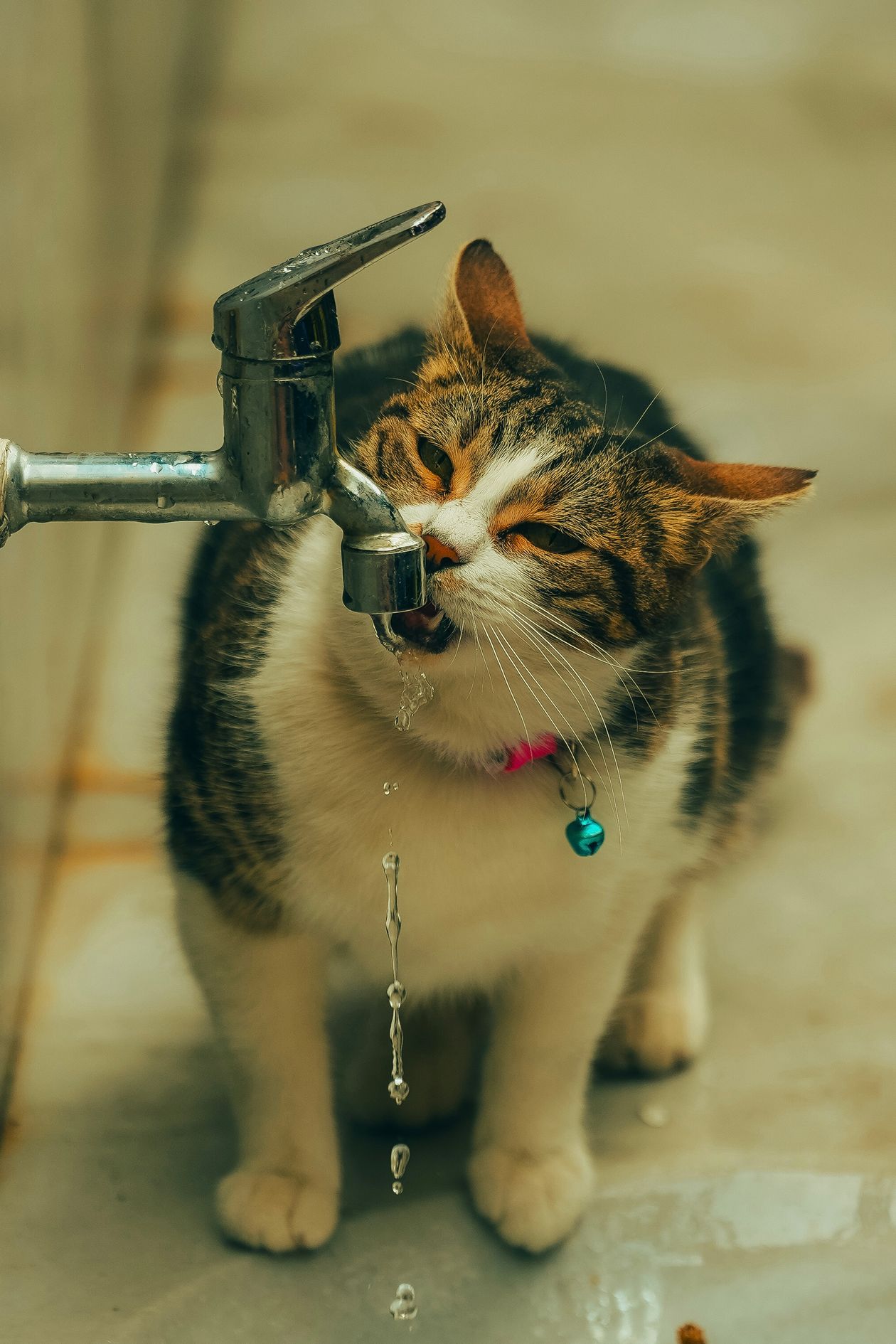
Quick Answer: Who Benefits Most
This table gives a quick answer to do cats need a water fountain based on your cat’s situation.
| Cat Situation | Fountain Helpful? | Why |
|---|---|---|
| Mostly dry food diet | Yes | Needs more drinking to stay hydrated |
| History of urinary issues | Yes | More water dilutes urine (ask your vet) |
| Senior cat | Often | Thirst and kidney function change with age |
| Cat drinks from the faucet | Yes | Prefers moving water |
| Mostly wet food, drinks well | Optional | Already gets plenty of moisture |
Why Hydration Matters for Cats
Cats naturally get much of their water from prey, which is about 70 percent moisture. Dry kibble contains only about 10 percent moisture, so cats on dry diets must drink more to make up the difference, and many do not. Chronic mild dehydration is linked to concentrated urine, which can contribute to urinary crystals, bladder inflammation, and other urinary problems. Senior cats are also prone to kidney disease, where good hydration is especially important. The Cat Friendly resources from the American Association of Feline Practitioners offer more guidance on keeping cats healthy and hydrated.
These health links are the main reason owners ask do cats need a water fountain. A fountain will not treat a medical condition, but encouraging more drinking is one of the simplest ways to support a healthy urinary tract.
Why Many Cats Prefer Moving Water
In the wild, still water can be stagnant and unsafe, while flowing water is usually fresher. Many cats seem to share this preference, drinking from dripping taps or splashing water before they drink. Moving water also stays cooler and more aerated, which can taste better. Some cats dislike their whiskers touching the sides of a narrow bowl, a problem many fountains avoid with wide, shallow drinking areas.
Fountain vs. Bowl
| Feature | Water Fountain | Bowl |
|---|---|---|
| Encourages drinking | Often yes | Depends on the cat |
| Water freshness | Filtered and circulating | Needs daily changes |
| Cleaning | Weekly disassembly, filter changes | Quick daily wash |
| Cost | Higher plus filters | Low |
| Noise and power | Small pump, needs electricity or battery | Silent, no power |
Types of Cat Water Fountains
Plastic fountains are affordable and lightweight but can scratch over time, creating places for bacteria to grow, and some cats with chin acne do better with other materials. Stainless steel fountains are durable, easy to clean, and more hygienic. Ceramic fountains are heavy, stable, and attractive, though they can chip. Cordless or battery-powered models give more freedom in where you place them. Look for a quiet pump, an easy-to-disassemble design, a large enough water capacity, and widely available replacement filters. Our guide to the best pet water fountains compares popular models.
Cleaning Is Essential
A fountain that is not cleaned can become a source of slime, bacteria, and mold, which defeats the purpose. Top up water daily, fully disassemble and clean the fountain about once a week, clean the pump every two to four weeks, and replace filters as recommended, usually every two to four weeks. See our guide on how often to clean a pet water fountain for a full routine.
If you cannot commit to this, a clean bowl changed daily may serve your cat better. The cleaning commitment is a big part of whether the answer to do cats need a water fountain is yes in your household.
Other Ways to Help Your Cat Drink More
- Feed wet food, or add water to meals.
- Offer several water stations around the home.
- Use wide, shallow bowls to avoid whisker discomfort.
- Keep water away from food and litter boxes.
- Change water daily and wash bowls often; see how often to wash pet bowls.
- Try ceramic, glass, or stainless steel instead of plastic.
Introducing a Fountain to Your Cat
Some cats rush to a new fountain, while others are suspicious of the sound and movement. Place it near their usual water bowl, keep the old bowl available at first, and let your cat investigate in their own time. Running it on the lowest flow setting may be less intimidating.
Some owners rub a little tuna water on the fountain edge to spark interest. Once your cat drinks from it regularly, you can remove the old bowl or keep it as a second station. Give it a couple of weeks before deciding whether a fountain works for your cat.
Signs Your Cat May Not Be Drinking Enough
Watch for small or infrequent litter clumps, dry or tacky gums, lethargy, constipation, and skin that is slow to return when gently lifted at the shoulders. On the other hand, a sudden increase in drinking or urination can signal diabetes, kidney disease, or thyroid problems and needs a vet visit. If you see these signs, the question is no longer do cats need a water fountain but whether they need a checkup, so contact your veterinarian.
Multi-Cat Homes
In homes with several cats, a fountain can be a shared, appealing water source, but some cats guard resources. Offer more than one water station in different rooms so shy cats can drink without competition. Larger-capacity fountains need refilling less often. If one cat is a heavy drinker and another drinks little, a fountain may help the reluctant drinker most, which is why many multi-cat owners answer do cats need a water fountain with a yes.
Where to Place a Fountain
Location affects how much your cat uses a fountain. Choose a quiet, low-traffic spot where your cat feels safe, away from loud appliances, food bowls, and litter boxes. Cats often prefer to drink where they can see around them, so avoid tight corners where they might feel trapped.
Place the fountain on a waterproof mat to catch splashes, and keep the cord tidy and out of reach of cats who chew cables. If your cat spends most of the day in one area, such as a bedroom or sunny window spot, put the fountain nearby so a drink is always close.
Common Mistakes to Avoid
- Skipping weekly cleaning.
- Forgetting to replace filters.
- Letting the water run low, which can burn out the pump.
- Placing the fountain next to the litter box.
- Removing the old bowl before your cat accepts the fountain.
Shop This Guide
If you decide this gear is right for your pet, these links show current options and prices. Check reviews, sizing, and materials before you buy.
- Stainless steel cat fountains on Amazon →
- Ceramic pet fountains on Amazon →
- Replacement filters on Amazon →
Want our top picks? Read our guide to the best pet water fountain.
As an Amazon Associate, we earn from qualifying purchases at no extra cost to you.
A Practical Scenario: The Kibble-Fed Cat
Imagine an eight-year-old cat who eats mostly dry food and has had one bout of urinary irritation. His vet suggests encouraging more water intake. His owners add a small portion of wet food daily and set up a stainless steel fountain in the hallway, keeping his old bowl in the kitchen. He starts visiting the fountain several times a day, and his litter clumps become larger. For them, the answer to do cats need a water fountain was yes.
Frequently Asked Questions
Do cats need a water fountain?
No, but many cats drink more from one, which can support urinary and kidney health.
Are cat water fountains worth it?
They are worth it for cats on dry food, seniors, and cats who prefer moving water, if you can keep them clean.
How often should I clean a cat water fountain?
About once a week, with filter changes every two to four weeks.
What material is best for a cat fountain?
Stainless steel or ceramic are the most hygienic and durable.
Final Thoughts: Do Cats Need a Water Fountain?
Do cats need a water fountain? Not strictly, but a fountain can encourage many cats to drink more, which is especially valuable for cats on dry food, seniors, and cats with urinary concerns. Choose a quiet, easy-to-clean stainless steel or ceramic model, clean it weekly, replace filters on schedule, and combine it with wet food and multiple water stations for the best results.
Sources & Expert References

About the Author
ThePetGearList Team
ThePetGearList is an independent pet-gear site for dog and cat owners. We put each guide together from manufacturer specifications, veterinary and animal-welfare guidance (such as the AVMA and ASPCA), and patterns in verified owner reviews. We use AI writing tools to help draft guides and review every guide before it goes live. We have not hands-on tested every product we mention, so please check the manufacturer's current sizing and safety instructions before you buy, and ask your vet about health questions. Spotted something out of date? Tell us through the Contact page.