- Why Litter Boxes Wear Out
- Replacement Timeline at a Glance
- Signs It Is Time for a New Box
- How Cleaning Habits Affect the Lifespan
- Number of Boxes Matters Too
- Plastic vs Stainless Steel: Which Is Worth It?
- Budgeting for Replacement
- Covered Boxes and Filters
- How to Switch to a New Box Without Stress
- A Practical Scenario: Two Cats, One Old Box
- Shop This Guide
- Frequently Asked Questions
- Final Thoughts: How Often Should You Replace a Litter Box?
- Free New Pet Owner Checklist
- Everything you need for your dog or cat's first weeks home — get the free printable checklist.
As an Amazon Associate, we earn from qualifying purchases linked in this post.
How often should you replace a litter box? For a standard plastic litter box, plan on replacing it about once a year. Replace it sooner if it is deeply scratched, stained, cracked, or still smells after a thorough wash, which can happen in as little as six months in a busy multi-cat home. Stainless steel boxes last much longer, often many years, because they do not scratch the same way and do not absorb odors.
Many owners clean the box faithfully but never think about replacing the box itself. Over time, plastic wears in ways that soap cannot fix, and that can lead to odor and even litter box avoidance. Below we explain why plastic wears out, the signs it is time for a new box, how material and household size change the timeline, and how to switch boxes without upsetting your cat.
Why Litter Boxes Wear Out
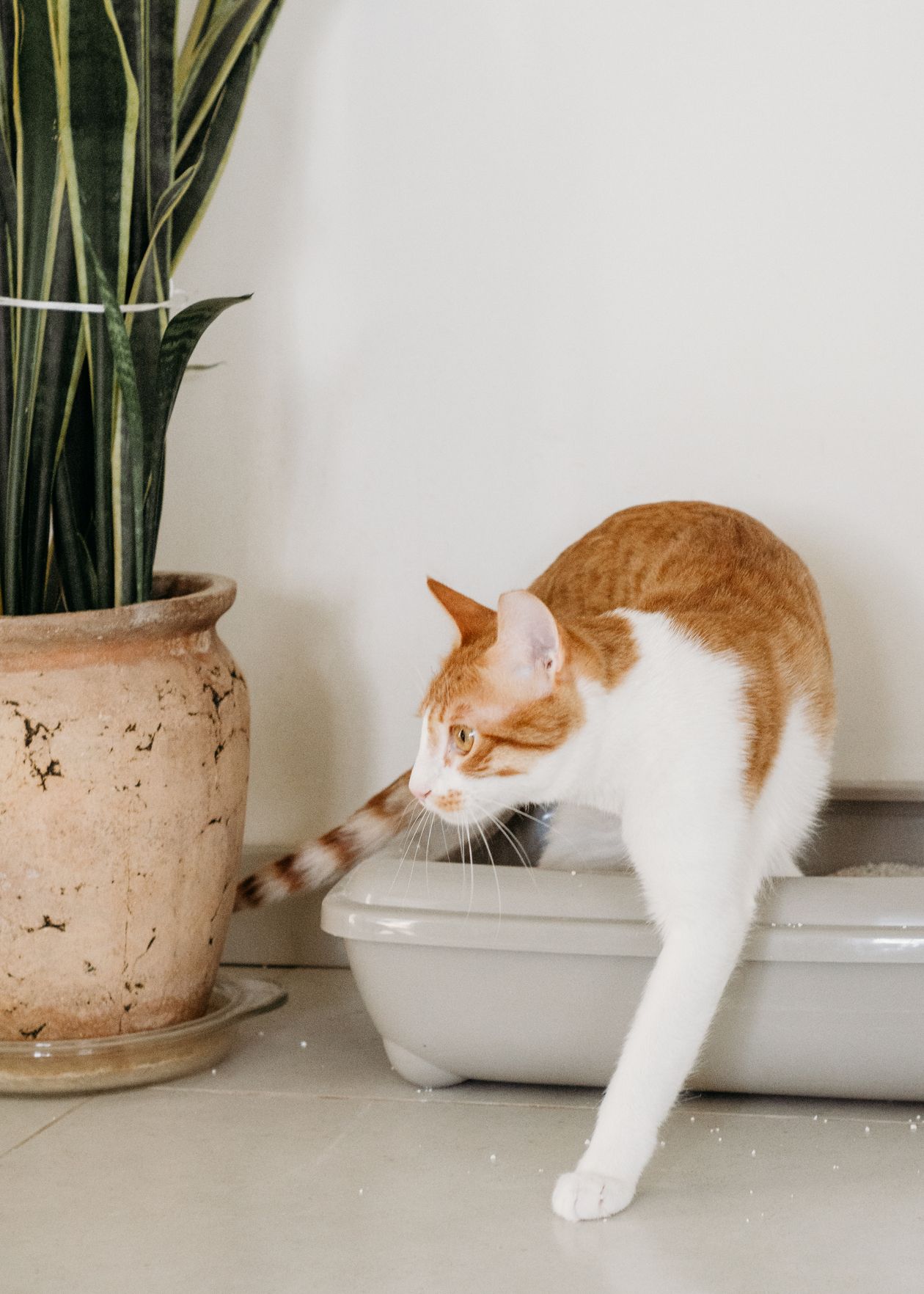
Every time your cat digs and covers, claws and litter granules leave tiny scratches in the plastic. Those scratches trap urine, bacteria, and odor molecules where scrubbing cannot reach. Over months, plastic can also absorb ammonia smells and become discolored. Cats have a far stronger sense of smell than we do, so a box that seems fine to you may smell unpleasant to them. That is the core reason how often should you replace a litter box is a real question and not just a cleaning issue.
The ASPCA notes in its guidance on litter box problems that an unclean or unpleasant box is one of the common reasons cats stop using it. A worn-out box can quietly become part of that problem.
Replacement Timeline at a Glance
Here is a realistic answer to how often should you replace a litter box by material and household.
| Box Type | Single-Cat Home | Multi-Cat Home |
|---|---|---|
| Standard plastic open box | About 12 months | 6–12 months |
| Covered or hooded plastic box | About 12 months | 6–12 months |
| Disposable cardboard or paper box | 2–4 weeks | 1–2 weeks |
| Stainless steel box | Many years | Many years |
| Self-cleaning box (tray or rake parts) | Parts per manufacturer | Parts more often |
Signs It Is Time for a New Box
Regardless of the calendar, replace the box when you notice:
- Deep scratches or a rough, cloudy surface on the bottom and sides
- Stains or discoloration that do not wash out
- A lingering ammonia smell right after a full scrub and fresh litter
- Cracks, warping, or a broken rim
- Your cat sniffing the box and leaving, or going just outside it
Any change in litter habits can also signal a medical issue, such as a urinary tract problem, so if your cat starts going outside the box or straining, contact your veterinarian promptly. A new box will not fix a health problem.
How Cleaning Habits Affect the Lifespan
The way you clean has a big effect on how often should you replace a litter box. Good daily care stretches how often should you replace a litter box. Scoop at least once a day, and do a full empty-and-wash every one to two weeks for clumping litter. Use warm water and mild, unscented soap; harsh cleaners and strong scents can put cats off, and abrasive scrubbers create more scratches. Our guide on how often you should clean a litter box covers the full routine.
A box liner can reduce direct scratching, though some cats dislike the feel of plastic liners and claw through them. A thicker layer of litter, around two to three inches, also helps protect the bottom of the box.
Number of Boxes Matters Too
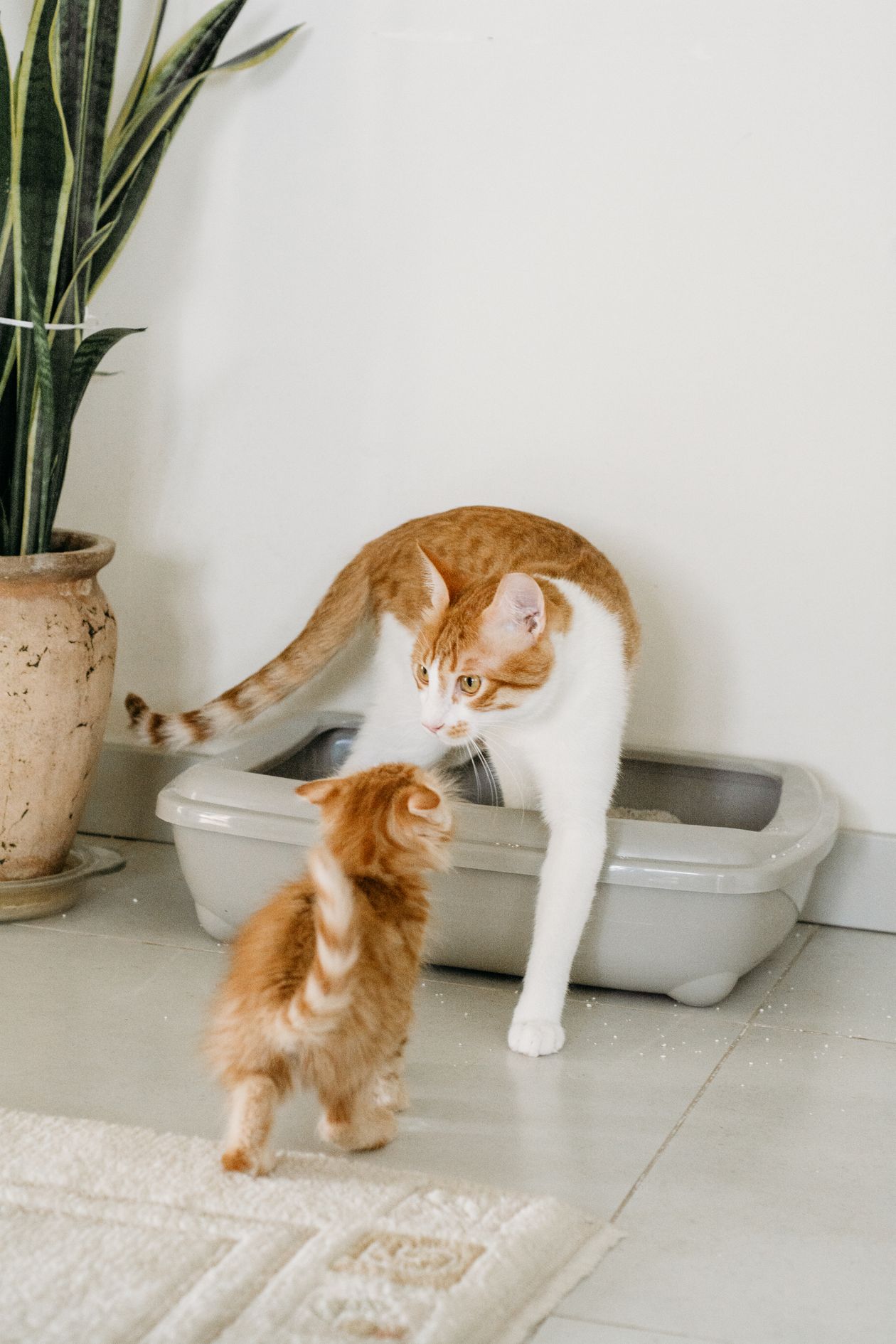
Overcrowded boxes wear out faster and smell worse. The common guideline is one box per cat plus one extra, placed in different quiet locations. Spreading use across more boxes means each one gets less wear, which extends how often should you replace a litter box in practice. Our guide on how many litter boxes you need explains the reasoning.
Plastic vs Stainless Steel: Which Is Worth It?
Stainless steel boxes cost more up front but have a non-porous surface that resists scratches and odor. For many homes, one steel box can outlast several plastic ones, making it cheaper over a few years. The trade-offs are fewer size and shape options and, for some models, higher sides that older cats may find harder to step over. Plastic remains a good, affordable choice as long as you replace it on schedule.

Budgeting for Replacement
Thinking ahead about how often should you replace a litter box makes the cost easy to manage. A basic plastic box is inexpensive, so replacing one or two a year in a single-cat home costs very little compared with the litter you buy each month. In a multi-cat home with three or four boxes, replacing them on a staggered schedule, one every few months, spreads the cost out and means you never have every box wearing out at once.
If you find yourself replacing plastic boxes very often, run the numbers on stainless steel. A steel box that lasts five years or more can work out cheaper than five or six plastic boxes over the same period, and it saves you the trouble of reintroducing your cat to a new box each time.
Covered Boxes and Filters
Covered boxes need a little extra attention. The hood traps odor inside, which can make the inside surfaces wear and smell sooner, and many hooded boxes use carbon filters that should be changed every month or so. A covered box that still smells after a wash and a fresh filter is a strong sign that it is time to replace the whole unit, whatever the calendar says.
How to Switch to a New Box Without Stress
Cats are creatures of habit, so a sudden swap can cause confusion. To make the change smoothly:
- Place the new box next to the old one for a few days, rather than replacing it outright.
- Use the same litter your cat already likes.
- Add a scoop of used litter from the old box to the new one so it smells familiar.
- Keep the location the same. Change one thing at a time.
- Remove the old box once your cat is using the new one consistently.
Choosing a box of similar size and style also helps. If you want to change from covered to open, or to a different shape, give your cat a few extra days with both options.
A Practical Scenario: Two Cats, One Old Box
Picture a home with two adult cats sharing a single plastic covered box that is two years old. The owner scoops daily and washes weekly, but the box still smells within a day, the bottom is cloudy with scratches, and one cat has started peeing on the bath mat. For this household, the answer to how often should you replace a litter box has been overdue for a year. The best fix is a vet check for the cat with the accident, plus two new boxes in separate locations, introduced gradually alongside the old one.
Shop This Guide
If this gear makes sense for your pet, these links show current options and prices. Check sizing, materials, and reviews before you buy, and ask your vet if your pet has special needs.
Want our top picks? Read our guide to the best cat litter box.
As an Amazon Associate, we earn from qualifying purchases at no extra cost to you.
Frequently Asked Questions
How often should you replace a litter box if you only have one cat?
About once a year for a plastic box, sooner if it is scratched, stained, or holds odor after washing.
Can I just bleach an old litter box instead?
Bleach can disinfect, but it does not remove scratches, and strong smells can deter cats. Rinse thoroughly if you use any disinfectant.
Do stainless steel litter boxes really last longer?
Yes. Their non-porous surface resists scratching and odor absorption, so many last for years.
Will my cat accept a new litter box?
Most cats do, especially if you introduce it next to the old one with the same litter and location.
Should I replace the scoop too?
Yes, replace scoops when they crack or bend, and clean them during your regular full box wash.
Final Thoughts: How Often Should You Replace a Litter Box?
How often should you replace a litter box? About once a year for plastic boxes, every six to twelve months in multi-cat homes, and much less often for stainless steel. Replace any box that is scratched, stained, cracked, or still smelly after washing, keep up daily scooping and regular washing, and introduce new boxes gradually. A fresh, clean box is one of the simplest ways to keep your cat happy and your home odor-free.
Sources & Expert References

About the Author
ThePetGearList Team
ThePetGearList is an independent pet-gear site for dog and cat owners. We put each guide together from manufacturer specifications, veterinary and animal-welfare guidance (such as the AVMA and ASPCA), and patterns in verified owner reviews. We use AI writing tools to help draft guides and review every guide before it goes live. We have not hands-on tested every product we mention, so please check the manufacturer's current sizing and safety instructions before you buy, and ask your vet about health questions. Spotted something out of date? Tell us through the Contact page.