- The Real Winter Risks to Your Dog’s Paws
- Which Dogs Benefit Most From Boots
- Signs Your Dog’s Paws Are Struggling
- How to Choose and Fit Winter Boots
- Helping Your Dog Accept Boots
- Alternatives If Your Dog Refuses Boots
- A Simple Winter Paw-Care Routine
- Boots and Coats Work Together
- A Practical Scenario: A City Dachshund
- Shop This Guide
- Frequently Asked Questions
- Final Thoughts: Do Dogs Need Boots in Winter?
- Free New Pet Owner Checklist
- Everything you need for your dog or cat's first weeks home — get the free printable checklist.
As an Amazon Associate, we earn from qualifying purchases linked in this post.
Do dogs need boots in winter? Many dogs do not need them for short walks on plain snow, but boots are genuinely helpful when sidewalks are covered in de-icing salt, when temperatures drop well below freezing, when snow balls up between the toes, or when a dog has sensitive, cracked, or injured paws. Small dogs, short-coated breeds, seniors, and dogs who walk on city streets benefit the most.
Paw pads are tougher than human skin, but they are not invincible. Below we explain the real winter risks to paws, which dogs benefit most from boots, how to choose and fit them, how to help a dog get used to wearing them, and the paw-care alternatives that work well for dogs who simply will not wear boots.
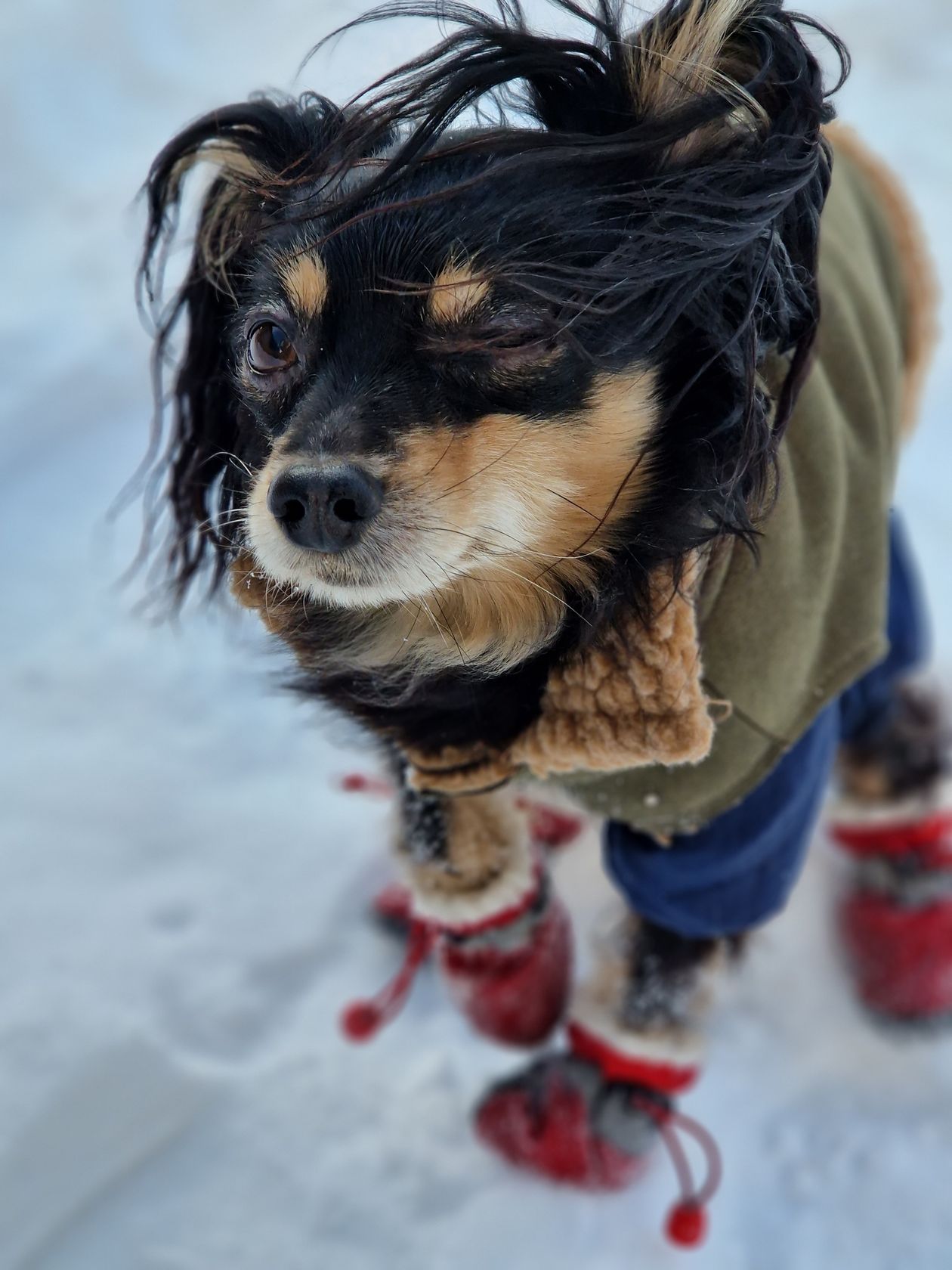
The Real Winter Risks to Your Dog’s Paws
When people ask do dogs need boots in winter, the cold itself is only part of the story. The bigger problems are usually what lies on the ground:
- De-icing salt and chemicals: rock salt and chemical ice melts can dry out and crack paw pads, sting small cuts, and cause stomach upset if dogs lick their paws afterward.
- Ice balls: snow packs into the fur between toes and freezes into hard, painful balls, especially in long-haired breeds.
- Sharp ice and hidden debris: frozen crusts and buried glass or metal can cut pads.
- Extreme cold: long walks in very low temperatures can lead to frostbite on toes and pads.
- Dry, cracked pads: cold air and repeated wet-dry cycles can leave pads rough and split.
The American Veterinary Medical Association’s cold weather safety guidance recommends checking paws for injury and wiping off de-icers after walks, and notes that booties can help protect feet in harsh conditions.
Which Dogs Benefit Most From Boots
The answer to do dogs need boots in winter changes a lot depending on the dog:
| Dog or Situation | Boots Recommended? | Reason |
|---|---|---|
| City dogs walking on salted sidewalks | Yes | Protects pads from salt burns and chemicals |
| Small or short-coated breeds | Often | Paws get cold quickly close to the ground |
| Senior dogs or dogs with arthritis | Often | Better traction and warmth |
| Long-haired breeds prone to ice balls | Often | Prevents snow packing between toes |
| Dogs with cracked or injured pads | Yes | Protects healing skin |
| Northern breeds on plain snow trails | Rarely | Paws adapted to cold, little salt exposure |
Signs Your Dog’s Paws Are Struggling
Watch your dog on winter walks. These clues suggest boots, or at least better paw care, would help:
- Lifting paws, limping, or holding a foot up mid-walk
- Stopping to chew or lick paws during or after walks
- Red, cracked, or bleeding pads
- Reluctance to step onto sidewalks or salted areas
- Hard snow lumps stuck between the toes
If you see these signs often, it is a strong hint that do dogs need boots in winter is a yes for your dog.
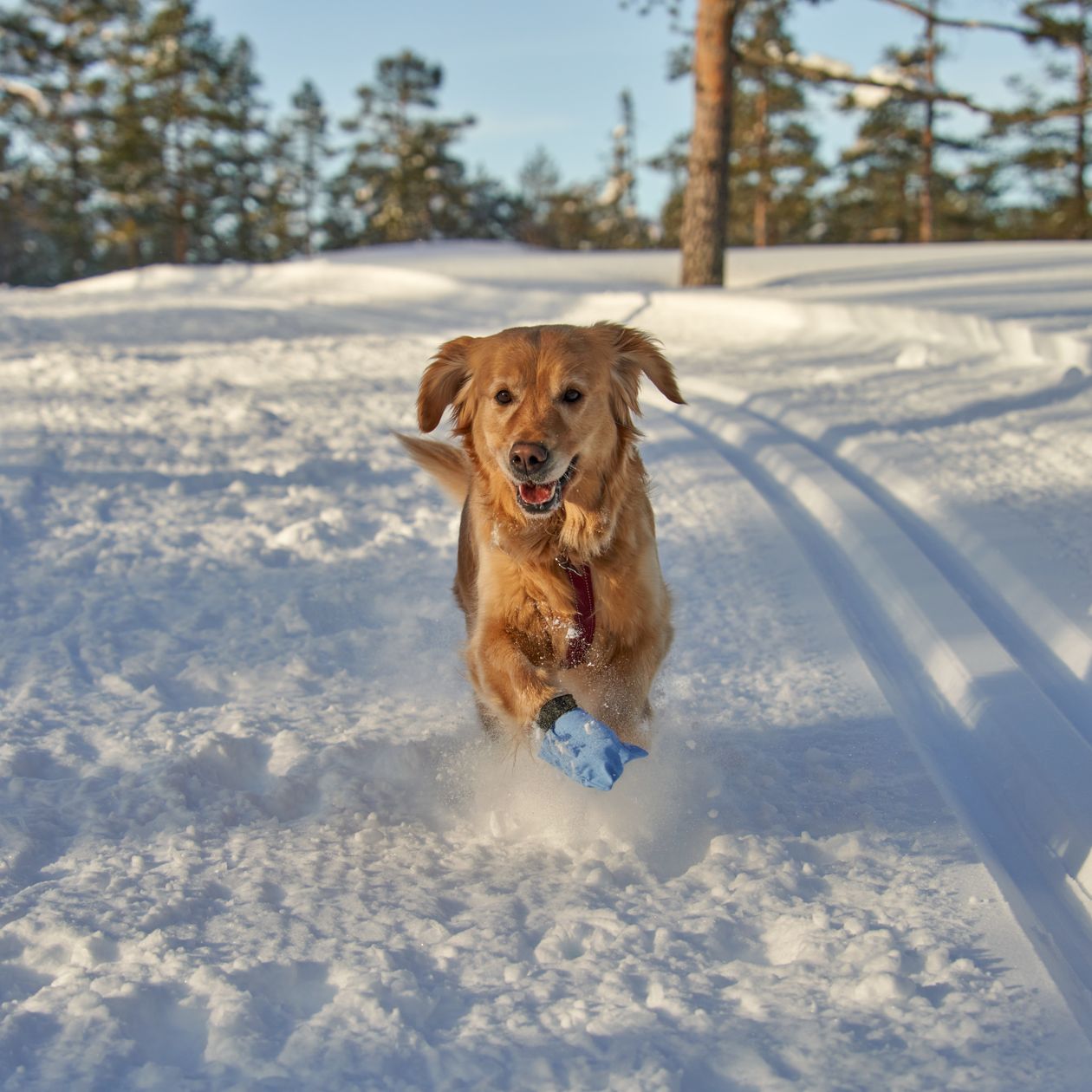
How to Choose and Fit Winter Boots
Good boots stay on, let your dog move naturally, and do not rub. Look for:
- A flexible, non-slip sole that gives grip on ice without being stiff.
- Water-resistant uppers to keep snow and slush out.
- Secure closures, usually wide hook-and-loop straps above the wrist joint.
- Reflective details for dark winter evenings.
- The right size: trace your dog’s paw while they stand with weight on it, measure the width, and compare with the brand’s chart.
Keep nails trimmed before fitting boots, since long nails push against the toe of the boot and make it uncomfortable. Our guide on how often you should trim a dog’s nails explains how to keep them at a comfortable length.
Helping Your Dog Accept Boots
Almost every dog walks strangely the first time they wear boots, lifting their legs high like a marching soldier. That is normal. Introduce boots indoors one or two at a time, reward with treats, and keep sessions short. Once your dog walks normally around the house, try a short walk outside. Most dogs adjust within a week or two of consistent practice.
Once you have worked out do dogs need boots in winter for your dog, remember to remove boots soon after you come inside and check for rubbing or moisture. Wet boots should be dried before the next walk.
Alternatives If Your Dog Refuses Boots
Some dogs never accept boots. For them, you still have good options:
- Paw balm or wax: applied before walks, it forms a protective barrier against salt and ice.
- Trim paw fur: keeping fur between the pads short reduces ice balls.
- Wipe paws after every walk: use a damp cloth or warm water to remove salt and chemicals, then dry thoroughly.
- Choose routes wisely: walk on grass or unsalted paths when possible.
- Use pet-safe ice melt at home: on your own steps and driveway.
These steps help even for dogs that do wear boots, so they are worth building into your winter routine either way.
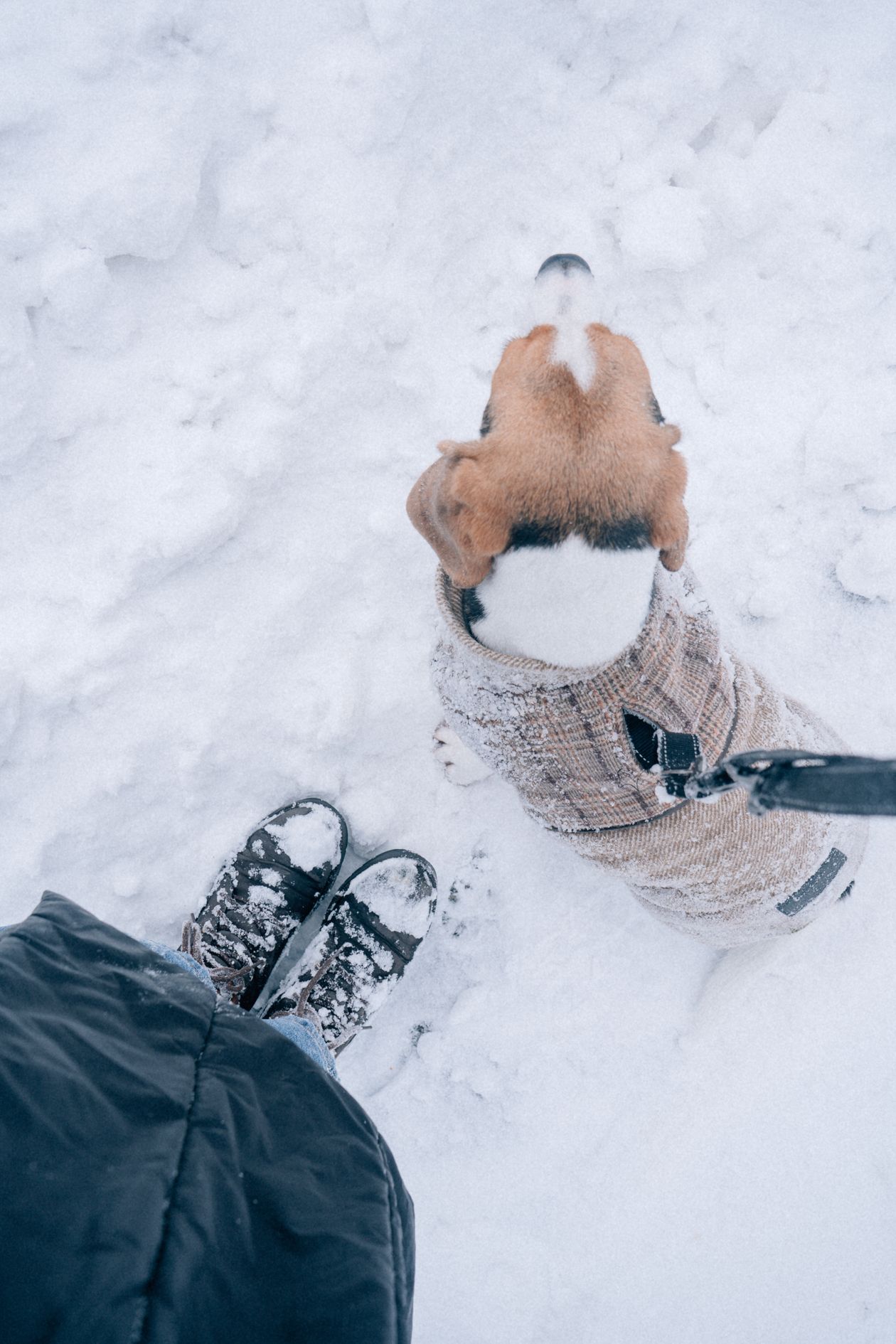
A Simple Winter Paw-Care Routine
Whatever you decide about do dogs need boots in winter, a short routine before and after each walk protects paws all season:
- Before the walk: check the pads for cracks, apply a thin layer of paw balm, and put on boots if you use them.
- During the walk: watch for paw lifting or limping, and clear any snow balls from between the toes.
- After the walk: remove boots, rinse or wipe each paw with lukewarm water, and dry thoroughly between the toes.
- Once a week: trim the fur between the pads and check nail length.
This takes only a few minutes, but it prevents most winter paw problems. If the pads look deeply cracked, swollen, or bleeding, or if your dog keeps limping after walks, contact your veterinarian, because cold-weather injuries can need treatment. A routine like this also makes it easier to judge do dogs need boots in winter for your own dog, since you will notice quickly whether the pads stay healthy without them.
Boots and Coats Work Together
Dogs who need boots in winter often benefit from a coat as well, especially small, short-coated, or senior dogs. Warm paws do not help much if the body is losing heat. If you are deciding on outerwear for rainy autumn days too, our guide on whether dogs need a raincoat walks through which dogs benefit and how to fit one.
A Practical Scenario: A City Dachshund
Picture a six-year-old Dachshund living in a city where sidewalks are heavily salted from December to March. After winter walks, the dog licks its paws for a long time, and the pads look red and cracked. For this dog, the answer to do dogs need boots in winter is clearly yes: snug, flexible boots for walks, paws wiped with warm water afterward, and a paw balm on nights when the pads look dry. On snowy weekend trips to a park with no salt, the same dog may manage fine with just balm.
Shop This Guide
If this gear makes sense for your pet, these links show current options and prices. Check sizing, materials, and reviews before you buy, and ask your vet if your pet has special needs.
As an Amazon Associate, we earn from qualifying purchases at no extra cost to you.
Frequently Asked Questions
Do dogs need boots in winter if they have thick fur?
Thick fur does not protect against salt or chemical burns on the pads, so city dogs can still benefit. On plain snow trails, many thick-coated breeds do well without boots.
How cold is too cold for a dog’s paws?
It depends on breed and conditioning, but most dogs should have shorter walks when temperatures are well below freezing, and you should watch for paw lifting and discomfort.
Can dogs wear boots all day?
No. Use them for walks only, then remove them so paws can breathe and dry.
Are rubber balloon booties a good option?
Thin disposable rubber booties work well for short walks on salted sidewalks and are often easier for dogs to accept than heavier boots.
Is paw balm enough without boots?
For many dogs on short walks, balm plus wiping paws afterward is enough. For long walks on heavily salted roads, boots offer better protection.
Final Thoughts: Do Dogs Need Boots in Winter?
Do dogs need boots in winter? Not every dog does, but boots are a real help for city dogs on salted sidewalks, small and short-coated breeds, seniors, long-haired dogs prone to ice balls, and any dog with sore pads. Choose flexible, well-fitted boots, introduce them gradually, and keep up good paw care with balm, trimmed fur, and a quick wipe after every walk. Healthy paws make winter walks something your dog can enjoy.
Sources & Expert References

About the Author
ThePetGearList Team
ThePetGearList is an independent pet-gear site for dog and cat owners. We put each guide together from manufacturer specifications, veterinary and animal-welfare guidance (such as the AVMA and ASPCA), and patterns in verified owner reviews. We use AI writing tools to help draft guides and review every guide before it goes live. We have not hands-on tested every product we mention, so please check the manufacturer's current sizing and safety instructions before you buy, and ask your vet about health questions. Spotted something out of date? Tell us through the Contact page.