- The Quick Cleaning Schedule
- Why Cleaning Dog Toys Matters
- Factors That Change the Schedule
- How to Clean Each Type of Toy
- Signs a Toy Needs Cleaning Right Now
- What to Avoid When Cleaning
- When to Throw a Toy Away Instead
- Building a Simple Toy-Cleaning Routine
- A Practical Scenario: Two Dogs and a Toy Basket
- Shop This Guide
- Frequently Asked Questions
- Final Thoughts: How Often Should You Clean Dog Toys?
- Free New Pet Owner Checklist
- Everything you need for your dog or cat's first weeks home — get the free printable checklist.
As an Amazon Associate, we earn from qualifying purchases linked in this post.
How often should you clean dog toys? A good rule is to clean hard rubber and plastic toys weekly, wash plush and rope toys every one to two weeks, and clean any toy right away if it is visibly dirty, smelly, used outdoors, or shared with a sick dog. Food-stuffed toys such as puzzle feeders and stuffable rubber toys should be washed after every use, just like a food bowl.
Dog toys spend their lives in mouths, on floors, and sometimes in mud, so they pick up saliva, bacteria, food residue, and dirt quickly. Below is a practical schedule by toy type, how to clean each material safely, the signs a toy needs washing now, and when it is time to throw a toy away instead of cleaning it.
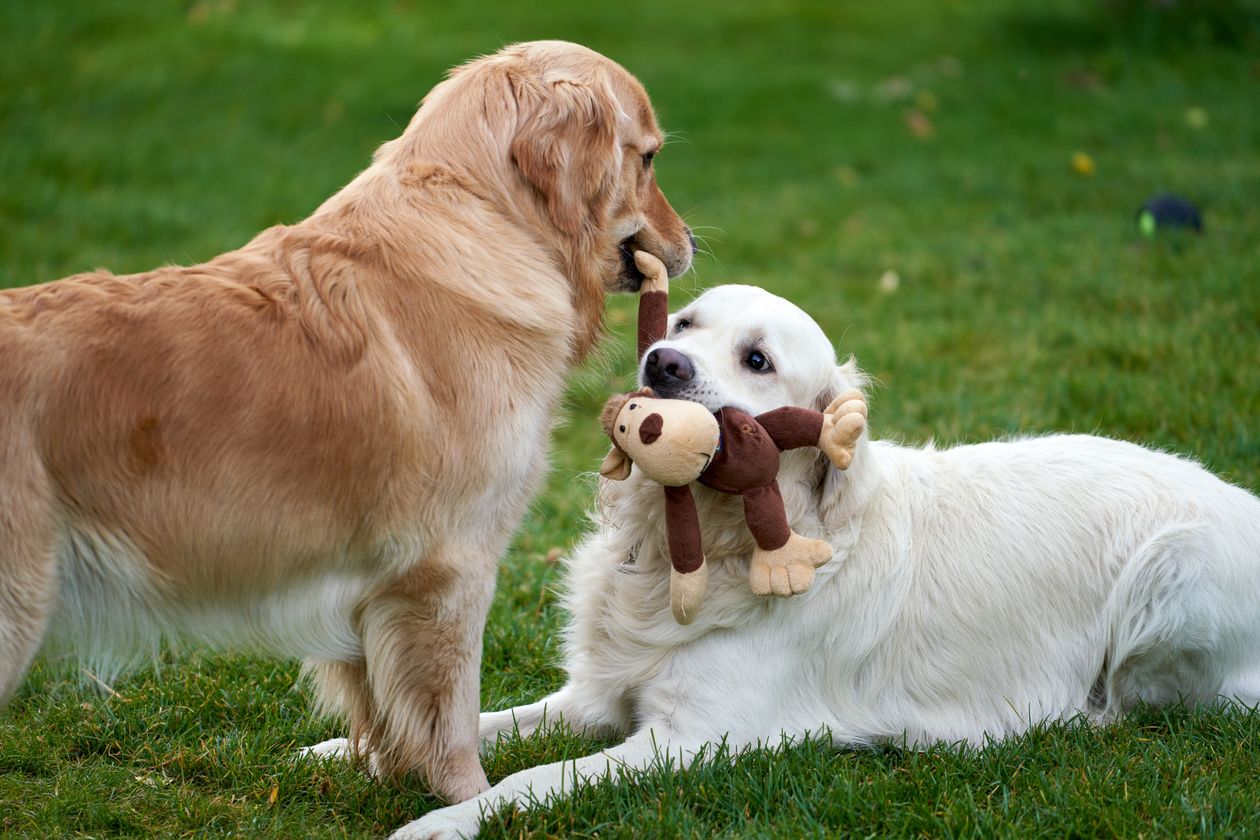
The Quick Cleaning Schedule
Here is a simple way to answer how often should you clean dog toys by type.
| Toy Type | How Often | Best Method |
|---|---|---|
| Food-stuffed rubber toys and puzzle feeders | After every use | Hot soapy water, bottle brush, or dishwasher if labeled safe |
| Hard rubber and nylon chew toys | Weekly | Hot soapy water or top rack of the dishwasher |
| Plush and fabric toys | Every 1–2 weeks | Washing machine in a laundry bag, then dry fully |
| Rope toys | Every 1–2 weeks | Soak, wash, and dry completely, or microwave damp for a minute |
| Tennis balls and outdoor toys | After muddy use, otherwise weekly | Wash in the machine or with soap and water |
Why Cleaning Dog Toys Matters
Every time your dog chews, a layer of saliva coats the toy. Mix that with crumbs, dirt from the floor, and the warmth of your home, and bacteria and mold can grow surprisingly fast, especially inside crevices and rope fibers. Dirty toys can contribute to bad breath, upset stomachs, and in households with several dogs, can help spread illnesses like kennel cough. The ASPCA’s general dog care guidance emphasizes keeping your dog’s environment and belongings clean as part of everyday care.
Toys also come into contact with people, especially children who play with the dog. That gives you another good reason to treat how often should you clean dog toys as part of the household cleaning routine.
Factors That Change the Schedule
The baseline above works for most homes, but adjust how often should you clean dog toys if:
- Your dog is sick: wash all shared toys immediately and again after recovery.
- Multiple dogs share toys: clean more often to reduce the spread of germs.
- Toys go outside: mud, grass, and puddles call for a wash after each outdoor session.
- Your dog drools heavily: breeds like Mastiffs and Saint Bernards coat toys fast.
- Food is involved: any toy that held food or treats needs washing after use.
- Visitors’ dogs played with them: wash shared toys after a playdate.
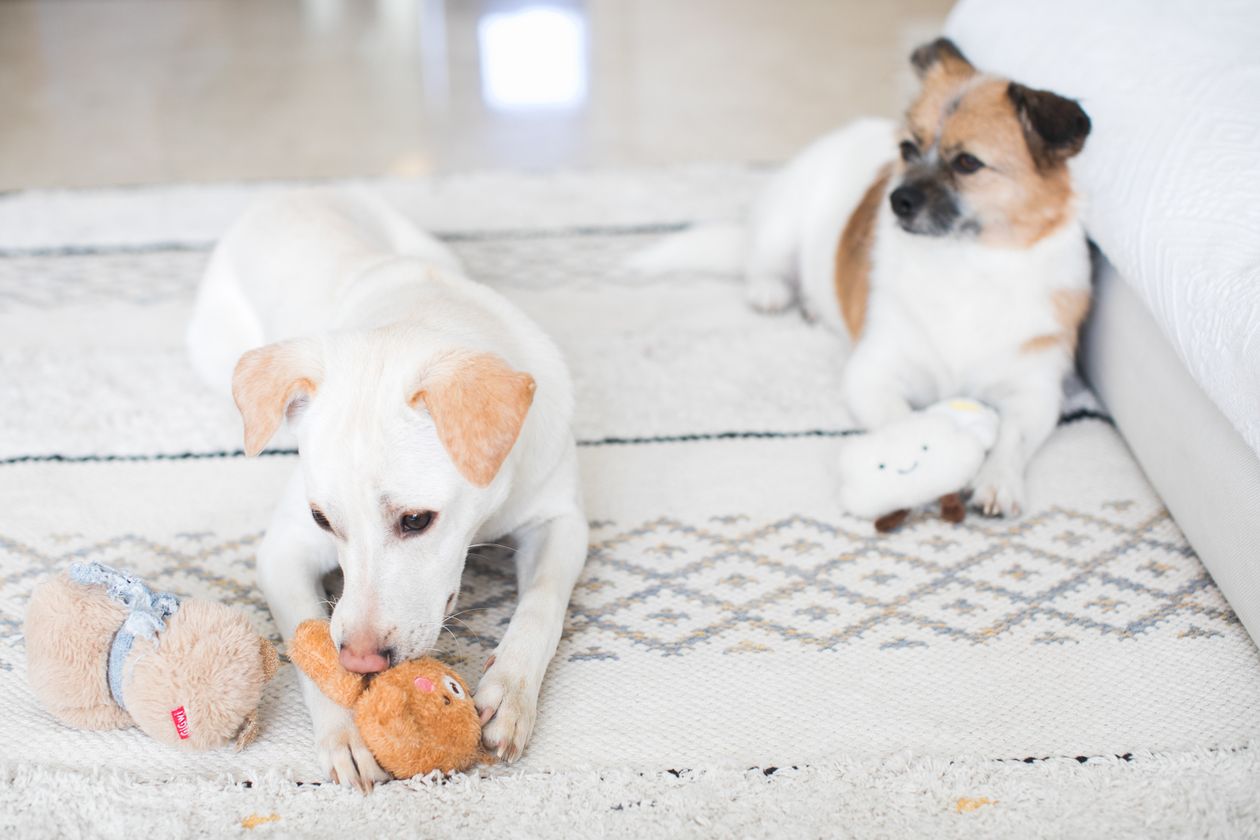
How to Clean Each Type of Toy
Rubber, plastic, and nylon toys
Scrub with hot water and mild, unscented dish soap. Use a bottle brush or old toothbrush to reach inside hollow toys, where peanut butter and kibble residue hide. Many hard rubber toys are top-rack dishwasher safe; check the label first. Rinse thoroughly and let them dry before giving them back.
Plush toys
Put plush toys in a mesh laundry bag and wash on a gentle cycle with pet-safe, fragrance-free detergent. Air-dry or tumble dry on low, and make sure they are completely dry inside to prevent mildew. Remove squeakers first if they are detachable.
Rope toys
Rope fibers trap moisture and bacteria. Soak in warm water with a little detergent, rinse well, and dry thoroughly. Some owners microwave a damp rope toy for about a minute to help sanitize it; let it cool fully before giving it back. Never microwave a dry rope or any toy with metal parts.
Tennis balls
Run them through the washing machine with towels or scrub with soap and water, then let them dry. Replace balls that are bald, cracked, or squashed flat.
Signs a Toy Needs Cleaning Right Now
A schedule is useful, but the toy itself often answers how often should you clean dog toys in your home. Wash it right away if it feels slimy or sticky, smells sour or musty, has visible dirt or food stuck in it, or shows dark spots that could be mold. Rope and plush toys that stay damp for long periods are especially prone to mildew, so give them extra attention in humid weather.
What to Avoid When Cleaning
Skip bleach, strong disinfectants, and scented detergents unless you rinse extremely well. Dogs taste and smell everything, and residues can irritate the mouth and stomach. Avoid essential oil cleaners, some of which can be harmful to pets. A simple mix of hot water and mild soap, or a dilute white vinegar solution, cleans most toys safely.
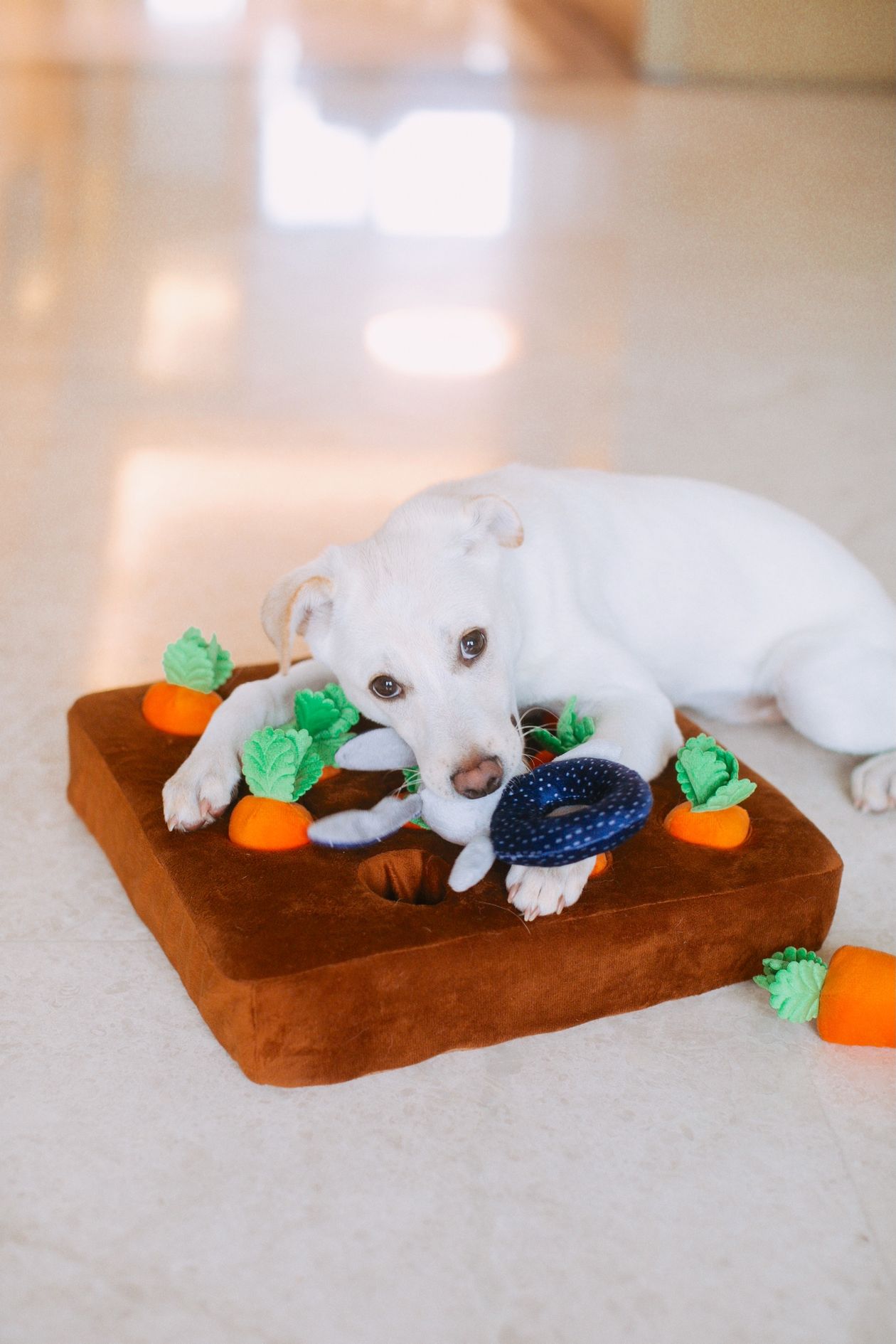
When to Throw a Toy Away Instead
Cleaning cannot save every toy. Throw it away when it is cracked, has pieces missing, has exposed stuffing or squeakers, has frayed rope strands that could be swallowed, or has become small enough to be a choking risk. A toy that still smells after washing also needs to go. Our guide on how often you should replace dog toys explains these warning signs in detail.
Building a Simple Toy-Cleaning Routine
The easiest way to stay on top of how often should you clean dog toys is to pair it with chores you already do. Wash food-stuffed toys with your dinner dishes, run hard toys through the dishwasher on the same night each week, and toss plush toys in with your dog’s bed cover on wash day. If your dog’s bedding is on a weekly schedule, our guide on how often you should wash a dog bed fits neatly alongside this routine.
Rotating toys also makes how often should you clean dog toys much easier to manage. Keep a few toys out and the rest in a closed bin, then swap them every week. Your dog stays interested, and you always have a clean set ready while the others are washed and dried.
A Practical Scenario: Two Dogs and a Toy Basket
Picture a home with two Labradors who share a basket of about a dozen toys, including a stuffable rubber toy, several plush toys, two rope toys, and a pile of tennis balls. For this household, the honest answer to how often should you clean dog toys is: the stuffable toy after every use, the rubber and nylon chews weekly in the dishwasher, the plush and rope toys every week because two dogs share them, and the tennis balls after every muddy trip to the park. When one dog picks up a cough, everything gets washed at once.
Shop This Guide
If this gear makes sense for your pet, these links show current options and prices. Check sizing, materials, and reviews before you buy, and ask your vet if your pet has special needs.
Want our top picks? Read our guide to the best dog chew toys.
As an Amazon Associate, we earn from qualifying purchases at no extra cost to you.
Frequently Asked Questions
How often should you clean dog toys if you only have one dog?
Weekly for hard toys, every one to two weeks for plush and rope toys, and after every use for food-stuffed toys.
Can I put dog toys in the dishwasher?
Many hard rubber and plastic toys are top-rack dishwasher safe. Check the label, and skip the heated dry if the toy could warp.
Is it safe to use vinegar to clean dog toys?
Yes. A mix of equal parts white vinegar and water works well; rinse the toy and let it dry before giving it back.
Should I wash new dog toys before use?
It is a good habit to rinse new toys to remove any dust or residue from manufacturing and packaging.
How do I clean a squeaky toy without ruining the squeaker?
Hand-wash and squeeze out the water carefully, then let the toy dry with the squeaker hole facing down.
Final Thoughts: How Often Should You Clean Dog Toys?
How often should you clean dog toys? Wash food-stuffed toys after every use, hard rubber and plastic toys weekly, plush and rope toys every one to two weeks, and anything right away when it is dirty, used outdoors, or shared with a sick dog. Use hot water and mild soap, avoid harsh chemicals, rotate toys, and replace any that are damaged. Clean toys mean a healthier mouth and a fresher home for your dog.
Sources & Expert References

About the Author
ThePetGearList Team
ThePetGearList is an independent pet-gear site for dog and cat owners. We put each guide together from manufacturer specifications, veterinary and animal-welfare guidance (such as the AVMA and ASPCA), and patterns in verified owner reviews. We use AI writing tools to help draft guides and review every guide before it goes live. We have not hands-on tested every product we mention, so please check the manufacturer's current sizing and safety instructions before you buy, and ask your vet about health questions. Spotted something out of date? Tell us through the Contact page.