- Quick Answer: Which Dogs Need a Coat?
- Temperature Guidelines
- Factors That Affect How Cold Your Dog Feels
- Signs Your Dog Is Cold
- Benefits of a Dog Coat
- How to Choose a Dog Coat
- How to Measure and Fit a Coat
- Helping Your Dog Accept a Coat
- Other Winter Gear to Consider
- When a Coat Is Not Needed
- Breed Examples at a Glance
- Common Mistakes to Avoid
- Shop This Guide
- A Practical Scenario: The Shivering Whippet
- Frequently Asked Questions
- Final Thoughts: Do Dogs Need a Coat in Winter?
- Free New Pet Owner Checklist
- Everything you need for your dog or cat's first weeks home — get the free printable checklist.
As an Amazon Associate, we earn from qualifying purchases linked in this post.
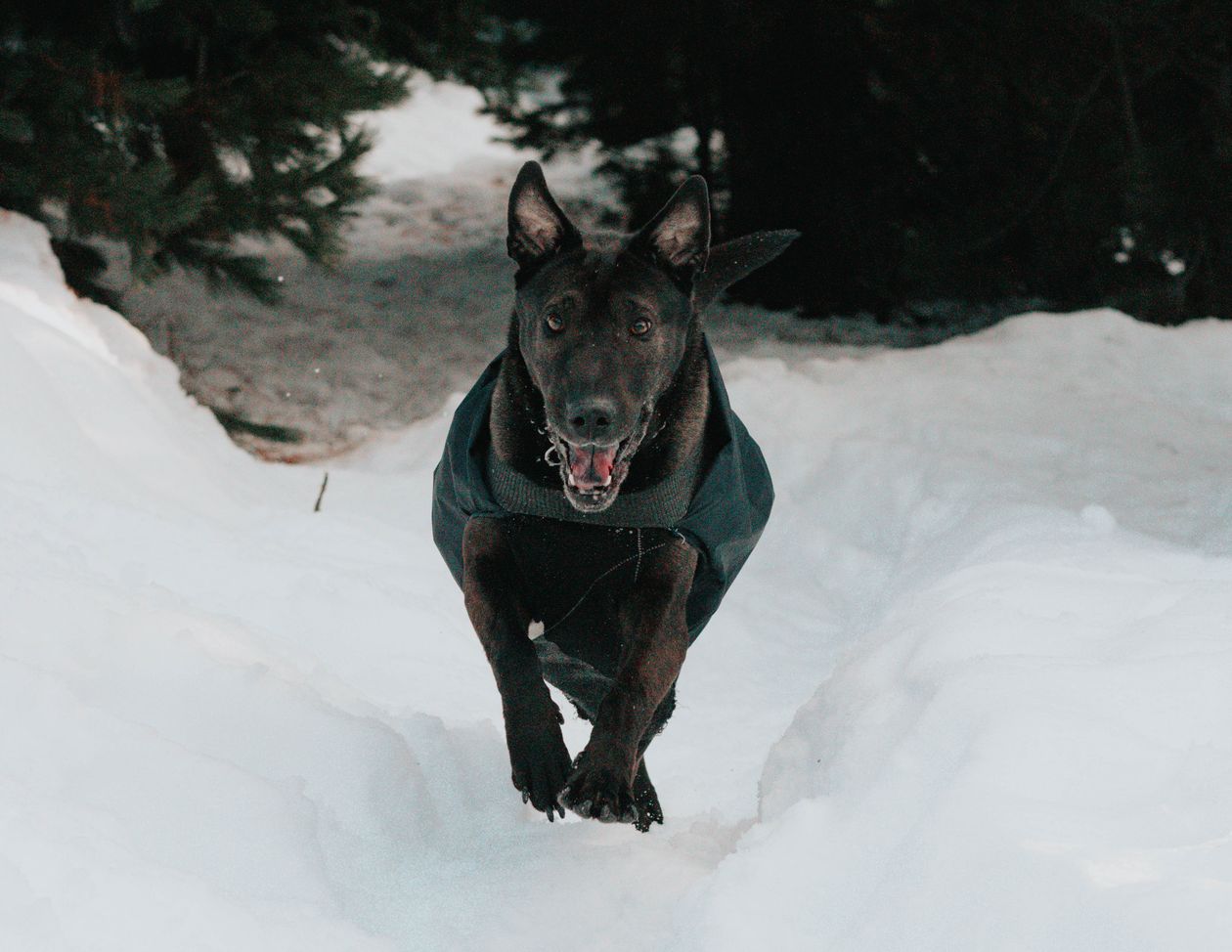
Do dogs need a coat in winter? Some do and some do not. Small dogs, short-haired breeds, lean breeds like greyhounds and whippets, puppies, senior dogs, and dogs with health conditions often benefit from a coat when temperatures drop below about 45°F (7°C). Thick double-coated breeds such as huskies, malamutes, Bernese mountain dogs, and Newfoundlands are built for cold and usually do not need one.
The right answer depends on your dog’s size, coat type, age, body fat, health, and how long you spend outside. Below we explain which dogs need a coat, temperature guidelines, signs your dog is cold, how to choose and fit a coat, and safety tips for winter walks, so you can keep your dog warm and comfortable all season.
Quick Answer: Which Dogs Need a Coat?
This table gives a quick answer to do dogs need a coat in winter for common types of dogs.
| Dog Type | Coat Needed? | Why |
|---|---|---|
| Toy and small breeds (Chihuahua, Yorkie) | Usually yes | Lose body heat quickly |
| Short-haired breeds (Boxer, Pit Bull, Dachshund) | Often yes | Single, thin coat |
| Sighthounds (Greyhound, Whippet) | Yes | Very little body fat and thin coat |
| Puppies and seniors | Often yes | Weaker temperature regulation |
| Double-coated breeds (Husky, Malamute) | Usually no | Built-in insulation |
| Medium dogs with dense coats (Lab, Golden) | Rarely | Only in extreme cold or wet |
Temperature Guidelines
As a general rule, most dogs are comfortable above 45°F (7°C). Between 32°F and 45°F (0°C to 7°C), small, short-haired, young, or older dogs may start to feel cold and benefit from a coat. Below freezing, many more dogs need extra protection, and below 20°F (−7°C), all owners should watch closely for signs of cold stress and keep walks shorter. Wind chill and wet weather make it feel much colder than the thermometer says, so a damp, windy 40°F day can be harder on a small dog than a dry, still 30°F day.
These are guidelines rather than strict rules. The best way to answer do dogs need a coat in winter for your own dog is to combine the temperature with your dog’s individual traits and to watch how they behave outside.
Factors That Affect How Cold Your Dog Feels
- Coat type: double coats insulate far better than single, short coats.
- Size: small dogs have more surface area relative to body mass and lose heat faster.
- Body fat: lean dogs have less insulation.
- Age: puppies and seniors regulate temperature less efficiently.
- Health: dogs with arthritis, hormonal conditions, or heart disease may feel cold more.
- Acclimation: dogs living in cold climates adapt better than those who travel from warm places.
- Grooming: recently clipped dogs lose their natural insulation.
Signs Your Dog Is Cold
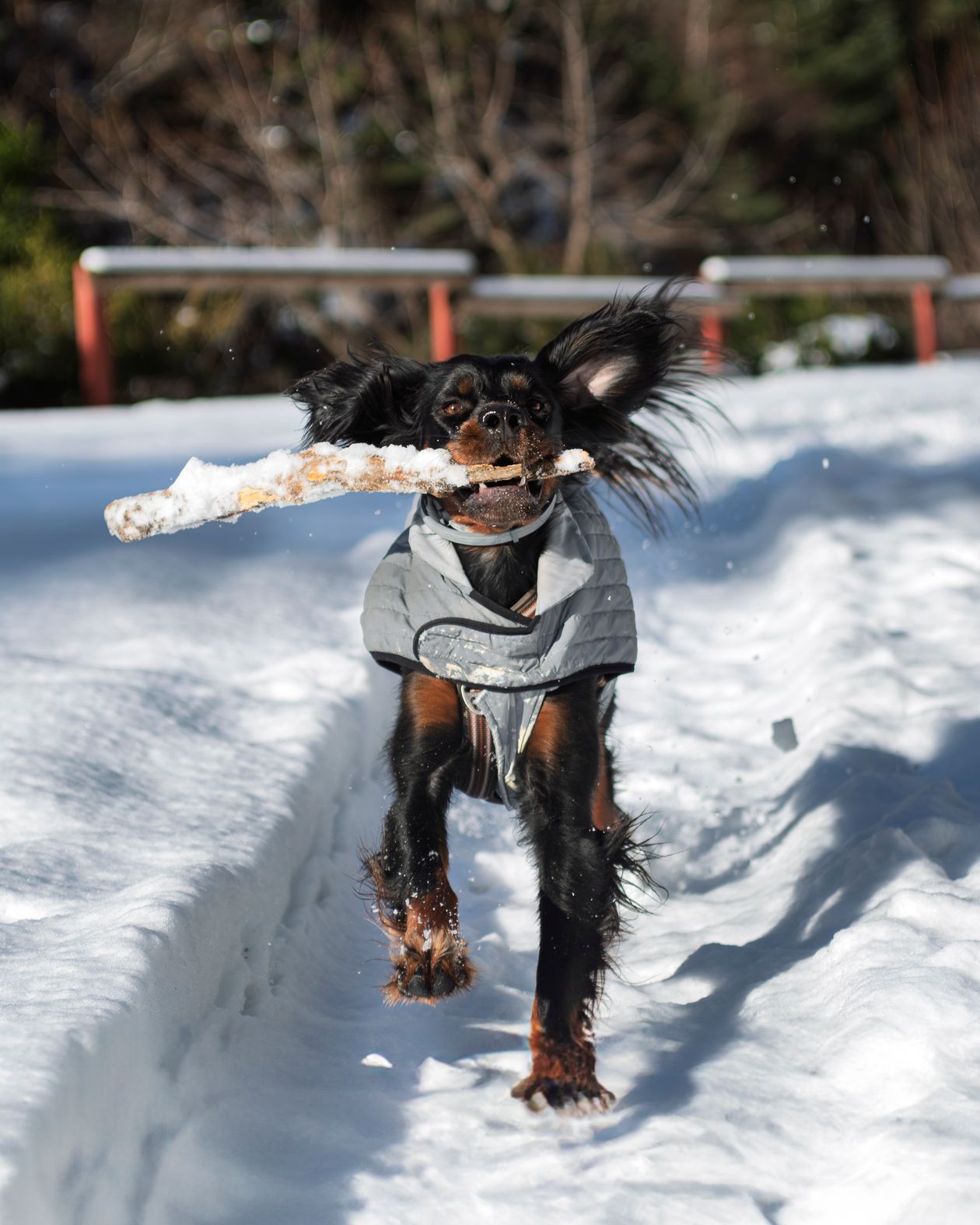
Dogs show cold through their behavior. Watch for shivering, a hunched posture with the tail tucked, lifting paws off the ground, whining, slowing down or refusing to keep walking, seeking shelter, and trying to turn back toward home. If you notice these signs, shorten the walk and warm your dog up indoors. Severe signs such as lethargy, weakness, pale gums, or confusion can point to hypothermia and need prompt veterinary attention. The American Veterinary Medical Association offers further cold weather safety advice for pets.
Benefits of a Dog Coat
A well-fitted coat helps small and short-haired dogs keep their core warm, so they can enjoy longer walks and stay active through winter. Waterproof coats keep dogs dry in sleet and rain, which matters because wet fur loses most of its insulating power. Coats also protect senior dogs with stiff joints, since cold can make arthritis feel worse, and they reduce the amount of snow and mud that clumps on long-haired bellies. For many owners, the improved comfort is enough to settle do dogs need a coat in winter with a confident yes.
How to Choose a Dog Coat
- Warmth level: fleece or insulated lining for cold, dry weather.
- Waterproof shell for rain, sleet, and wet snow.
- Belly coverage for small, low-to-the-ground dogs.
- Reflective trim for dark winter evenings.
- Harness opening so you can clip the leash to a harness underneath.
- Easy fastening with Velcro or buckles rather than many tiny buttons.
- Machine-washable fabric for easy cleaning.
How to Measure and Fit a Coat
Measure your dog’s back length from the base of the neck to the base of the tail, the chest girth at the widest part behind the front legs, and the neck circumference. Compare these numbers with the brand’s size chart, since sizes vary widely. A good fit covers the back and chest without restricting shoulder movement, leaves room to slide two fingers under the straps, and does not rub under the front legs. Check for chafing after the first few walks, and adjust or resize if needed.
Helping Your Dog Accept a Coat
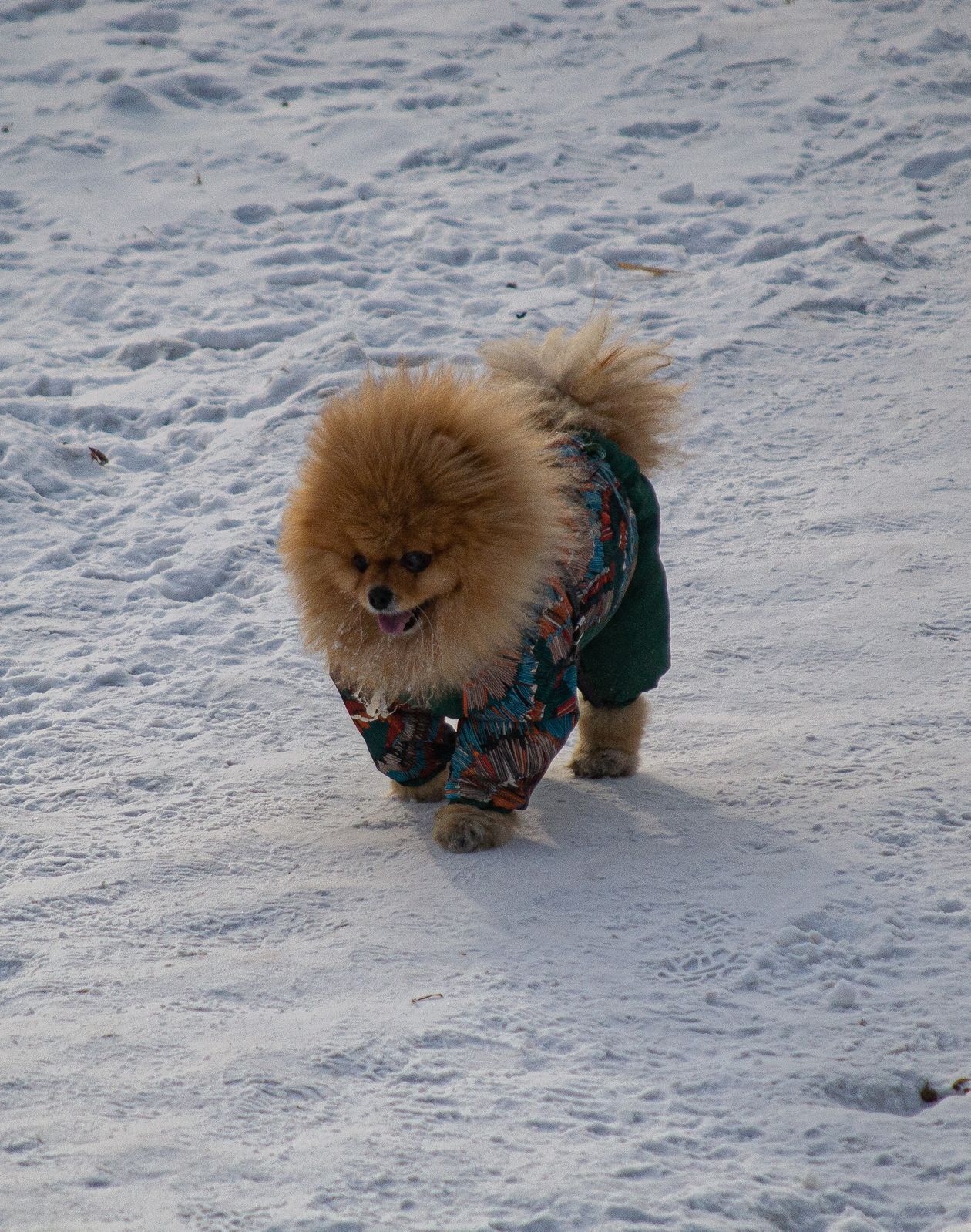
Some dogs accept a coat immediately, while others freeze or walk strangely at first. Introduce the coat indoors with treats, put it on for a few seconds, and gradually increase the time. Pair wearing the coat with something your dog loves, like going for a walk, so they associate it with good things. Most dogs adjust within a week or two. Never leave a coat on unattended for long periods, and remove it indoors so your dog does not overheat.
Other Winter Gear to Consider
A coat keeps the body warm, but paws need protection too. Ice, snow, and road salt can crack paw pads and cause irritation, so consider booties or paw balm and wipe paws after every walk. Our guide on whether dogs need boots in winter covers paw protection in detail, and our post on whether dogs need a raincoat explains wet-weather options. A secure harness and leash also matter on icy paths; see our picks for the best dog leash and harness.
When a Coat Is Not Needed
Thick double-coated breeds can overheat in a coat, and coats can flatten the fur that normally traps warm air. For these dogs, a coat is usually unnecessary except in rare cases like extreme wind chill, illness, or after a close shave. Indoor time matters too: if your dog only steps outside briefly to go potty, a coat may not be worth the effort. Knowing when to skip it is just as important as knowing do dogs need a coat in winter for colder days.
Breed Examples at a Glance
Owners of Chihuahuas, Italian greyhounds, miniature pinschers, French bulldogs, and Chinese cresteds almost always find that the answer to do dogs need a coat in winter is yes, even in fairly mild cold. Owners of Labradors, golden retrievers, and German shepherds usually only reach for a coat in harsh, wet, or windy conditions, or when their dog is elderly. Owners of huskies, Samoyeds, and Saint Bernards rarely need one at all.
Common Mistakes to Avoid
- Choosing a coat that is too tight or rubs under the legs.
- Leaving a wet coat on after the walk.
- Putting coats on double-coated dogs that do not need them.
- Ignoring paws while focusing only on the body.
- Staying out too long just because the dog is wearing a coat.
Shop This Guide
If you decide this gear is right for your pet, these links show current options and prices. Check reviews, sizing, and materials before you buy.
- Waterproof winter dog coats on Amazon →
- Small dog fleece jackets on Amazon →
- Dog coats with harness openings on Amazon →
Want our top picks? Read our guide to the best dog leash and harness.
As an Amazon Associate, we earn from qualifying purchases at no extra cost to you.
A Practical Scenario: The Shivering Whippet
Imagine a family who adopts a whippet in the fall. The first frosty morning, she shivers within minutes and tries to turn back home. They measure her back and chest, buy a fleece-lined coat with a high neck and belly coverage, and add a waterproof shell for wet days. Their walks go from five minutes to half an hour, and she trots happily through the snow. For them, the answer to do dogs need a coat in winter was a clear yes.
Frequently Asked Questions
Do dogs need a coat in winter?
Small, short-haired, lean, young, and senior dogs often do. Thick double-coated breeds usually do not.
At what temperature does a dog need a coat?
Many vulnerable dogs benefit below about 45°F (7°C), and more dogs need one below freezing.
Can a dog wear a coat indoors?
Generally no. Remove the coat indoors so your dog does not overheat.
Is it cruel to put a coat on a dog?
No, a well-fitted coat keeps vulnerable dogs comfortable. Just make sure it fits and your dog is not overheating.
Final Thoughts: Do Dogs Need a Coat in Winter?
Do dogs need a coat in winter? It depends on your dog. Small, short-haired, lean, young, senior, and unwell dogs often benefit from a well-fitted coat in cold, wet, or windy weather, while thick double-coated breeds usually stay warm without one. Watch for signs of cold, choose a coat that fits well, protect paws, and adjust walk length to the weather.
Sources & Expert References

About the Author
ThePetGearList Team
ThePetGearList is an independent pet-gear site for dog and cat owners. We put each guide together from manufacturer specifications, veterinary and animal-welfare guidance (such as the AVMA and ASPCA), and patterns in verified owner reviews. We use AI writing tools to help draft guides and review every guide before it goes live. We have not hands-on tested every product we mention, so please check the manufacturer's current sizing and safety instructions before you buy, and ask your vet about health questions. Spotted something out of date? Tell us through the Contact page.