- Why Jumping Is Hard on Small Dogs
- Which Small Dogs Benefit Most
- Stairs vs Ramps
- How to Choose the Right Pet Stairs
- Training Your Dog to Use the Stairs
- Other Ways to Protect Small Dogs’ Joints
- Where Pet Stairs Help Most at Home
- Signs Your Small Dog Is Struggling to Jump
- Common Mistakes to Avoid
- A Practical Scenario: A Middle-Aged Dachshund
- Shop This Guide
- Frequently Asked Questions
- Final Thoughts: Do Small Dogs Need Pet Stairs?
- Free New Pet Owner Checklist
- Everything you need for your dog or cat's first weeks home — get the free printable checklist.
As an Amazon Associate, we earn from qualifying purchases linked in this post.
Do small dogs need pet stairs? Many do benefit from them, especially long-backed breeds like Dachshunds and Corgis, toy breeds such as Chihuahuas and Yorkies, senior dogs, dogs with arthritis or past injuries, and any small dog that regularly jumps onto high beds or sofas. Repeated jumping up and down from furniture puts strain on joints and spines, and pet stairs or ramps let small dogs reach their favorite spots safely.
Not every small dog needs them. A young, healthy small dog that rarely jumps on furniture, or a home with low sofas and floor beds, may do fine without. Below we explain why jumping can be a problem for small dogs, which dogs benefit most, how stairs compare with ramps, how to choose the right size, and how to train your dog to use them.
Why Jumping Is Hard on Small Dogs
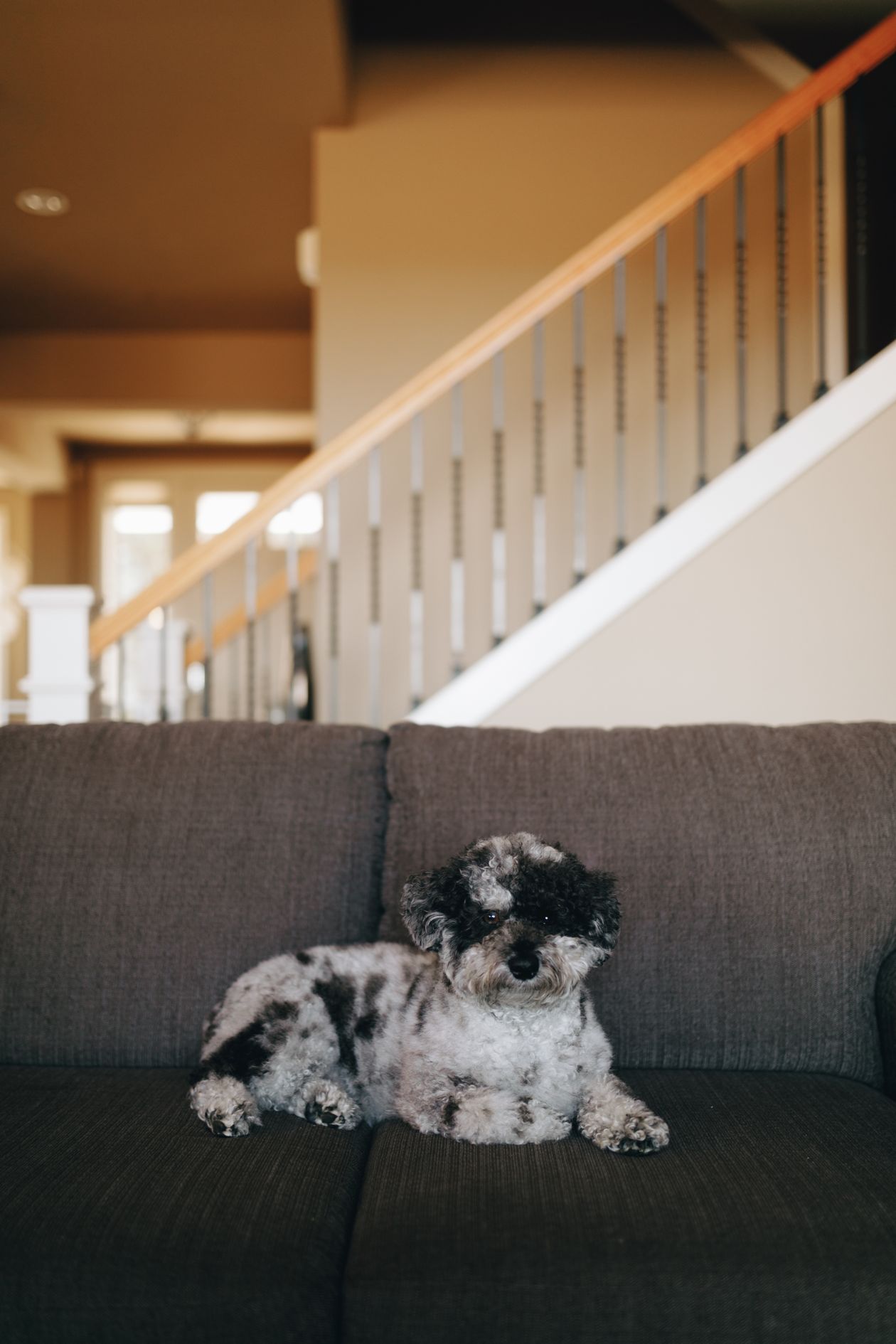
A typical bed or sofa can be several times taller than a small dog’s height at the shoulder. Jumping up takes a burst of effort from the back legs, and jumping down lands the full body weight on the front legs and shoulders. Done dozens of times a day over years, that impact adds up. Long-backed breeds face extra risk because their spines are more vulnerable to disc problems, and toy breeds with delicate bones can fracture legs in an awkward landing. That is the heart of answering do small dogs need pet stairs.
The ASPCA’s general dog care guidance emphasizes adjusting care as dogs age and their needs change. Making the home easier to move around, including access to furniture, is part of that.
Which Small Dogs Benefit Most
| Dog Type | Need for Stairs | Why |
|---|---|---|
| Dachshunds, Corgis, Basset Hounds | High | Long backs prone to disc problems |
| Toy breeds (Chihuahua, Yorkie, Pomeranian) | High | Small, delicate bones and long jumps relative to size |
| Senior small dogs | High | Stiff joints, weaker muscles, reduced balance |
| Dogs with arthritis or luxating patellas | High | Jumping worsens joint pain |
| Dogs recovering from surgery | High (as advised by the vet) | Prevents re-injury |
| Young, healthy small dogs | Moderate | Preventive benefit, especially with high beds |
Stairs vs Ramps
Once you decide do small dogs need pet stairs in your home, you will choose between stairs and a ramp:
- Pet stairs: take up less floor space and feel natural to many dogs. Best for dogs who can still climb steps comfortably.
- Ramps: provide a smooth incline with no stepping, which is easier for dogs with severe arthritis, back problems, or very short legs. They need more floor space to keep the slope gentle.
Many vets prefer ramps for dogs with diagnosed back issues because they avoid even small step-ups. Ask your veterinarian which option suits your dog’s specific condition.
How to Choose the Right Pet Stairs
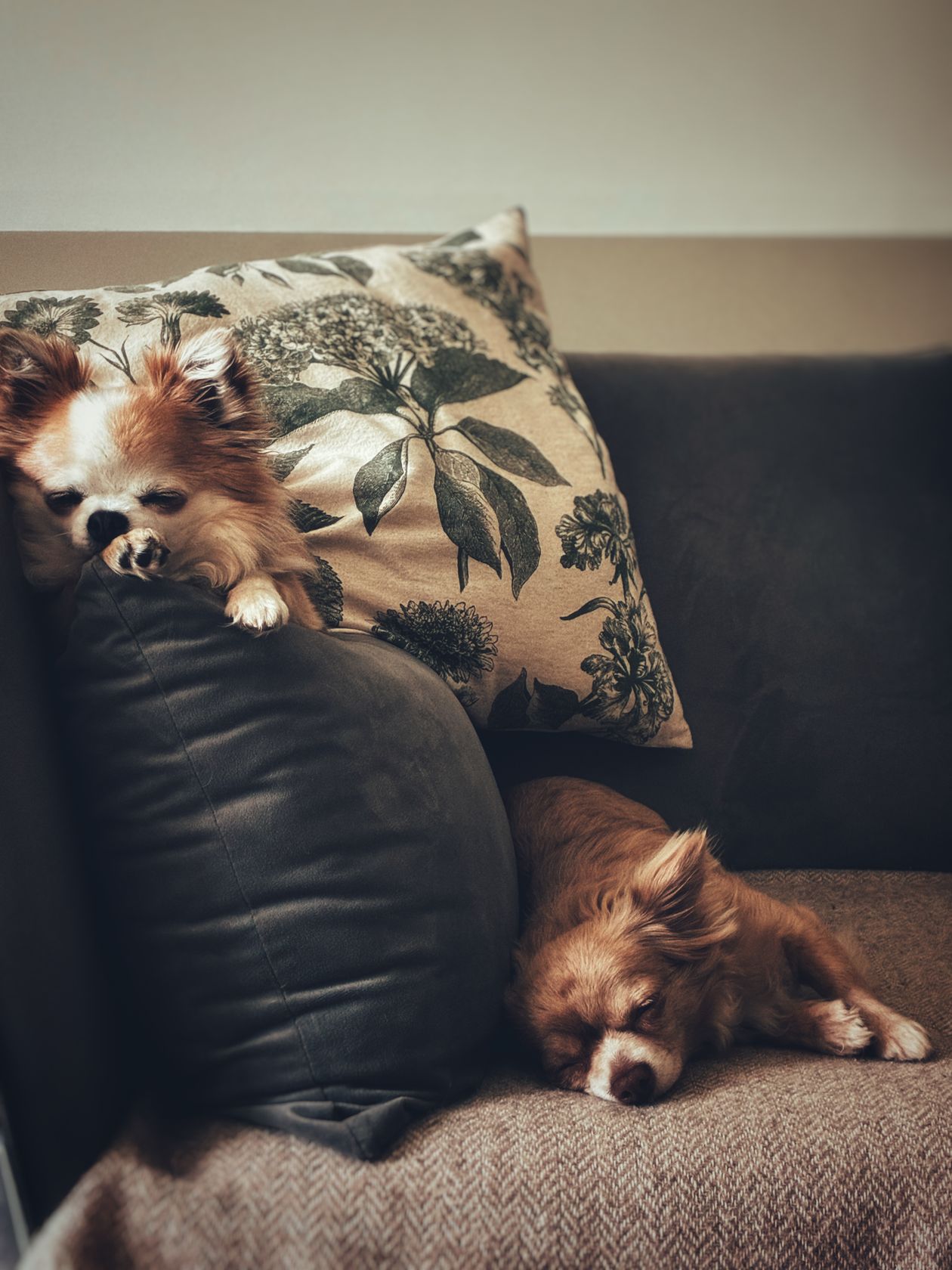
- Height: the top step should be level with or just below the surface your dog wants to reach.
- Step depth and height: shallow, low risers suit short-legged breeds; deep treads let the dog stand with all four paws on each step.
- Non-slip surface: carpeted or rubberized treads prevent slips.
- Stability: a wide base and non-slip feet keep the stairs from shifting.
- Weight rating: comfortably above your dog’s weight.
- Washable cover: makes cleaning fur and dirt easy.
Training Your Dog to Use the Stairs
- Place the stairs firmly against the furniture so they do not move.
- Use treats on each step to lure your dog up slowly, one step at a time.
- Praise calmly when your dog reaches the top.
- Practice going down the same way, since that is the more important direction for joint protection.
- Block the jump by placing the stairs in the usual jumping spot and gently redirecting if your dog tries to leap.
Most dogs learn within a few days to a couple of weeks. Keep sessions short and positive.
Other Ways to Protect Small Dogs’ Joints
Whatever you decide about do small dogs need pet stairs, remember that stairs are one part of joint care. Keep your dog at a healthy weight, since extra pounds put more strain on joints. Use rugs or runners on slippery floors, keep nails trimmed for better traction, and provide a supportive bed. Our roundup of the best dog beds includes orthopedic options for small dogs. If you are also blocking off stairs in your home for safety, our guide on whether you need a dog gate explains where gates work best.
Where Pet Stairs Help Most at Home
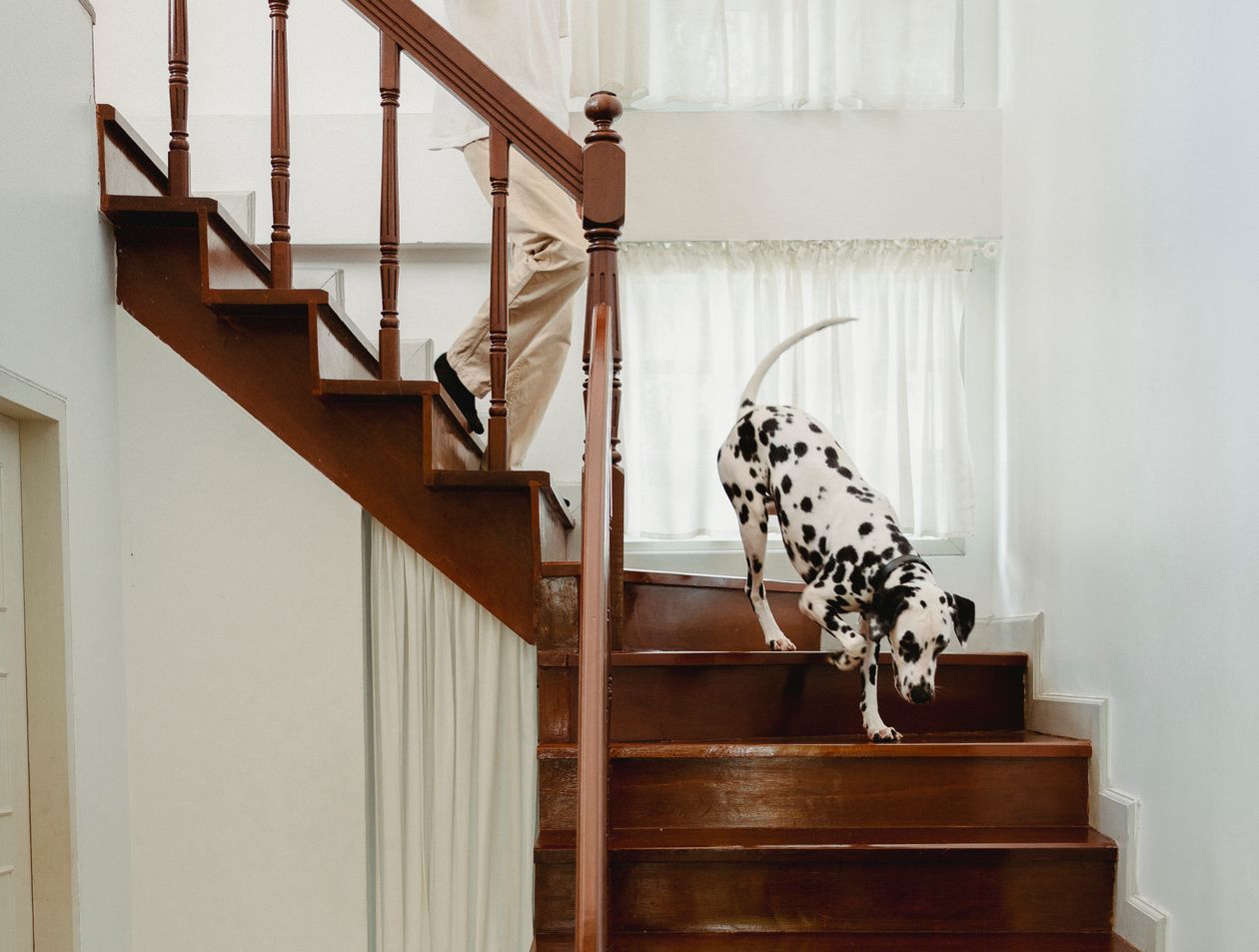
The two most common spots are beside the bed and next to the sofa, since those are where small dogs jump most often. Some owners add a set by a favorite window seat or beside the car door. Measuring each spot before buying is important, because one set rarely fits every height. If budget is limited, start with the place your dog jumps from most, usually the bed at night, when sleepy dogs are less coordinated. For many owners, that single change answers do small dogs need pet stairs with a clear yes.
Signs Your Small Dog Is Struggling to Jump
Your dog’s behavior often answers do small dogs need pet stairs before any vet visit does. Watch for hesitation before jumping, several false starts, scrambling with the back legs, or waiting by the bed to be lifted up. Other clues include stiffness after resting, reluctance to use stairs in the home, a hunched posture, or yelping when picked up. Older dogs may simply stop joining you on the sofa. Any of these suggest jumping has become uncomfortable, and stairs or a ramp could help right away. Sudden weakness, wobbling, or pain should always be checked by a veterinarian promptly, especially in long-backed breeds.
Common Mistakes to Avoid
- Choosing stairs that are too steep or too short
- Placing stairs where they can slide away from the furniture
- Expecting the dog to use them without training
- Waiting until after an injury to introduce them
- Ignoring signs of pain, such as hesitation to jump or a hunched back
A Practical Scenario: A Middle-Aged Dachshund
Picture a seven-year-old Dachshund who leaps off the owner’s tall bed every morning and onto the sofa several times a day. The dog has no symptoms yet, but the breed has a known risk of back problems. For this household, the answer to do small dogs need pet stairs is yes, as prevention: a set of stairs by the bed, a ramp by the sofa, and a few weeks of training. If the dog ever shows back pain, wobbliness, or reluctance to move, an urgent vet visit is the next step.
Shop This Guide
If this gear makes sense for your pet, these links show current options and prices. Check sizing, materials, and reviews before you buy, and ask your vet if your pet has special needs.
As an Amazon Associate, we earn from qualifying purchases at no extra cost to you.
Frequently Asked Questions
Do small dogs need pet stairs if they are young and healthy?
It is not essential, but stairs can reduce long-term wear, especially for long-backed and toy breeds who jump on high furniture often.
Are ramps better than stairs for Dachshunds?
Many vets prefer ramps for dogs with back issues. Ask your vet about your dog’s specific needs.
How tall should pet stairs be?
The top step should be at or just below the height of the furniture your dog wants to reach.
How long does it take to train a dog to use stairs?
Usually a few days to two weeks with treats and short, positive sessions.
Can pet stairs help senior dogs?
Yes. They let older dogs keep their favorite resting spots without painful jumps.
Can I build my own pet stairs?
Yes, if they are sturdy, non-slip, and sized correctly. Many owners use foam steps or a secured storage step covered with carpet.
Final Thoughts: Do Small Dogs Need Pet Stairs?
Do small dogs need pet stairs? Long-backed breeds, toy breeds, seniors, and dogs with joint or back problems benefit the most, and even healthy small dogs gain long-term protection if they jump on high furniture often. Choose stable, non-slip stairs or a gentle ramp sized to your furniture, train your dog with treats, and combine it with good weight control and supportive bedding. It is a small change that can protect your dog’s joints for years.
Sources & Expert References

About the Author
ThePetGearList Team
ThePetGearList is an independent pet-gear site for dog and cat owners. We put each guide together from manufacturer specifications, veterinary and animal-welfare guidance (such as the AVMA and ASPCA), and patterns in verified owner reviews. We use AI writing tools to help draft guides and review every guide before it goes live. We have not hands-on tested every product we mention, so please check the manufacturer's current sizing and safety instructions before you buy, and ask your vet about health questions. Spotted something out of date? Tell us through the Contact page.