- Quick Answer: Who Benefits Most
- Why Regular Vacuums Struggle With Pet Hair
- Key Features to Look For
- Types of Pet Hair Vacuums
- Bagged vs. Bagless for Allergies
- How Often to Vacuum With Pets
- Reduce Shedding at the Source
- Other Tools That Help
- Budget and Value
- Maintenance Tips
- Signs Your Current Vacuum Is Not Coping
- Hard Floors vs. Carpet
- Common Mistakes to Avoid
- Shop This Guide
- A Practical Scenario: The Golden Retriever Home
- Frequently Asked Questions
- Final Thoughts: Do You Need a Pet Hair Vacuum?
- Free New Pet Owner Checklist
- Everything you need for your dog or cat's first weeks home — get the free printable checklist.
As an Amazon Associate, we earn from qualifying purchases linked in this post.
Do you need a pet hair vacuum? If you have a dog or cat that sheds moderately or heavily, carpets or upholstered furniture, or anyone in the home with allergies, a vacuum designed for pet hair is usually worth it. These vacuums have stronger suction, tangle-resistant brush rolls, specialized tools for upholstery, and better filtration. If you have a low-shedding pet and mostly hard floors, a good standard vacuum may be enough.
Pet hair is stubborn: it weaves into carpet fibers, clings to fabric with static, and wraps around ordinary brush rolls until they stop spinning. Below we explain when a pet hair vacuum makes a real difference, the features that matter most, vacuum types, how often to vacuum, and other tools that help control shedding, so you can decide whether to upgrade.
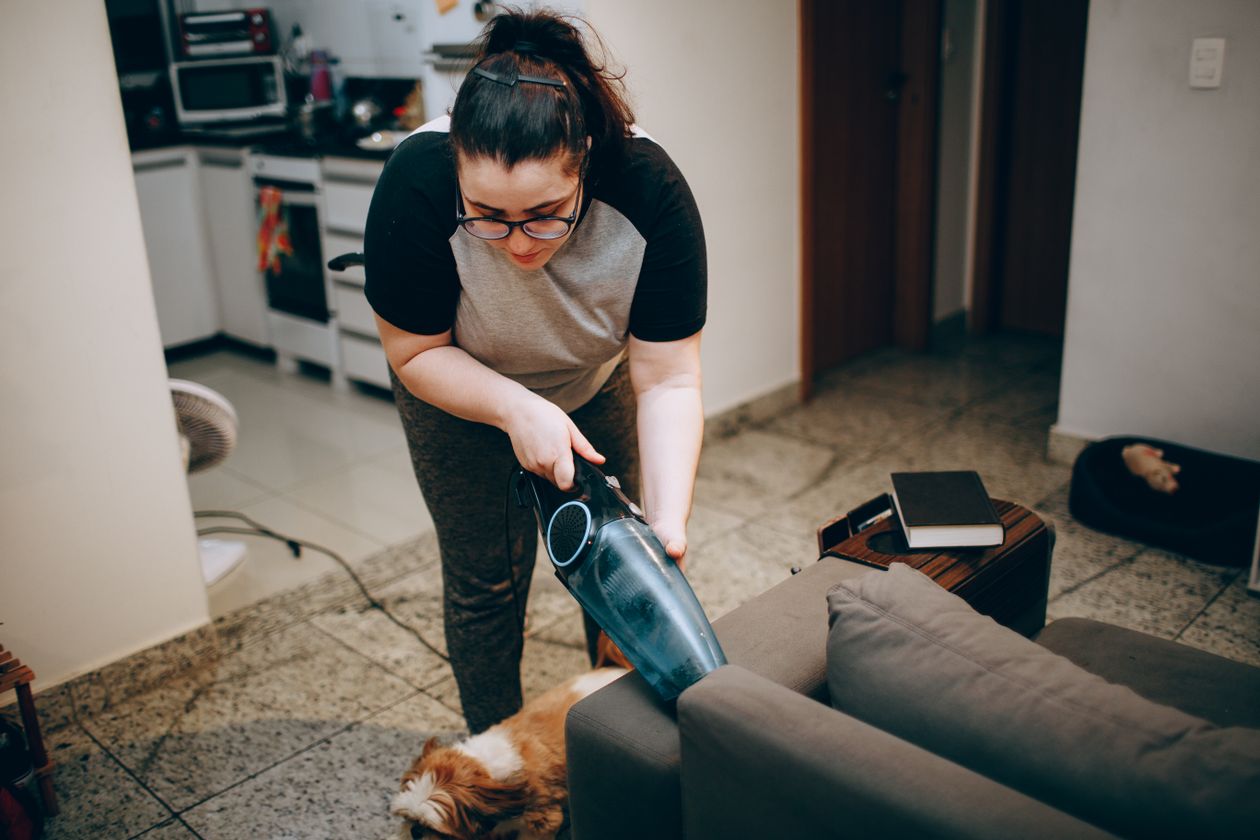
Quick Answer: Who Benefits Most
This table gives a quick answer to do you need a pet hair vacuum in common households.
| Household | Pet Hair Vacuum Worth It? | Why |
|---|---|---|
| Heavy shedder (Husky, Lab, Persian cat) | Yes | Large daily volume of hair |
| Multiple pets | Yes | Hair builds up quickly |
| Carpet and rugs | Yes | Hair embeds in fibers |
| Allergy sufferers at home | Yes | Sealed HEPA filtration helps |
| Low-shedding pet, hard floors | Optional | Standard vacuum or broom may suffice |
Why Regular Vacuums Struggle With Pet Hair
Standard vacuums often have bristle brush rolls that let long hair wrap tightly around them, reducing suction and requiring frequent cutting with scissors. Their attachments may not be designed to lift hair from fabric, and their filters may let fine dander escape back into the air. Pet hair vacuums address these problems with rubber or anti-tangle brush rolls, motorized mini tools for furniture and stairs, larger bins, and sealed filtration. These design differences are the core of the answer to do you need a pet hair vacuum.
Key Features to Look For
- Strong suction that stays consistent as the bin fills.
- Tangle-resistant brush roll with combs or rubber fins.
- Motorized pet tool for sofas, beds, stairs, and car seats.
- Sealed HEPA filtration to trap dander and allergens.
- Large, easy-empty bin or bags for allergy households.
- Brush roll on/off control to protect delicate rugs and hard floors.
- Manageable weight so you will actually use it often.
Types of Pet Hair Vacuums
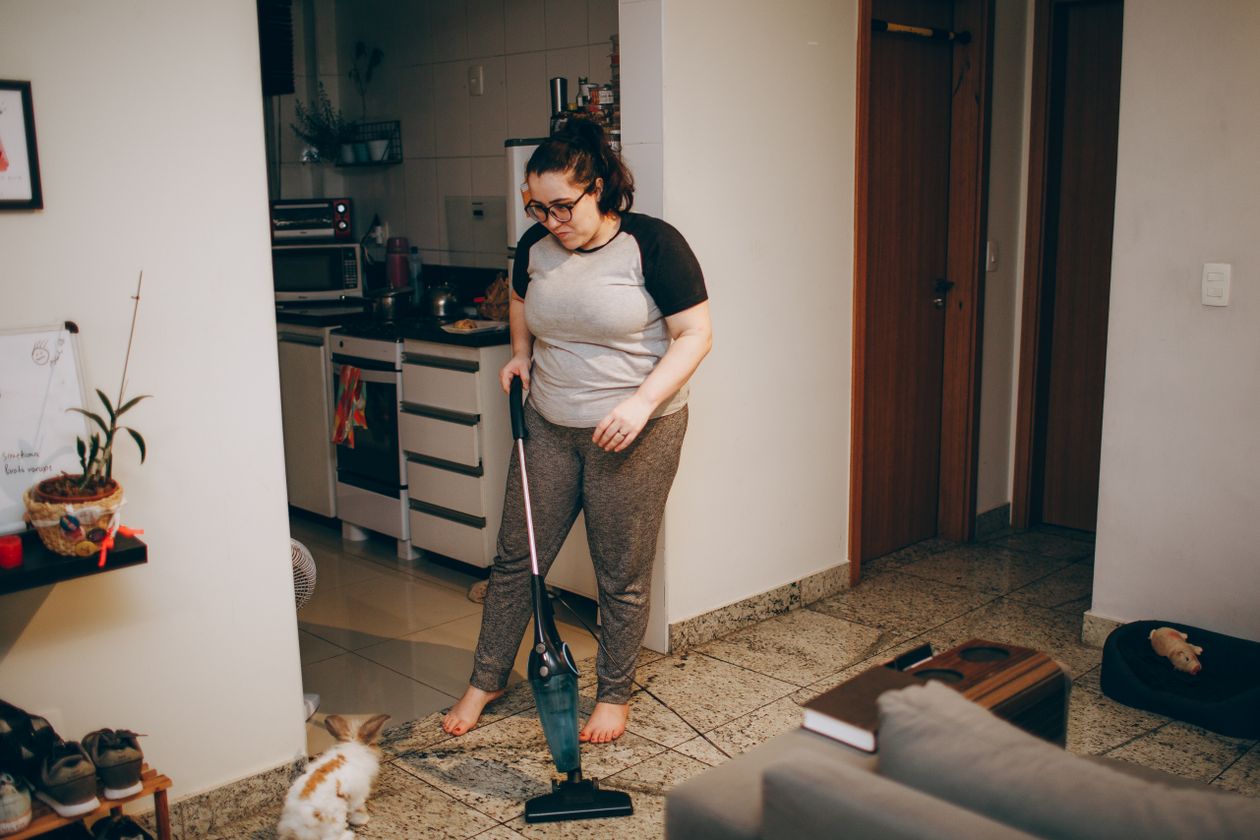
Each type suits different homes. Upright vacuums offer strong suction and wide cleaning paths for carpeted homes. Canister vacuums are flexible on stairs and under furniture. Cordless stick vacuums are lightweight and quick for daily touch-ups, though battery life and bin size are limited. Handheld vacuums are perfect for furniture and cars. Robot vacuums handle daily maintenance automatically, picking up hair before it builds up, but they still need a deeper clean with another vacuum.
| Type | Best For | Pros | Cons |
|---|---|---|---|
| Upright | Carpeted homes | Powerful, large capacity | Heavy, bulky |
| Canister | Stairs, mixed floors | Flexible, quiet | Awkward to store |
| Cordless stick | Daily touch-ups | Light, convenient | Limited runtime, small bin |
| Handheld | Furniture, cars | Portable | Not for whole floors |
| Robot | Daily maintenance | Automatic | Needs deep cleans too |
Bagged vs. Bagless for Allergies
Bagless vacuums save money on bags, but emptying the bin can release dust and dander into the air. Bagged vacuums with sealed systems trap allergens inside the bag, which is better for allergy sufferers. The Asthma and Allergy Foundation of America recommends regular vacuuming with a HEPA-filtered vacuum as part of managing pet allergies. If allergies are a concern in your home, they are often the deciding factor in do you need a pet hair vacuum.
How Often to Vacuum With Pets
For heavy shedders, vacuum high-traffic areas daily or every other day, and do a thorough whole-home clean weekly. For light shedders, two or three times a week is usually enough. During seasonal shedding in spring and fall, you may need to vacuum more often. Vacuum pet beds, sofas, and car seats weekly as well. A cordless stick or robot vacuum makes frequent cleaning far easier.
Reduce Shedding at the Source
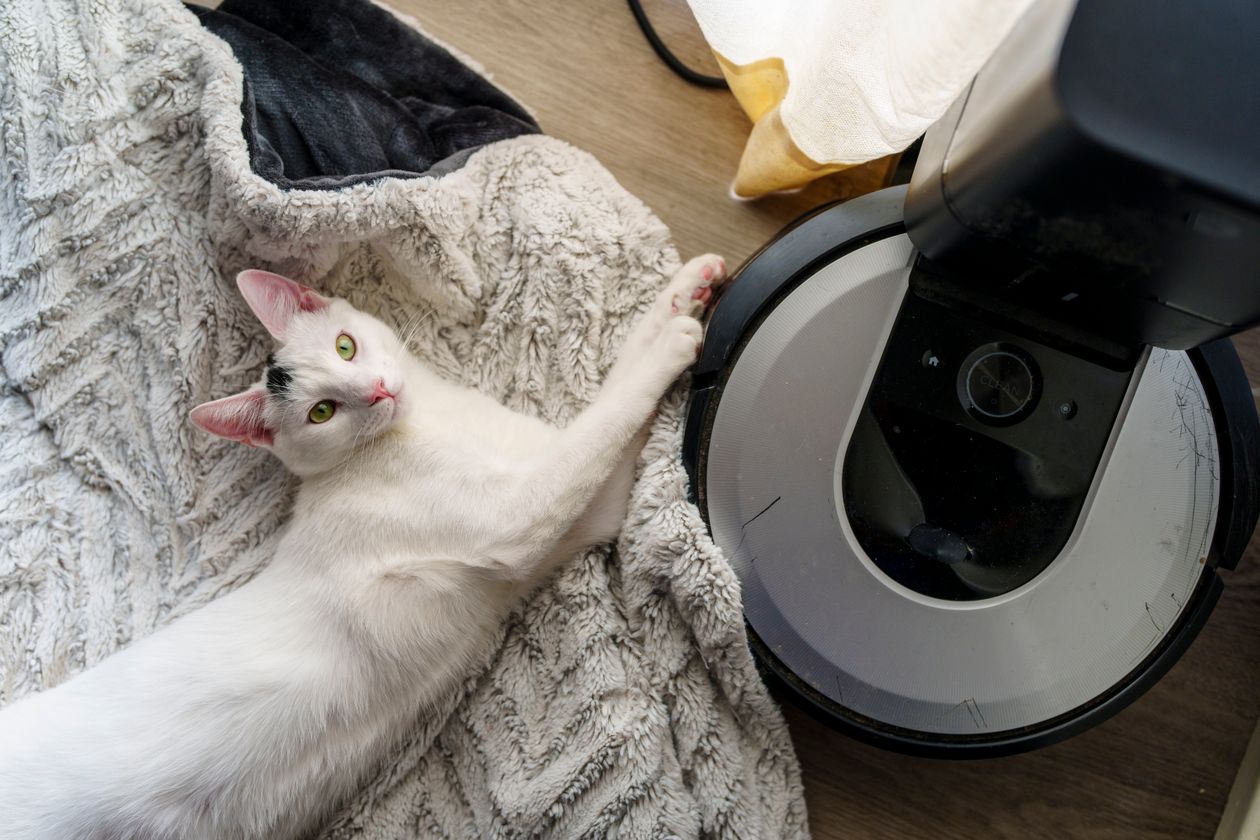
The best vacuum works even better when there is less hair to collect. Brush your pet regularly with the right tool for their coat, ideally outdoors or on an easy-clean surface. See our guide on how often to brush your cat and our picks for the best pet grooming brushes. A balanced diet with omega fatty acids supports healthy skin and coat, and sudden heavy shedding or bald patches can signal a health issue worth checking with your vet.
Other Tools That Help
- Rubber brooms and squeegees pull hair from carpets and rugs.
- Lint rollers and rubber gloves for clothes and furniture.
- Washable throws on sofas and beds.
- Air purifiers with HEPA filters to capture airborne dander.
- Regular washing of pet bedding and blankets.
Budget and Value
Pet hair vacuums range from affordable handhelds to premium uprights and cordless models. You do not need the most expensive option to see a difference; focus on suction, a tangle-resistant brush roll, and filtration. If you have heavy shedders and carpets, investing in a solid mid-range or premium model pays off in time saved and cleaner air.
If your pet sheds lightly, a handheld pet tool plus your existing vacuum may be enough. Thinking about how much hair you deal with is the practical way to answer do you need a pet hair vacuum at a price that fits.
Maintenance Tips
Empty the bin or change the bag before it is full, since suction drops as it fills. Clean or replace filters on schedule, and check the brush roll for wrapped hair every week or two, even on tangle-resistant models. Wipe attachments and empty the dust cup outdoors if allergies are a concern. A well-maintained vacuum lasts longer and keeps its suction strong, which matters most in homes with heavy shedders.
Signs Your Current Vacuum Is Not Coping
If hair remains visible on carpets right after vacuuming, the brush roll constantly jams with hair, the vacuum smells or loses suction quickly, or you spend more time cutting hair off the roller than cleaning, your current vacuum is not up to the job. These frustrations usually mean the answer to do you need a pet hair vacuum is yes for your home.
Hard Floors vs. Carpet
On hard floors, pet hair tends to drift into corners and under furniture, where a vacuum with good edge cleaning and a soft roller works best. Some people use a microfiber mop or dust mop between vacuuming sessions. On carpet, hair embeds deep in the pile, so strong suction and an agitating brush roll matter far more.
Homes with a mix of both benefit from a vacuum with adjustable height and a brush roll you can switch off. Your flooring is one of the most practical factors in deciding which machine to buy and how often to use it.
Common Mistakes to Avoid
- Waiting until hair builds up before vacuuming.
- Ignoring the brush roll and filters.
- Using a bagless vacuum without HEPA in allergy homes.
- Skipping furniture and pet beds.
- Relying on vacuuming alone without brushing your pet.
Shop This Guide
If you decide this gear is right for your pet, these links show current options and prices. Check reviews, sizing, and materials before you buy.
Want our top picks? Read our guide to the best pet grooming brush.
As an Amazon Associate, we earn from qualifying purchases at no extra cost to you.
A Practical Scenario: The Golden Retriever Home
Imagine a family with a golden retriever, two cats, and wall-to-wall carpet. Their old vacuum jams with hair every week, and tumbleweeds of fur collect in the corners. They buy an upright pet vacuum with a tangle-resistant brush roll and a sealed HEPA filter, plus a cordless stick for quick daily touch-ups. Their weekly cleaning time drops, and the allergic grandparent who visits notices fewer symptoms. For them, the answer to do you need a pet hair vacuum was definitely yes.
Frequently Asked Questions
Do you need a pet hair vacuum?
If you have shedding pets, carpets, or allergies, a pet hair vacuum is usually worth it.
What makes a vacuum good for pet hair?
Strong suction, a tangle-resistant brush roll, a motorized pet tool, and HEPA filtration.
Are robot vacuums good for pet hair?
They are great for daily maintenance but still need regular deep cleaning with another vacuum.
Is bagged or bagless better for pet allergies?
Sealed bagged vacuums usually release fewer allergens when emptied.
Final Thoughts: Do You Need a Pet Hair Vacuum?
Do you need a pet hair vacuum? For homes with shedding pets, carpets, upholstered furniture, or allergies, a vacuum designed for pet hair saves time and keeps your home cleaner and healthier. Prioritize suction, a tangle-resistant brush roll, a good pet tool, and sealed HEPA filtration, vacuum often, and brush your pet regularly to reduce shedding at the source.
Sources & Expert References

About the Author
ThePetGearList Team
ThePetGearList is an independent pet-gear site for dog and cat owners. We put each guide together from manufacturer specifications, veterinary and animal-welfare guidance (such as the AVMA and ASPCA), and patterns in verified owner reviews. We use AI writing tools to help draft guides and review every guide before it goes live. We have not hands-on tested every product we mention, so please check the manufacturer's current sizing and safety instructions before you buy, and ask your vet about health questions. Spotted something out of date? Tell us through the Contact page.